

Trump’s prediction that Cuba’s communist government will “fall pretty soon” is the clearest sign yet that America’s post-Biden foreign policy has shifted from accommodation to pressure—and Havana may not have the cash or fuel to withstand it.
Quick Take
- President Trump says Cuba’s government is nearing collapse after Venezuela’s oil lifeline was cut, and he credits U.S. regional pressure for the shift.
- The White House has already escalated policy with a national emergency declaration tied to Cuba’s alleged threats and new penalties aimed at oil supply networks.
- Secretary of State Marco Rubio is leading talks with Cuban representatives, signaling a negotiated off-ramp is being explored alongside coercive leverage.
- Cuba’s internal economic and migration pressures remain severe, but public evidence of an imminent regime fall is still limited.
Trump’s “Pretty Soon” Prediction—and What It’s Based On
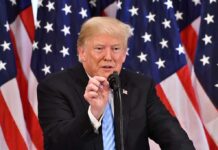
President Donald Trump said in a March 5 interview that Cuba’s communist government is likely to fall soon, tying that forecast to U.S. actions that disrupted Havana’s external support system. Trump linking Cuba’s vulnerability to the loss of Venezuelan oil after Nicolás Maduro was captured, starving Cuba’s economy of a critical subsidy. Trump also said the U.S. is talking with Cuba and suggested the situation may be resolved without military intervention.
Those remarks fit a broader timeline that began earlier this year, when Trump publicly argued Cuba looked “ready to fall” without Venezuelan oil income. The key factual point is not that Cuba has already collapsed—it hasn’t—but that the administration is presenting a cause-and-effect chain: Maduro’s removal reduces subsidized energy flows, Cuba’s economy strains further, and the regime’s room to maneuver narrows. Havana has not publicly detailed how it plans to replace that missing support.
Why Venezuelan Oil Matters to Havana’s Survival
Cuba’s modern economic model has depended heavily on external lifelines, and Venezuelan oil has been central for decades. The alliance intensified under Chávez and Maduro, with Cuba receiving subsidized barrels—often cited as reaching up to 100,000 per day in the partnership’s high-water periods—in exchange for medical services and security assistance. When energy imports shrink, the pain shows up fast in electricity generation, transportation, and basic supply chains, compounding scarcity and public frustration.
Maduro capture operation killed Cuban officers and halted oil flows, increasing economic pressure on Havana. The available sources in this dataset do not provide independently quoted third-party verification of operational details or precise energy volumes today, so readers should treat the “imminent fall” narrative as an administration forecast, not a confirmed outcome. What is clear is that the U.S. is publicly framing Cuba’s crisis as intensified by the collapse of its regional sponsors.
National Emergency Order Signals a Harder Federal Posture
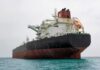
Policy-wise, the White House moved beyond rhetoric with a January 30 executive order declaring a national emergency related to threats posed by the government of Cuba. The order’s practical impact includes tariffs and penalties aimed at countries and networks that provide oil to Cuba. That matters because energy is not just an economic issue for Havana; it is regime stability. Cutting access to fuel can restrict the state’s ability to operate, to police, and to keep daily life functioning.
For conservatives who watched years of globalist “engagement” deliver little except leverage for adversaries, the legal posture here is the story: the administration is using formal executive authority and economic tools to isolate a hostile regime rather than normalize it. At the same time, a national emergency declaration is a significant instrument, and the public still lacks granular detail about enforcement priorities and how broadly penalties could apply across international shipping and energy markets.
Rubio-Led Talks Hint at Negotiation, Not an Invasion
Trump’s comments also emphasized talks with Havana led by Secretary of State Marco Rubio, framing the possibility of a negotiated transition rather than direct military action. Trump floating the idea of a “friendly takeover” and stating, “They need help. We are talking to Cuba.” That diplomatic channel is crucial context because it suggests the administration wants leverage to produce concessions—potentially on political prisoners, migration, or security ties—without repeating the open-ended interventions Americans are tired of funding.
Still, the imbalance of available perspectives: the Cuban government has not offered a public response in these sources, and there are no quoted independent experts assessing the likelihood of near-term collapse. That limits what can be responsibly concluded. What can be said is that Washington is combining pressure (energy and economic constraints) with a negotiation track, and Rubio’s involvement signals the U.S. is taking Cuba’s record on repression and regional alignment seriously.
What to Watch Next: Migration Pressure and Regime Resilience
Cuba’s internal situation—shortages, repression concerns, and migration surges—makes the island a persistent issue for U.S. border and homeland security debates. A destabilized Cuba can push more people onto dangerous routes, including maritime crossings and onward movement through Latin America. The past protests and human rights abuses, suggesting the regime has historically responded to dissent with force. That track record is a reminder that even if Cuba is economically weaker, it may still attempt to hold power tightly.
Trump says Cuba’s government will ‘fall pretty soon’ – President Donald Trump said Friday that “Cuba is gonna fall pretty soon” in a renewed threat to the communist-ruled island already facing a US energy blockade. Via: https://t.co/yiCqYrAjzV #Cuba #DonaldTrump #Opinion #USNews…
— Planet Today (@PlanetTodayNews) March 6, 2026
Trump’s forecast may prove accurate, but the public evidence in these sources supports a narrower, factual conclusion: the administration believes external support for Havana has been degraded, and it is using executive authority and economic leverage while keeping diplomatic lines open. If Cuba’s leadership refuses meaningful concessions, the pressure campaign could intensify; if talks produce a deal, it could reshape the hemisphere without U.S. troops. Either way, the next indicators will be energy availability, public unrest, and any verified terms emerging from Rubio’s talks.
Sources:
Trump Predicts Cuban Regime Will Fall Amid Ongoing U.S. Pressure
Addressing Threats to the United States by the Government of Cuba