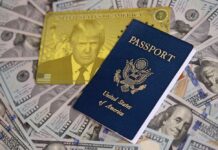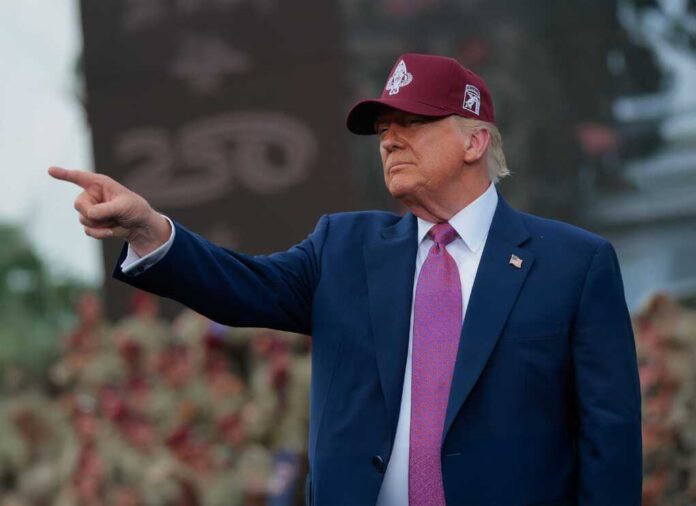
President Trump’s new expedited “FIFA Pass” visa system promises to welcome millions of World Cup fans—while keeping security uncompromised and American sovereignty front and center.
Story Snapshot
- Trump administration launches “FIFA Priority Appointment Scheduling System” for 2026 World Cup ticket holders.
- Expedited interviews offer faster access for international fans, but standard security vetting remains in place.
- System aims to boost local economies and American hospitality without sacrificing border integrity.
- No guarantee of visa approval; critics and supporters alike watch for impacts on broader immigration policy.
Trump’s “FIFA Pass” System: Efficiency Without Compromising Security
On November 17, 2025, President Trump announced an unprecedented move: the “FIFA Priority Appointment Scheduling System,” designed to streamline visa interview appointments for millions of international fans holding tickets to the 2026 FIFA World Cup. This initiative responds to growing concern over historically long visa wait times that threatened to keep fans from one of the world’s largest sporting events. The policy does not guarantee a visa, but ensures faster access to appointments—balancing a warm welcome with strict security standards.
Unlike rushed or reckless policies of the past, the Trump administration’s approach puts the interests of Americans first. Security vetting for all applicants remains unchanged, meaning that every individual must still pass the rigorous checks that protect U.S. borders and communities. The focus here is on efficiency: cutting bureaucratic red tape for legitimate fans, rather than eroding the safeguards that keep our nation secure. This stands in contrast to past “open door” approaches that put American safety and order at risk.
A Historic Tournament and the Push for Orderly Immigration
The 2026 FIFA World Cup will be the largest in history, with 48 teams competing across 16 North American cities—most matches hosted in the United States. Memories of visa hurdles during the 1994 World Cup and similar large events have fueled concerns about travel barriers. The Trump administration’s system is positioned as a pragmatic response: it enables faster scheduling for those who have invested in legitimate event tickets, but does not compromise on the thoroughness of background checks or national security protocols.
Key agencies—Homeland Security, the State Department led by Secretary Rubio, and local law enforcement—are working closely with FIFA to ensure that the influx of visitors does not undermine America’s safety or sovereignty. Over $600 million in federal grants have been allocated to host cities for modern security technology and preparedness, reinforcing the message that hospitality does not mean weakness or vulnerability.
Economic and Political Impacts: Winning for American Communities
By streamlining the visa process for vetted fans, the administration expects a surge in ticket sales and tourism bookings, providing a major economic boost to local businesses and communities. This initiative is a direct response to calls from American cities eager to showcase their hospitality while reaping the benefits of increased tourism. The Trump administration’s move demonstrates leadership that prioritizes American prosperity and security, countering the chaos and overspending of previous administrations.
However, the system also sets a precedent for how the U.S. might handle immigration logistics for future mega-events. While some globalist critics argue for even more relaxed entry, the administration’s approach maintains conservative values—order, security, and respect for the rule of law—without sacrificing economic opportunity or America’s reputation for hospitality.
Accountability and Conservative Values in Practice
Expert opinions highlight the system as a model for balancing accessibility and security. Immigration analysts note that while the new system expedites interviews, it does not dilute the vetting process—a crucial assurance for those concerned about unchecked entry or abuse of the system. The policy avoids the pitfalls of blanket amnesty or porous borders, instead offering a common-sense solution that respects American law and the Constitution.
Trump announces 'FIFA Pass' visa system for millions of World Cup fans heading to America in 2026 https://t.co/AOfosARlw2
— ConservativeLibrarian (@ConserLibrarian) November 18, 2025
As the World Cup approaches, the true test will be in the system’s implementation. Supporters see it as a victory for efficiency and American values; critics will watch for any signs of security lapses. What’s clear is that this administration is committed to putting American interests first—welcoming the world, but always on our terms.
Sources:
FIFA official website, Nov 2025