President Trump’s 2025 tariffs deliver a decisive blow to decades of globalist trade policies that hollowed out American manufacturing, promising a manufacturing revival despite short-term price pressures.
Story Highlights
- Trump imposed a 10% baseline tariff on all imports starting April 5, 2025, using IEEPA to declare a national trade emergency and protect U.S. sovereignty.
- Higher reciprocal tariffs target deficit nations like China, building on USMCA successes to force fairer trade deals and re-shore jobs.
- Actions reverse Biden-era weaknesses, with pauses on escalations showing strategic flexibility while maintaining pressure on adversaries.
- Early impacts include supply disruptions and retaliation, but long-term gains eyed for manufacturing and deficit reduction per expert charts.
Timeline of Bold Trade Reforms
On January 20, 2025, President Trump signed the “America First Trade Policy” memorandum. This directed the U.S. Trade Representative to reorient global trade toward American competitiveness. The move targeted chronic issues like China’s non-reciprocal practices and past mistakes such as NAFTA. Trump invoked the International Emergency Economic Powers Act to address a declared national emergency over trade imbalances exceeding $1 trillion annually by 2024. These steps marked a clean break from post-WWII free trade orthodoxy that critics say gutted U.S. factories.
Baseline and Reciprocal Tariffs Take Effect
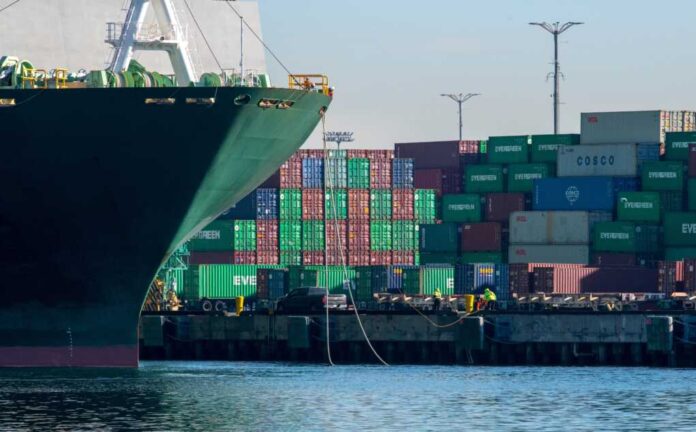
The 10% baseline tariff hit all imports at 12:01 a.m. EDT on April 5, 2025. Four days later, on April 9, higher reciprocal rates activated against the largest trade deficit countries. These rates remain modifiable based on partner retaliation or alignment with U.S. interests. Mexico faced special “fentanyl” tariffs from March 4-6, with 0% on USMCA duty-free goods, 10% on potash, and 25% on others. This linked border security to trade enforcement, a win for conservatives frustrated with open borders and drug influxes.
Retaliation and Strategic Adjustments
China responded in February-March 2025 with 15% tariffs on U.S. chicken and cotton, plus 10% on soy and beef. The EU imposed countermeasures on American goods, including suspended quotas and proposed 50% steel limits post-2026. Trump countered on July 30 with an executive order suspending the de minimis exemption effective August 29, targeting cheap e-commerce floods from platforms like Temu and Shein. By September 5, annex modifications added exemptions for compliant trade agreements, rewarding allies.
Trump paused most escalations by late 2025, retaining the 10% global baseline. This U-turn limited immediate damage while keeping pressure on. J.P. Morgan analysis notes the pause mutes GDP hits compared to full rollout, though inflation risks linger from persistent 10% duties.
Impacts and Path to a New Golden Age
Short-term effects raise import costs over 10%, disrupt supply chains, and spark retaliation that hikes U.S. export prices in agriculture and energy. U.S. consumers and importers absorb higher goods prices, while manufacturers gain protection. Long-term, tariffs aim to re-shore jobs like USMCA did for autos, reshape WTO norms, and boost competitiveness if partners align. Four charts quantify deficit cuts against volume drops, price hikes, sector shifts, and retaliation effects. Trump’s base cheers this reversal of Biden’s “economic damage,” prioritizing American workers over globalist overspending.
BREAKING: 🇺🇸 PRESIDENT TRUMP ANNOUNCES —
U.S. TO IMPOSE 10% TARIFF ON ALL IMPORTS EFFECTIVE AT MIDNIGHT & 25% TARIFF ON FOREIGN AUTOS!💥📈 pic.twitter.com/epdIq12yPy
— Good Evening Crypto (@AbsGMCrypto) April 2, 2025
USTR views tariffs as fixes for structural distortions, proven by first-term wins. Trade trackers highlight exemptions as negotiation levers amid retaliation cycles. Despite critics warning of trade wars, no consensus exists on net GDP impact, with pro-tariff voices citing manufacturing revival potential. These policies uphold limited government by wielding executive tools against unfair trade, aligning with conservative values of sovereignty and self-reliance.
Sources:
White House Fact Sheet: President Donald J. Trump Declares National Emergency to Increase our Competitive Edge
USTR: President Trump’s 2025 Trade Policy Agenda
Trade Compliance Resource Hub: Trump 2.0 Tariff Tracker
Congress.gov: CRS Product R48549
J.P. Morgan: US Tariffs Insights