

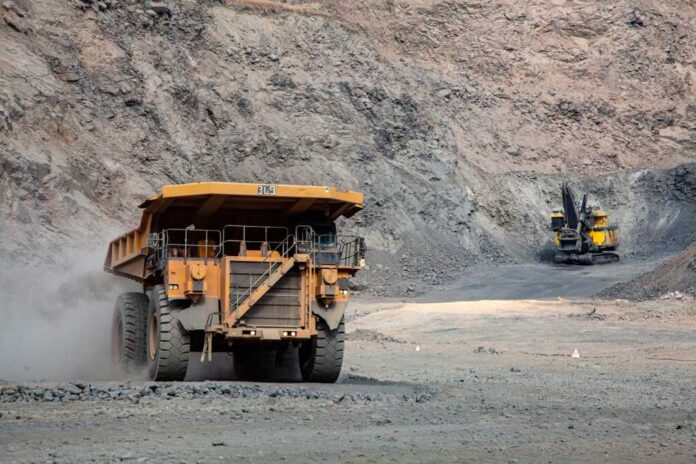
A sweeping overhaul of America’s critical minerals policy signals a dramatic move to secure the nation’s supply chains and reduce dependence on adversarial nations like China, directly impacting economic and national security interests.
Story Snapshot
- The US proposes adding six minerals—including copper and potash—to its Critical Minerals List for 2025, expanding it to 54 minerals.
- This marks the most significant update since the list’s inception, employing a new risk-based economic model.
- The move responds to increased global trade tensions, especially with China, and aims to boost domestic production.
- Industry and government stakeholders broadly support the expansion, citing benefits for infrastructure, technology, and defense.
Strategic Shift to Secure Mineral Supply Chains
The Department of Interior, guided by the US Geological Survey (USGS), has proposed a major expansion of the Critical Minerals List for 2025, adding copper, potash, silicon, silver, rhenium, and lead while removing arsenic and tellurium. This marks a pivotal shift toward fortifying domestic supply chains vital to the US economy and national security. The decision reflects mounting concerns over reliance on foreign sources, particularly as China imposes new export restrictions on key minerals used in electronics, energy, and defense. By expanding the list to 54 minerals and introducing a risk-based economic assessment, the government aims to counter vulnerabilities exposed by recent global disruptions.
Copper, silver & platinum could soon join the U.S. Critical Minerals List.
A major policy shift to secure supply chains, ramp up domestic production & meet rising demand.
Read more here: https://t.co/qEtFehJHy8 pic.twitter.com/eiPbghejdR
— Denver Gold Group (@DenGoldGroup) August 26, 2025
Origins and Legislative Mandate
The Critical Minerals List was first established in 2018 with 35 minerals and later expanded to 50 in 2022. The Energy Act of 2020 mandates regular, triennial updates to the list, ensuring it evolves alongside technological, economic, and geopolitical changes. This latest revision—open for public comment until September 25, 2025—represents the largest overhaul to date. USGS scientists and policy makers used advanced risk modeling to evaluate supply vulnerabilities, factoring in global trade dynamics and the nation’s growing reliance on imported minerals. These updates are designed to prioritize minerals that are essential to US manufacturing, infrastructure, and defense systems.
Stakeholders, Decision-makers, and Industry Response
Key stakeholders in this policy shift include the USGS, Department of Interior, National Mining Association (NMA), federal government, and industry trade groups. The Secretary of Interior holds the authority to finalize the list after reviewing public input and expert analysis. Industry advocates, such as the NMA, have applauded the expansion, noting its significance for domestic mining and processing sectors. By broadening the list, the policy encourages investment in domestic production, which can create jobs and stimulate local economies. Trade groups continue to lobby for the inclusion of minerals that align with their sector’s needs, while policymakers focus on reducing foreign dependence—especially on adversarial nations.
Impacts on Economy, Security, and Conservative Values
In the short term, the expanded list is expected to spur new mining and processing projects within the US, potentially leading to regulatory changes that favor domestic producers. In the long term, these measures aim to enhance supply chain resilience, reduce exposure to trade shocks, and strengthen the nation’s geopolitical posture. For conservative Americans wary of globalist agendas and fiscal mismanagement, this policy underscores a commitment to American self-reliance and constitutional values. The move supports national security by reducing leverage held by foreign suppliers, particularly China, and aligns with traditional principles of limited government intervention—focusing instead on strategic protection of critical industries.
Sources:
Proposed Updates to Critical Minerals List Implicate Trade Actions
US adds copper, potash, silicon in critical minerals list shake-up
NMA Applauds Expansion of USGS Critical Minerals List
Department of Interior Releases Draft 2025 List of Critical Minerals
USGS Open-File Report 2025-1047: Risk-Based Economic Model for Critical Minerals