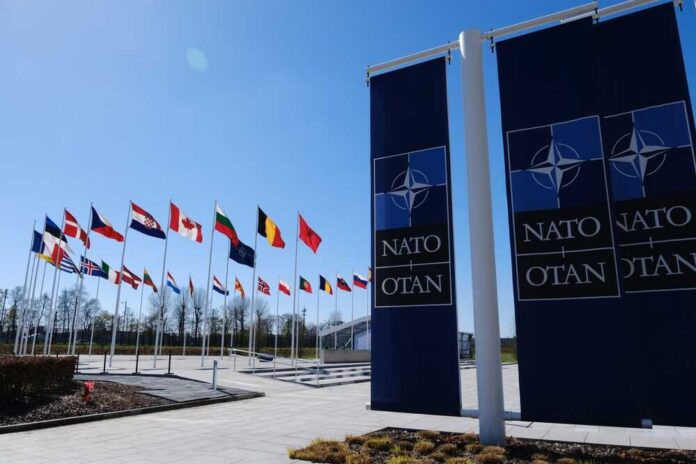
Leaked Pentagon emails reveal internal discussions about suspending Spain from NATO after Madrid refused U.S. military aircraft access to Spanish bases during the ongoing war against Iran, exposing deep fractures within the alliance as Washington considers punitive measures against allies who decline to join American military operations.
Story Snapshot
- Pentagon officials discussed suspending Spain from NATO after the country denied U.S. aircraft access to Spanish bases during the Iran war
- Leaked emails also proposed excluding “difficult” NATO members from key alliance posts and reviewing Britain’s Falkland Islands claim
- NATO headquarters and EU officials immediately rejected the idea, confirming no legal mechanism exists to expel or suspend member nations
- Spanish Prime Minister Pedro Sánchez dismissed the leaked communications as unofficial, while the incident exposes growing transatlantic tensions
Pentagon Floats Unprecedented Alliance Punishment
Reuters obtained internal Pentagon emails revealing discussions about suspending Spain from NATO following Madrid’s refusal to grant U.S. military aircraft access to Spanish bases during operations against Iran. The leaked communications, made public on April 24, 2026, also included proposals to exclude uncooperative NATO countries from senior alliance positions and even suggested reviewing Britain’s claim to the Falkland Islands. These extraordinary measures represent an unprecedented consideration of punitive actions against formal allies who choose not to participate in U.S. military campaigns abroad.
Alliance Structure Blocks Expulsion Mechanism
NATO headquarters in Brussels swiftly dismissed the Pentagon’s proposals, with officials emphasizing that the alliance’s founding treaty contains no provision for suspending or expelling member nations. The EU’s foreign affairs chief reinforced this position, noting Spain’s membership in the European single market provides additional economic protections that render U.S. threats “practically impossible” to execute. Founded in 1949 on principles of collective defense under Article 5, NATO’s structure was deliberately designed without expulsion mechanisms, reflecting the alliance’s commitment to indivisibility. Spain joined NATO in 1982 after decades of Franco-era isolation, contributing strategic bases like Rota for U.S. operations.
Spain Stands Firm on Sovereignty
Spanish Prime Minister Pedro Sánchez quickly moved to downplay the controversy, stating his government does not base its work on leaked emails and emphasizing that Spain’s position remains clear through official diplomatic channels. Madrid’s refusal to provide base access echoes previous instances where Spain prioritized national sovereignty over automatic alignment with U.S. military operations, similar to its hesitancy during the Iraq War. The incident highlights a fundamental tension within NATO between American expectations of allied support for its military campaigns and European nations’ desire to maintain independent foreign policy decisions.
Wider Pattern of Alliance Pressure
The leaked Pentagon discussions reflect broader frustrations within Washington over NATO burden-sharing and allied participation in U.S. military operations. While the United States contributes over 70 percent of NATO funding, the alliance operates on consensus-based decision-making that prevents unilateral actions against members. Previous U.S. administrations have pressured allies like Turkey over its 2019 Russian S-400 missile purchase and Hungary regarding China ties, but those conflicts were managed through sanctions rather than expulsion threats. The current Iran war context intensifies these longstanding tensions as the Pentagon seeks greater allied commitment.
Pentagon Email Seeks Ways To Suspend Spain From NATO, Brussels Says Not Possible https://t.co/hcOu2vbbTz
— zerohedge (@zerohedge) April 25, 2026
This incident exposes a concerning reality for Americans across the political spectrum who question whether unelected Pentagon officials understand the constraints and diplomatic foundations of the alliances they manage. The leaked emails suggest a disconnect between military planners pursuing strategic leverage and the legal realities governing international partnerships that have maintained global stability for decades. As Spain leverages its EU membership to shield against potential U.S. retaliation, the controversy underscores how alliance cohesion erodes when member nations perceive demands for participation in foreign wars as incompatible with their national interests and sovereignty, raising fundamental questions about NATO’s future in an era of diverging transatlantic priorities.
Sources:
Pentagon considers suspending Spain from NATO, leaked email suggests – Euronews
U.S. Floats Punishing NATO Members for Refusing to Join Iran War – Foreign Policy