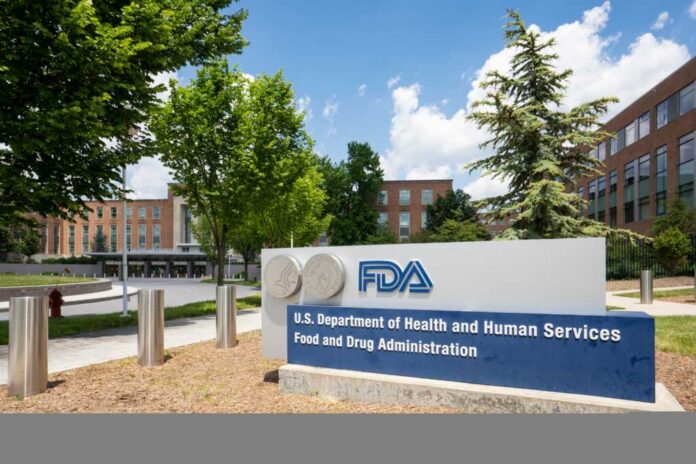
The FDA is racing to fast-track psychedelic drugs that are still federally classified alongside heroin—setting up a high-stakes test of whether Washington can move quickly without cutting corners.
Quick Take
- President Trump’s executive order directed HHS and the FDA to accelerate pathways for certain psychedelic treatments aimed at serious mental illness.
- The FDA has now issued priority review vouchers for three experimental drugs targeting treatment-resistant depression, major depressive disorder, and PTSD.
- FDA Commissioner Marty Makary has suggested a first approval could come as soon as this summer, though no approvals have been granted yet.
- Supporters argue the effort could expand options for veterans and patients failed by existing medications; critics worry speed and influence could outpace evidence.
Trump’s executive order pushes a faster pipeline for mental-health drugs
President Donald Trump’s executive order instructed federal health agencies to accelerate medical treatments for serious mental illness, putting investigational psychedelics squarely in the spotlight. The directive places political pressure on regulators to reduce bureaucratic delays while still meeting safety and efficacy standards. In practical terms, the administration is trying to create clearer federal “on-ramps” for research and review—even as many psychedelics remain Schedule I drugs under federal law.
The new push reflects two realities voters across the spectrum recognize: the mental-health crisis is real, and the federal government often moves too slowly to respond. Conservatives may appreciate the emphasis on outcomes—getting effective treatments to patients—while still demanding accountability. Skeptics, including many who distrust “deep state” institutions, will also ask an uncomfortable question: when Washington moves unusually fast, who is driving it and what guardrails are in place?
What the FDA actually did: priority review vouchers, not approvals
On April 24–25, the FDA announced it would grant priority review vouchers for three psychedelic-related drug candidates, a mechanism designed to shorten review timelines. Reports indicated the recipients include psilocybin programs for treatment-resistant depression and major depressive disorder, along with an MDMA-like compound (methylone) aimed at PTSD. Priority review can cut FDA review time to about six months rather than the typical timeline, but it does not lower the evidentiary bar.
That distinction matters because headlines can blur process with outcome. The FDA’s actions accelerate review, but they do not guarantee approval, and they do not settle long-running questions about safety, dosing, or durability of benefit. The official FDA announcement also did not publicly name all companies, while other reporting identified Compass Pathways, Usona Institute, and Transcend Therapeutics as voucher recipients—an example of where official statements and trade reporting can differ in specificity.
Ibogaine’s derivative enters U.S. trials as officials highlight veterans and addiction
Beyond the three vouchers, regulators also authorized a Phase 1 trial for noribogaine, an ibogaine derivative, for alcohol use disorder. That step signals the administration’s interest not only in depression and PTSD but also in addiction—an area that has devastated families and hollowed out communities for decades. HHS Secretary Robert F. Kennedy, Jr. has framed the acceleration effort as a way to confront the crisis directly, including for veterans dealing with trauma.
For conservative readers, the key policy question is whether this becomes a disciplined, evidence-driven effort or an open-ended cultural shift that normalizes powerful mind-altering drugs without sufficient controls. Schedule I status has historically reflected high perceived abuse risk and “no accepted medical use,” yet federal policy is now implicitly acknowledging that medical use may be established if trials succeed. That tension will likely force Congress and regulators to revisit how rescheduling and access rules work.
The promise—and the political risk—of an “ultra-fast” review culture
FDA Commissioner Marty Makary has publicly suggested the first psychedelic approval could come as soon as summer, fueling investor enthusiasm and public expectations. Some reporting also noted lobbying pressure from a podcaster, which raises a separate concern: accelerated timelines can be a win for patients, but they can also magnify distrust when the public senses politics or influence is shaping scientific priorities. Faster review is only credible if the process stays transparent and rigorous.
FDA Grants Quick Review Psychedelic Drugs, First Approvals Could Come As Soon As Summer https://t.co/SSEZTmWY1Y
— zerohedge (@zerohedge) April 25, 2026
If a first approval happens quickly and performs well in real-world use, the Trump administration can claim a tangible win—particularly for veterans and treatment-resistant patients. If a fast-tracked product later shows safety issues, weak benefits, or misuse, the political blowback will be immediate and bipartisan, reinforcing the shared belief that federal agencies serve insiders first. For now, the facts are clear: the FDA is moving faster, but the science still has to prove itself.
Sources:
Trump orders FDA to fast-track reviews of psychedelic drugs after lobbying by podcaster
FDA accelerates action on treatments for serious mental illness following executive order