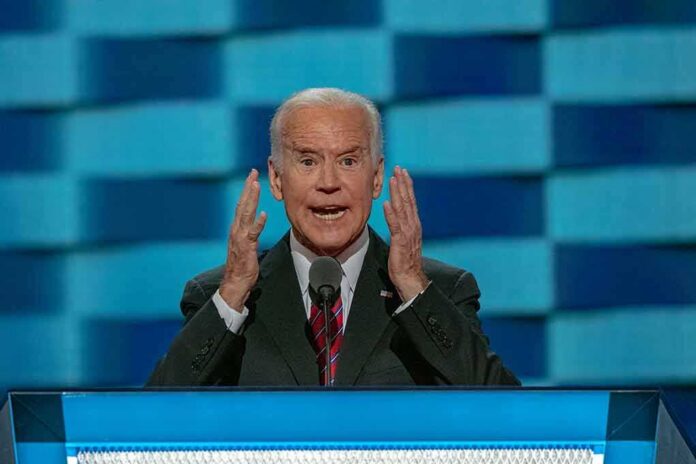
Hunter Biden now says his father’s disastrous 2024 debate stemmed from travel exhaustion, sleep medication, and even undiagnosed cancer — a late-breaking explanation that reopens old wounds about transparency and trust.
Story Snapshot
- Hunter Biden linked Joe Biden’s 2024 debate stumble to Ambien, heavy travel, and later-found cancer.
- Major outlets reported his claims came in recorded interviews and podcasts released after the election.
- The account is retrospective and personal; no doctor records were presented in those reports.
- The episode highlights how campaigns explain bad moments and how voters judge honesty and fitness.
What Hunter Biden Said, and Where He Said It
Hunter Biden publicly argued that Joe Biden’s poor June 2024 debate performance resulted from extreme travel fatigue and the sleep drug Ambien, which he said aides used to help the then-president rest before big events. He described a “deer in headlights” look and tied it to that mix of stress and medication. Reuters reported his remarks in July 2025, based on an on-camera interview, and similar descriptions appeared across outlets that covered the interview release.
ABC News reported that Hunter made the Ambien and exhaustion case in an interview with YouTube host Andrew Callaghan, framing the debate as a bad night worsened by sleep aids after long flights. The coverage focused on the claim and the timeline, but did not include medical records. The reporting presented Hunter’s account as his view, offered after the election cycle had ended. That timing matters because voters had already judged the debate on what they saw live.
A New Layer: Talk of Later-Found Cancer
The New York Times reported that Hunter Biden later added another possible cause: an undiagnosed cancer that he believes his father was battling around the time of the debate. He said this on a podcast posted well after the fact. That claim, as described in the coverage, again came from Hunter and did not include direct documentation shared with reporters. It broadens his explanation from sleep and travel to a serious health issue discovered months later.
These evolving explanations land in a familiar space in politics. Families and allies often blame fatigue, illness, or medication when a public performance goes badly. Critics often view the same event as proof of deeper decline. Coverage of Hunter’s interviews captured that classic split without confirming more than his personal account. That puts the weight on voters to decide how much to credit a retrospective, family-sourced story over the debate video they already watched.
Why This Resonates With Voters on Both Sides
Many Americans now distrust how leaders share health and fitness information. People on the right remember long fights over transparency and believe elites hide the truth. People on the left worry that party insiders manage optics first and facts second. Hunter Biden’s remarks tap both concerns. The reports show no new official records released with his claims, which keeps the accountability question open and feeds the feeling that the public learns key facts late, if at all.
Hunter Biden talks about how Joe Biden had undiagnosed cancer during his disastrous 2024 debate performance pic.twitter.com/pipIkLpw5p
— Macrodosing (@MacrodosingPod) July 31, 2026
This also connects to a larger system problem. Campaigns focus on winning news cycles. Staff protect principals from tough choices. Consultants craft narratives after stumbles. Voters see the spin and grow more cynical. When a relative offers a complex, after-the-fact mix of travel, medication, and illness, people hear risk management, not straight talk. That cycle erodes trust. Breaking it would require prompt, consistent health disclosures and clear rules for medications near major events, from any campaign.
What Is Established, and What Is Still Unclear
Established facts include that Hunter Biden gave interviews stating Joe Biden’s bad debate was tied to heavy travel, Ambien, and later-suspected cancer. Major outlets recorded and summarized those statements as his view. What remains unclear is any independent confirmation from physicians or official records made public alongside his claims. The press reports describe a personal account, not a released medical file. That leaves voters with a simple test: weigh the stated reasons against the debate performance they remember.
Sources:
townhall.com, the-sun.com, thehill.com, cnn.com