
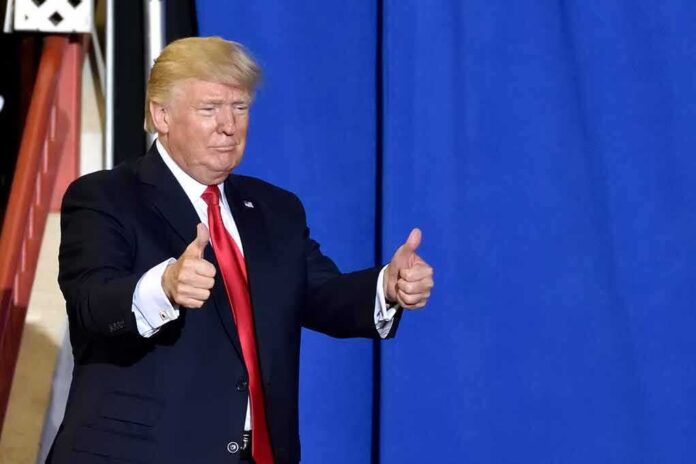
President Trump called into Fox News and said “The Democrats did a good job,” while insisting GOP losses were not a rejection of him — a rare mix of praise and denial on a bruising election night.
Story Snapshot
- Trump acknowledged Democratic gains and complimented their execution, but downplayed any rebuke of himself.
- Trump touted a heavy campaign push, including 28 rallies and tele-rallies to boost turnout.
- National coverage tied GOP setbacks to Trump’s low approval and Democratic focus on affordability and the Iran war.
- Analysts warned that presidential approval shapes midterm outcomes, regardless of final campaign sprints.
What Trump Said On Air And Why It Matters
Fox News aired a phone interview in which President Trump reacted to midterm results by crediting Democrats for running strong races. He also argued the outcomes were not a personal rejection. CNN captured this split posture, quoting Trump’s “I don’t view it as a hit on me” while reporting that voters rejected candidates he backed in key contests. The moment shows a leader trying to protect his standing while conceding the other side executed well, which both parties will parse.
Trump’s remarks landed after a month-long blitz. NBC News reported he held 28 rallies from October 1 to November 2 and hosted targeted tele-rallies for individual candidates. Trump often claims these events lift turnout and sway opinions. In one call for Representative Mike Lawler, he called phone gatherings “very important” with “amazing” impact. These claims highlight energy among core supporters. They do not, by themselves, prove broader general-election gains.
How Democrats Framed The Race
Major outlets said Democrats ran hard on affordability and linked costs to Trump’s policies. The Associated Press reported that Democrats and allied groups centered many ads on the Iran conflict and household budgets, after pushing war-powers votes to spotlight the issue. NBC New York said Democrats campaigned on voter displeasure with Trump and pocketbook stress, and reported Trump acknowledging Iran was “part” of GOP losses. This focus met voters where bills and fears are highest.
The Boston Globe reported that record-low approval ratings for Trump weighed on Republicans nationwide and opened fights in places once seen as safe. It said Democrats flipped seats while leveraging anger over tariffs and the Iran war’s price effects. BBC coverage echoed voter anger at the cost of living and tied blame to Trump’s decisions on war and trade. These are contestable political arguments, but they reflect a coherent, repeated message that likely shaped close races.
The Limits Of Rally Politics In Midterms
Axios reported Trump’s approval sitting in the mid-30s before Election Day, creating a bind for Republican candidates who needed his base but risked losing independents. USA Today described the same tension, with some Republicans embracing Trump’s support and others keeping their distance. History adds weight: research shows the president’s party usually loses House seats in midterms, and approval strongly predicts the scale of losses. Even strong ground games can buckle under national mood.
Trump’s travel and tele-rallies may have reminded loyal voters to turn out. But the evidence presented so far does not isolate a clear, causal boost to final margins. NBC News documented the volume of events and Trump’s own view of their “amazing” impact, without precinct-level tests to confirm effects. Analysts on both sides should resist simple blame games. Structure matters. When prices rise and a war dominates headlines, national forces can swamp local tactics.
Why Both Sides Feel The System Is Failing
Conservatives see high prices, global risks, and media narratives that seem stacked against them. Liberals see widening gaps between the haves and the have-nots, and a government slow to ease costs. In this election, both anxieties converged on the basics: safety, prices, and trust. Campaigns routed those fears through ads about war and tariffs, and through rallies about turnout and loyalty. Voters sent a message that neither spin nor swagger can outrun pocketbook pain.
The lesson is hard but useful. Campaign showmanship can motivate a base; it cannot replace broad trust. When a president’s approval is low, every race becomes a referendum. When family budgets are tight, every ad about values must pass a price test. Trump’s call-in both praised the other side’s work and defended his own standing. The next Congress will be judged on something simpler: whether it can lower costs and dial down crises faster than politics heats them up.
Sources:
youtube.com, cleveland.com, usnews.com, abcnews.com, axios.com, nbcnews.com, gulfnews.com, responsiblestatecraft.org, bostonglobe.com, elonnewsnetwork.com, academic.oup.com