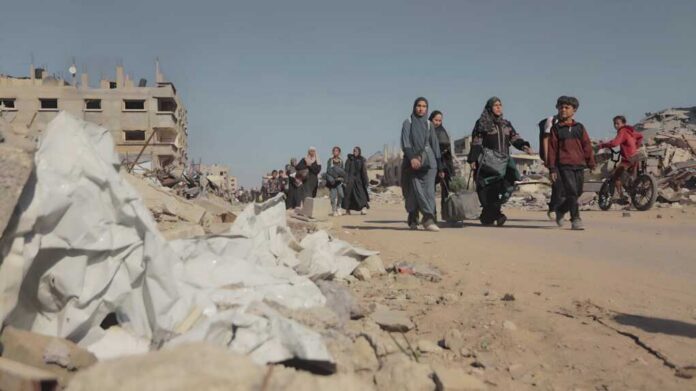
Israel’s nearly two-year closure of the Rafah border crossing has killed half of Gaza’s kidney disease patients, creating a catastrophic healthcare crisis that highlights the deadly consequences of restricting medical access in conflict zones.
Story Snapshot
- 50% of Gaza’s dialysis patients have died during the Rafah crossing closure since May 2024
- Only 34 dialysis machines serve 750 kidney patients, forcing dangerous blood transfusions
- 15-year-old Rawaa Al-Daama and 200 other patients await Monday reopening for life-saving transplants abroad
- Israel’s COGAT coordinates limited foot-traffic reopening with Egypt and EU after blocking 20,000+ medical travelers
Devastating Death Toll From Border Blockade
Gaza’s kidney patients have endured staggering mortality rates during Israel’s closure of the Rafah crossing, with medical directors reporting that 50% of dialysis patients have perished since May 2024. Dr. Mohammed Abu Salmiya, director of Al-Shifa Hospital, documented the grim reality facing Gaza’s healthcare system, where over 1,000 patients died from inability to travel for treatment. The closure, implemented during Israel’s war with Hamas, transformed the crossing from a medical lifeline into what patients now call a “machine of slow death.”
Critical Equipment Shortages Worsen Patient Outcomes
Al-Shifa Hospital’s nephrology unit operates with just 34 dialysis machines for 750 kidney disease patients across Gaza, creating impossible treatment ratios that force dangerous medical compromises. Dr. Ghazi Al-Yazji, head of nephrology at Al-Shifa, explained that the siege blocked 70% of needed pharmaceuticals and prevented essential diagnostic procedures like kidney biopsies. Without access to specialized care abroad, patients with autoimmune conditions face inevitable organ failure, while hospitals resort to risky blood transfusions to manage complications from inadequate dialysis treatment.
Fifteen-Year-Old Among Hundreds Awaiting Travel
Rawaa Al-Daama, a 15-year-old chronic kidney disease patient, represents the human face of Gaza’s medical catastrophe as she waits desperately for the Monday reopening to seek a transplant abroad. Her mother Sabrin expressed cautious relief at the planned reopening, calling it a potential lifeline after two years of watching her daughter’s condition deteriorate. Approximately 200 patients remain queued at the crossing, hoping the limited foot-traffic arrangement coordinated between Israel’s COGAT, Egypt, and the EU will finally allow them to escape Gaza’s collapsed healthcare system for life-saving procedures unavailable locally.
Gazan kidney patients await Monday reopening of border crossing https://t.co/XLYJ7ZxW5v via @YouTube
next we will see organs on the black market or dead bodies with organs missing (again)
— Des (@blaqbeauty) February 2, 2026
Partial Reopening Offers Limited Relief
Israel announced Sunday that the Rafah crossing would reopen for pedestrian passage only, coordinated with Egyptian and EU officials, marking the first sustained access since May 2024. The arrangement restricts movement to foot traffic, with ambulances waiting on Egypt’s side to transport approved medical cases. Dr. Abu Salmiya warned that continued limitations or future closures would worsen the catastrophe, as Gaza’s health ministry reports that the broader blockade has prevented more than 20,000 patients from accessing external care. Medical experts emphasize that without consistent access to transplant centers and specialized treatment abroad, Gaza’s kidney patients face a death sentence disguised as a ceasefire agreement.
Sources:
50% of kidney patients in Gaza die amid Israel’s ongoing siege
Gazan kidney patients await Monday reopening of border crossing
Gazan kidney patients await Monday reopening of border crossing
Israel to reopen Gaza’s Rafah crossing on Sunday for residents