Iran’s decision of a death sentence for a 26-year-old protester, Erfan Soltani, as early as January 14, 2026, marks a terrifying expansion of its crackdown on nationwide dissent. Charged with “waging war against God,” Soltani’s death would be the first such execution in the current wave of anti-regime demonstrations that began over economic issues and have since escalated. This move underscores the regime’s shift toward draconian measures, drawing swift condemnation from human rights advocates and international bodies, who warn of a dangerous precedent in the government’s toolkit of repression.
Story Highlights
- Iran plans a death sentence for 26-year-old Erfan Soltani, a protester, as early as January 14, 2026.
- This would be the first execution of a protester in the current wave of nationwide demonstrations.
- Protests began over economic issues and have evolved into broader anti-regime unrest.
- Human rights groups and international bodies condemn the planned execution.
Iran’s First Execution in Current Protests
Iranian authorities have scheduled the execution of Erfan Soltani, a 26-year-old protester, for Wednesday, January 14, 2026. Arrested on January 8 in Karaj, near Tehran, Soltani was participating in protests against Supreme Leader Ayatollah Ali Khamenei. Charged with “waging war against God,” this marks the first instance of a protester being sentenced to death among the ongoing demonstrations that erupted in late December 2025.
The protests initially began over economic grievances, such as inflation and currency collapse, but have since transformed into broader anti-regime unrest. This shift has ignited fears of more severe crackdowns, with the regime pledging zero tolerance for dissent. Ayatollah Khamenei has made it clear that the unrest is seen as an existential threat, prompting the judiciary to expedite trials without leniency.
Pray for this young man. https://t.co/1SUsyS1kBC
— LivingByGrace✝️🇺🇸 (@Hisgrip63) January 13, 2026
Escalation of Government Repression
The decision to execute a protester underscores the Iranian regime’s shift towards more draconian measures in dealing with dissent. Human rights organizations, including Iran Human Rights and Amnesty International, have documented the killings of hundreds of protesters since the unrest began, with reports of over 600 deaths. These groups warn that the execution could set a dangerous precedent, further intensifying the regime’s repression toolkit.
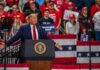
International condemnation has been swift, with the United Nations’ Volker Turk denouncing the labeling of protesters as “terrorists” and calling for an immediate cessation of executions. U.S. President Donald Trump has also threatened tariffs on nations trading with Iran, underscoring the global implications of Iran’s domestic policies.
Erfansoltani was arrested for protesting
Global Implications and Future Outlook
The execution of Erfan Soltani may deter future protests due to fear of similar fates, yet it could also spark underground resistance. These actions risk further isolating Iran from the international community, as Western sanctions continue to mount. The Iranian populace, already burdened by economic hardship, faces increased oppression, while the regime’s hardline stance threatens to destabilize the region further.
As the world watches, the situation in Iran remains tense, with rights groups and global leaders urging restraint and dialogue. The potential execution of Soltani stands as a pivotal moment, reflecting the regime’s willingness to employ extreme measures to maintain control and silence dissent.
Watch the report: Iran On Edge: 26-Yr-Old Protester To Be Hanged To Death In 1st Execution Over Anti-Khamenei Protests
Sources:
‘Help is on its way,’ Trump tells Iranians as he urges them to keep protesting – live updates – BBC News.
Iran set to execute first protester after ‘no trial and no due process’ | The National
Iran To Hang Man, 26, In 1st Execution Over Anti-Khamenei Protests: Reports
IranWire: Young Protester May Be Executed Tomorrow