
A newly elected New Jersey Democrat refused to label Iran an adversary on CNN, igniting a high-stakes fight over war, diplomacy, and judgment in Washington.
Story Snapshot
- Rep.-elect Adam Hamawy declined to call Iran a U.S. adversary, stressing diplomacy instead.
- Hamawy criticized Iran’s government as authoritarian while warning war makes problems worse.
- Conservative outlets highlighted his refusal and past volunteer work with a group later tied to al-Qaeda.
- The White House has formally branded Iran the world’s leading state sponsor of terror.
What Hamawy Said On CNN And Why It Matters
On November 10, Rep.-elect Adam Hamawy was pressed on live television to say whether Iran is a U.S. adversary. He did not give a yes-or-no answer. He argued that the United States should use leverage to push talks with Iran and avoid widening the war. He pointed to past negotiations as proof that diplomacy can work. He also called Iran’s government a dictatorship, but repeated that more war would fuel radicalization and make Americans less safe.
Hamawy’s exchange cut straight to a core question in U.S. policy. Should leaders lock in a hostile label, or leave room for talks even with hostile states? His critics said the label is obvious, given Iran’s support for proxy groups and attacks on partners. His backers said the United States should still pursue talks to cut risk and save lives. The interview showed how a single word can become a test of judgment in a tense moment.
How Partisans Framed The Clash
Conservative media focused on the refusal itself. They said Hamawy “dodged” a basic question, and they highlighted his past volunteer work in the 1990s with a charity later found to have ties to al-Qaeda. Those reports did not show that Hamawy took part in wrongdoing, but they used the association to question his judgment and stance on Iran. The clips and headlines made his call for talks sound like softness on a threat.
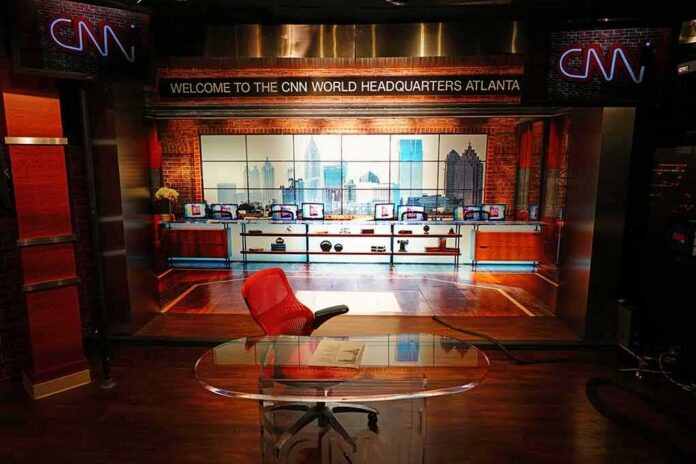
CNN’s reporting centered on what Hamawy actually said on air. He rejected the Iranian regime’s values, but he argued for negotiations to avoid wider war and more loss. He also noted that hostile slogans run both ways and said that trading chants does not produce peace. That message fits a classic split in U.S. policy debates, where containment and pressure often sit alongside channels for talks.
What Official Policy Says About Iran Today
The current White House has labeled Iran the world’s leading state sponsor of terror. An early 2025 memorandum cited Iranian support for groups like Hezbollah and Hamas as proof of that status. National security leaders often use that record to argue that Iran is a direct threat to U.S. forces and partners. Supporters of this view say clear labels help deterrence and avoid mixed signals that could invite more aggression against Americans.
New Jersey Democrat Adam Hamawy won a seat in Congress last week, and he already can't answer one of the simplest questions there is. CNN's Pamela Brown asked him again and again whether Iran is an adversary of the United States. He wouldn't say it. Instead he said "we pushed… pic.twitter.com/CSpFPthXRb
— sandym (@Sandy1Texas) November 11, 2026
Hamawy’s approach leans on pressure plus diplomacy. But he has not yet laid out a detailed plan with steps, limits, or safeguards. Without details, critics can fill the gaps with fears of risky concessions. Supporters say talks can cap risks and open space for de-escalation. Both camps agree on one fact: the stakes are high for U.S. troops, allies, and families at home. Clear policy and clear words both matter here.
Why This Resonates With Voters Across The Aisle
Americans on the right and left fear that leaders in Washington miss the big picture. People worry that war talk comes easy, while plans for peace, cost, and accountability come late. They see headlines that reduce complex policy to a sound bite. This story fits that pattern. A single word became the fight, while the hard questions—how to stop attacks, deter proxies, and avoid a wider war—remain largely unanswered on air.
Voters want safety, strength, and honesty. Many also want less spin and fewer loyalty tests. Hamawy’s interview shows how the system rewards quick labels over clear plans. The next step should be substance from all sides: specific sanctions triggers, verifiable limits on Iran’s nuclear and proxy activity, concrete red lines, and defined paths to relief if Iran complies. That is the map people need to judge risk and results.
Bottom Line For Readers
Hamawy refused the “adversary” label for Iran while calling its regime a dictatorship and urging diplomacy. Conservative outlets pressed the refusal and his past charity link; official policy continues to brand Iran a top terror sponsor. The fight over one word reflects a larger failure: Washington often swaps clarity for theater. Demand details, timelines, and checks from every leader who talks about Iran. Labels are cheap. Coherent plans keep Americans safe.
Sources:
thegatewaypundit.com, edition.cnn.com, washingtonexaminer.com, cnn.com, foxnews.com