A deadly cold snap in New York City has claimed the lives of ten homeless individuals, reigniting a fierce public and political debate over Mayor Mamdani’s voluntary shelter policy. Critics argue the system’s reliance on individual choice in life-threatening weather constitutes negligence, demanding mandatory intervention to prevent further tragedies, while constitutional and civil liberty concerns complicate the issue of forced compliance.
Story Highlights
- At least 10 homeless individuals died outdoors during NYC’s coldest weather in eight years, with seven deaths suspected to be hypothermia-related.
- Mayor Mamdani expanded “Code Blue” measures with additional outreach teams and warming centers, but critics demand mandatory shelter policies to prevent further deaths.
- Despite 500 placements into transitional housing since January 19, many homeless New Yorkers continue refusing shelters due to distrust, personal trauma, and substance abuse issues.
- Six of the ten victims were previously known to the Department of Homeless Services, highlighting gaps in the city’s voluntary outreach system.
Tragic Deaths Expose Policy Weakness
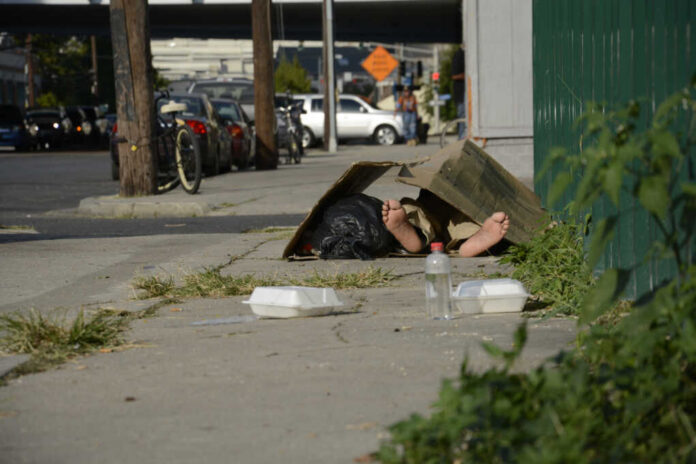
New York City’s coldest winter storm in eight years claimed at least 10 homeless lives between January 23 and 27, 2026, with seven deaths likely caused by hypothermia according to ongoing medical examiner investigations. Six of the deceased were already known to the Department of Homeless Services, revealing that even individuals within the city’s tracking system remained vulnerable. The deaths occurred despite Mayor Mamdani’s enhanced outreach efforts that successfully placed nearly 500 homeless individuals into transitional housing since January 19. Critics now argue the city’s compassionate voluntary approach has become deadly negligence, demanding stronger intervention powers to compel shelter acceptance during life-threatening weather conditions.
FATAL COLD: At least 10 people found dead outdoors in NYC as 'Arctic siege' continues https://t.co/AwIEnl6b2x
📸 @winsjuliet pic.twitter.com/XU5ExJ5qmV
— 1010 WINS on 92.3 FM (@1010WINS) January 27, 2026
Voluntary Approach Under Fire
Mayor Mamdani announced expanded Code Blue protocols on January 27, deploying additional outreach teams, mobile heating vans, and warming centers beyond the standard response to temperatures below 32 degrees Fahrenheit. The mayor personally joined outreach shifts at Bellevue Hospital and emphasized that “Code Blue alone is not enough” while acknowledging the city placed approximately 30 additional individuals into shelters on Tuesday night alone. However, this voluntary framework allows homeless individuals to refuse assistance, and many do precisely that. Personal histories involving drug addiction, mental health challenges, and traumatic experiences create deep distrust of the shelter system. One man reportedly abandoned his apartment after his wife’s death, choosing street life over institutional settings despite deadly cold.
Constitutional Tensions in Crisis Response
The debate over forcing homeless individuals into shelters raises fundamental questions about individual liberty versus government intervention that resonate with constitutional principles. While saving lives appears paramount during extreme weather emergencies, mandatory shelter policies potentially infringe on personal autonomy and freedom of movement guaranteed by constitutional protections. Conservative principles typically favor limited government overreach, yet the deaths of ten vulnerable citizens during preventable circumstances create moral urgency that challenges pure libertarian approaches. The tension between respecting individual choice and preventing needless death has no easy resolution, particularly when substance abuse and mental illness compromise decision-making capacity. Critics characterize the city’s voluntary policy as being “killed by kindness,” suggesting compassion without accountability enables preventable tragedies rather than protecting vulnerable populations.
Systemic Failures Require Honest Assessment
New York City’s homelessness crisis stems from decades of housing shortages, inadequate mental health infrastructure, and substance abuse epidemics that overwhelm temporary shelter solutions. The Department of Homeless Services coordinates outreach teams that placed over 170 individuals into housing during recent weeks, demonstrating capability when resources mobilize effectively. Yet the system’s voluntary nature means success depends entirely on individual cooperation from people whose judgment may be impaired by addiction, mental illness, or trauma. The political implications pressure Mayor Mamdani as critics demand accountability for the ten deaths while he emphasizes placement statistics and expanded programs. This incident spotlights broader national homelessness policy debates where cities struggle balancing civil liberties against paternalistic interventions. Whether this tragedy prompts New York toward coercive measures remains uncertain, but the human cost of current policies now carries undeniable weight measured in frozen bodies recovered from city parks and sidewalks.
The coming weeks will reveal whether political pressure forces policy shifts toward mandatory shelter compliance during extreme weather emergencies. Mayor Mamdani’s administration faces difficult choices between preserving individual freedom and preventing further deaths, with both approaches carrying significant moral and practical consequences. As temperatures remain dangerously low and more homeless individuals continue refusing available shelter beds, the city’s response will test whether voluntary compassion can adapt quickly enough to protect the most vulnerable, or whether tragic deaths will necessitate more aggressive government intervention despite constitutional concerns about forced compliance.
Watch the report: At least 10 found dead in cold amid cold weather in NYC, Mamdani says
Sources:
Homeless NYers still choose outdoors over shelters in bone-chilling cold —despite 10 dead in deep freeze
Among 10 who died outside in NYC cold: a history of homelessness, drug use, health issues
6 deaths outside in NYC being investigated for links to the extreme cold