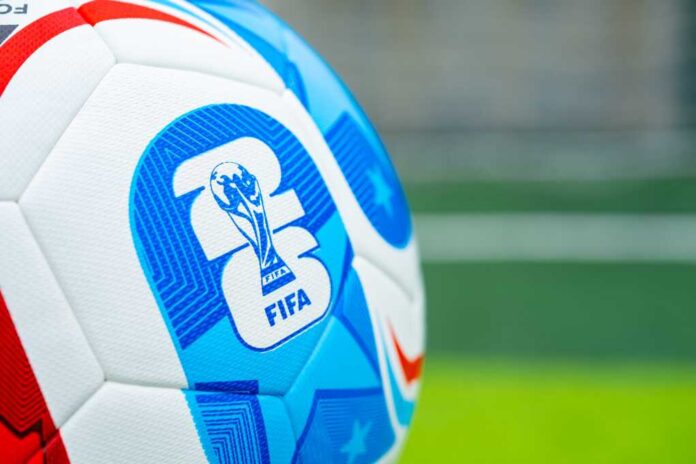
Kansas City, the smallest host city for the 2026 FIFA World Cup, is on the verge of a historic moment, scrambling to accommodate a projected 650,000 visitors. The heartland city’s ambition is proving a match for major coastal markets, especially as elite teams like Argentina, England, and the Netherlands eye the region for their base camps.
Story Snapshot
- Kansas City will host six World Cup matches at GEHA Field at Arrowhead Stadium starting June 16, 2026, with projections of 650,000 visitors and a $653 million economic impact
- Argentina, England, and the Netherlands have reportedly shown interest in establishing base camps in Kansas City, leveraging the region’s world-class training facilities and central location
- The metro area faces a lodging scramble with approximately 36,000 hotel rooms as FIFA contracts tighten availability, prompting regional collaboration across Missouri and Kansas
- KC2026 has secured 16,000 volunteer applicants and 215 buses while launching the KC Game Plan to prepare over 11,000 local businesses for the influx
Heartland Ambition Meets Global Stage
Kansas City’s selection as a 2026 FIFA World Cup host city in 2022 marked a significant victory for middle America. The region will host six matches at GEHA Field at Arrowhead Stadium, known as one of the world’s loudest venues. As the smallest of 16 North American host cities for the first-ever 48-team tournament, Kansas City competes against major coastal markets like New York and Los Angeles. The city’s central U.S. location and existing soccer infrastructure from Sporting KC and the KC Current positioned it as an ideal candidate, demonstrating that success stems from ambition and preparation rather than market size alone.
This summer, Argentina, England, Netherlands are all expected to set up 2026 World Cup base camps in Kansas City, due to the central location and extensive amount of facilities.
🇦🇷 Argentina are set to train at Compass Minerals National Performance Center, the training home of… pic.twitter.com/n0gdwoMSk9
— USMNT Only (@usmntonly) January 21, 2026
Elite Teams Eye Kansas City Base Camps
As of January 21, 2026, Argentina, England, and the Netherlands have expressed interest in establishing base camps in Kansas City, though FIFA has not issued official confirmations. KC2026 CEO Pam Kramer acknowledged the complex approval process involving venues, hotels, and FIFA coordination. The region can accommodate at least two teams at facilities like Sporting KC and KC Current, with potential for a third at Rock Chalk Park in Lawrence. Mayor Quinton Lucas expressed enthusiasm on Facebook about the base camp opportunities. This interest reflects Kansas City’s strategic central location and world-class training facilities, assets that draw international attention despite the city’s smaller size compared to other hosts.
Logistical Preparations Accelerate
KC2026, led by CEO Pam Kramer, coordinates all host city operations through collaboration with over 50 security agencies and 531 hospitality organizations. The committee secured 215 buses in February 2025, becoming the first host city to finalize transportation arrangements through the ConnectKC26 plan. Volunteer recruitment has drawn 16,000 applicants for 6,000 positions, demonstrating strong community engagement. The KC Game Plan business readiness initiative has conducted 295 assessments and received 2,400 interest forms from over 11,000 establishments. A Fan Fest at the National WWI Museum will run for 18 days. Airlines including Aerolíneas Argentinas and American Airlines have added flights from Buenos Aires, Curaçao, New York, and Atlanta to accommodate anticipated demand.
Lodging Crunch Tests Regional Cooperation
The Kansas City metro area’s approximately 36,000 hotel rooms face unprecedented demand as FIFA contracts lock down inventory ahead of the June tournament. Visit Kansas City President Kathy Nelson acknowledged the lodging pressure but expressed confidence in spreading visitors across the broader Missouri and Kansas region. The first match on June 16 features Argentina versus Algeria, expected to draw particularly passionate fan bases. This lodging scramble underscores the challenge small-market cities face when hosting major international events, yet the regional approach demonstrates how collaboration can overcome infrastructure limitations that might concern centralized government planners accustomed to top-down solutions.
Kansas City Prepares for 2026 World Cup | Fox Business Video
Economic Impact and Community Legacy
Kansas City projects a $653 million direct economic impact from hosting World Cup matches, representing the largest tourism event in the region’s history. The KC2026 Momentum Report released January 12, 2026, emphasized that impact is driven by ambition rather than market size. Short-term benefits include visitor spending that supports local businesses, while long-term advantages involve enhanced global profile and sustained tourism infrastructure improvements. Over 11,000 businesses stand to benefit through the KC Game Plan, which empowers small establishments often overlooked by bureaucratic government programs. This economic opportunity represents exactly the kind of free-market growth that strengthens communities without requiring taxpayer bailouts or federal intervention—a model for how regions can succeed through initiative rather than dependence.
Watch: What is Kansas City doing to prepare for 2026 FIFA World Cup?
Sources:
Kansas City World Cup base camp interest from Argentina, England, Netherlands – KCUR
KC2026 Hits Its Stride: Smallest Host City Sets High Standard for FIFA World Cup Readiness – Kansas City FWC26
World Cup Demand Sparks Lodging Scramble in Kansas City – AOL
World Cup Demand Sparks Lodging Scramble in Kansas City – Fox News
Kansas City Prepares for 2026 World Cup as Argentina Fan Shares Excitement – KSHB
KC Game Plan – Kansas City FWC26