The Trump administration’s military campaign against alleged drug traffickers in international waters has now claimed over 160 lives, with the latest strike killing two more individuals on a vessel the U.S. labeled as operated by “narco-terrorists.”
Story Snapshot
- U.S. military conducted another lethal strike on an alleged drug-trafficking vessel in the Eastern Pacific, killing two and rescuing three survivors via Coast Guard operations
- The operation marks the continuation of Operation Southern Spear, which has executed 47 strikes on 48 vessels since September 2025, resulting in 163 confirmed deaths
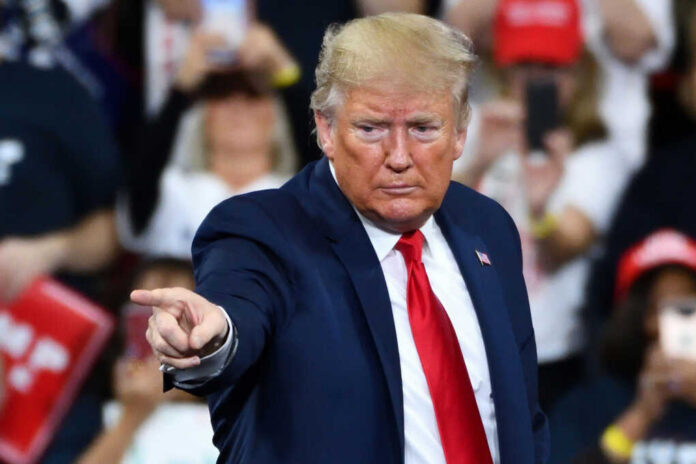
- Defense Secretary Pete Hegseth announced the strike was conducted “at the direction of President Trump” to stem drug flows into America
- UN human rights experts have condemned the strikes as “extrajudicial executions” lacking legal basis in international waters, raising questions about constitutional oversight
Latest Strike Adds to Growing Death Toll
U.S. Southern Command executed a kinetic strike on a low-profile vessel in the Eastern Pacific on Thursday, killing two individuals and leaving three survivors who were subsequently rescued by the U.S. Coast Guard. Defense Secretary Pete Hegseth confirmed the operation Friday morning via social media, emphasizing it was conducted under President Trump’s direct authorization. The strike represents the latest action in an intensifying military campaign that has killed 163 people across 47 separate operations since September 2025, with no reported U.S. casualties throughout the entire operation.
Operation Southern Spear’s Expanding Scope
The military campaign began September 2, 2025, with a Navy airstrike on a Venezuelan vessel in the Caribbean that killed 11 individuals. The operation rapidly expanded into the Eastern Pacific by October 2025, targeting what U.S. officials describe as known narco-trafficking corridors off the South American coast. The deadliest single day occurred October 27, when strikes on four vessels killed 14 people, with only one survivor rescued by Mexican naval forces. General Francis Donovan of U.S. Southern Command has consistently framed these operations as intelligence-driven actions against designated terrorist organizations, specifically citing Colombia’s National Liberation Army as controlling trafficking routes.
Constitutional and Legal Questions Mount
The strikes have triggered significant international legal concerns, with UN human rights experts issuing a formal condemnation on October 21, 2025, labeling the operations as “extrajudicial executions” that violate international law. The UN assessment specifically challenged the legal basis for lethal military force in international waters against non-state actors during peacetime operations. Domestically, the Trump administration’s ability to conduct ongoing military strikes without formal congressional authorization raises fundamental questions about separation of powers and war-making authority. The designation of traffickers as “narco-terrorists” appears designed to justify military action under existing counterterrorism authorities, yet no independent verification exists confirming terrorist affiliations or vessel contents beyond U.S. government assertions.
The Deeper Problem Washington Won’t Address
While both political camps argue over strike legality and effectiveness, a troubling reality emerges that transcends partisan divisions. The federal government has responded to America’s drug crisis with military violence in international waters rather than addressing the policies that created domestic demand or secured the southern border effectively. Conservatives question why billions flow to maritime interdiction operations while the border remains porous. Liberals point to the lack of investment in treatment and prevention programs that might reduce drug demand. Both perspectives highlight a government more focused on dramatic military actions that generate headlines than on comprehensive solutions requiring difficult policy changes and sustained investment in communities ravaged by addiction and economic despair.
The administration touts Operation Southern Spear as protecting American lives from drug influx, yet fentanyl deaths continue climbing while constitutional safeguards erode. This pattern reflects a governing class increasingly comfortable bypassing traditional restraints on executive power, whether deploying lethal force abroad without clear legal authority or implementing policies without meaningful congressional oversight. The three survivors rescued from the latest strike will face U.S. prosecution, but the broader questions about who authorizes these killings, under what legal framework, and whether they actually reduce drug availability in American communities remain unanswered by officials in Washington who seem more invested in maintaining operational momentum than in transparent accountability to the citizens they ostensibly serve.
Sources:
US military strikes alleged drug boat in Eastern Pacific, leaving 3 survivors
US military strikes alleged drug boat in eastern Pacific
United States strikes on alleged drug traffickers during Operation Southern Spear