America’s roads face a new hazard as oversized pickup trucks—legal yet deadly by design—put pedestrians and families at greater risk, while regulators struggle to keep up.
Story Snapshot
- Experts warn that tall, heavy pickups with vertical front ends sharply increase pedestrian and small car fatalities.
- Despite mounting safety data, current regulations still allow risky truck designs to remain on the market.
- Only two pickups earned top safety marks for 2025, highlighting industry resistance to meaningful change.
- Recent recalls and persistent controversies underscore the urgent need for reform.
Pickup Trucks: Bigger, Heavier, and More Dangerous
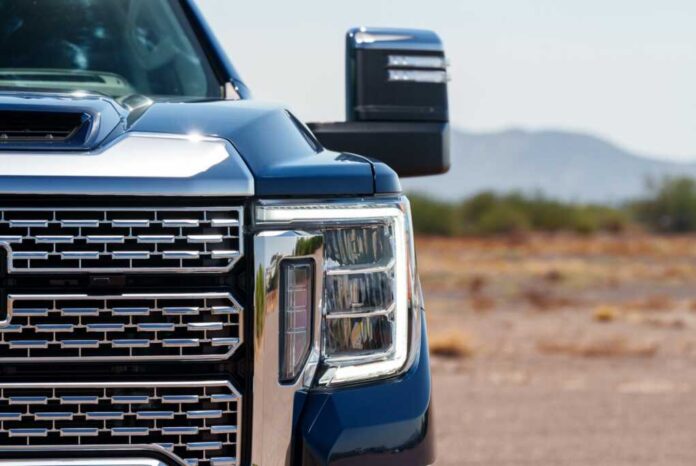
Since the early 2000s, American pickup trucks have steadily grown in size, weight, and hood height—a direct response to consumer demand and marketing that celebrates power and dominance. Hood heights have jumped over 11% and weights by 24% on average, making these vehicles far larger than earlier models. For conservative families who value safety, this trend is alarming: studies now link these design changes to a disproportionate rise in pedestrian deaths and severe injuries for occupants of smaller vehicles. The market’s push for “bigger is better” has come at a cost few anticipated, putting ordinary Americans and their loved ones at risk each time they walk or drive near today’s pickups.
Industry insiders and safety advocates point to a troubling disconnect: while automakers tout compliance with existing standards, those standards have not kept pace with real-world dangers. Reports from Consumer Reports and the Insurance Institute for Highway Safety (IIHS) reveal that pickups are now involved in fatal crashes at rates far higher than cars or SUVs, especially in urban areas where pedestrians are most vulnerable. Even as some manufacturers add advanced safety features, adoption remains inconsistent and many popular trucks still lack basic protections. For working Americans and seniors alike, the regulatory lag feels like a betrayal of common sense and conservative values—placing profits and “woke” marketing over the well-being of families and communities.
Regulatory Inertia and Calls for Reform
Federal agencies such as the National Highway Traffic Safety Administration (NHTSA) have acknowledged the risks but moved slowly. A 2015 proposal to improve pedestrian crash ratings saw little action, and only recently has NHTSA committed to requiring automatic emergency braking (AEB) by 2029. Meanwhile, the IIHS Top Safety Pick+ list for 2025 features just two pickups—a stark indicator that most trucks still fail to meet the highest safety bar. Safety experts argue that without mandatory reforms to hood design and front-end geometry, these risks will persist. For conservatives weary of government overreach, the irony is clear: the rules that should protect American lives are being undermined by bureaucratic inertia and industry lobbying, not by common-sense lawmaking.
Recalls and controversies, most notably those involving the Tesla Cybertruck, further highlight the urgency of the issue. Recent years have seen high-profile reports of design flaws, inadequate crash protection, and poor pedestrian safety ratings. These cases reveal a broader pattern of automakers prioritizing style and marketing over substance. While advanced technologies can help, experts stress that basic design changes—lowering hoods, reducing weight, and improving visibility—would offer immediate benefits. For families, truck owners, and pedestrians, the stakes are clear: the longer regulators and manufacturers delay, the greater the risk to everyday Americans.
Who Bears the Brunt—and What Lies Ahead?
The impact of these hazardous designs is felt most acutely by pedestrians, cyclists, and drivers of smaller cars—groups that include working-class families and seniors who rely on affordable, efficient vehicles. Lower-income communities, often situated in areas with high truck traffic, face disproportionate dangers. The economic costs, from healthcare to insurance, are mounting, and political debates about vehicle regulation now intersect with broader questions of urban planning and transportation equity. While automakers face reputational risk, the real victims are Americans whose safety is sacrificed in the name of market trends and regulatory complacency.
Expert calls out major issues with popular pickup truck design: 'There's no good reason for these to be legal' https://t.co/xC5vSaLZnC
— Mary Jane Anderson (@MaryJan28337231) November 8, 2025
Looking ahead, experts and advocacy groups continue to press for mandatory safety systems and design reforms. Some call for changes to urban infrastructure and lower speed limits, but most agree that only decisive action from regulators and manufacturers will make a difference. For conservatives who value family, self-reliance, and the right to live free from preventable harm, the current situation is unacceptable. The Constitution promises protection of life and liberty—not unchecked corporate influence at the expense of public safety. As the debate continues, truck owners and safety advocates alike must demand better—before another preventable tragedy strikes.
Sources:
Safest Pickup Trucks for 2025 and Their Ratings – MotorTrend
The Hidden Danger of Big Pickup Trucks – Consumer Reports
Why the 2025 Maverick Is Less Safe Than Earlier Years – Maverick Truck Club
2025 Work Truck Safety Study Basics – Work Truck Online