
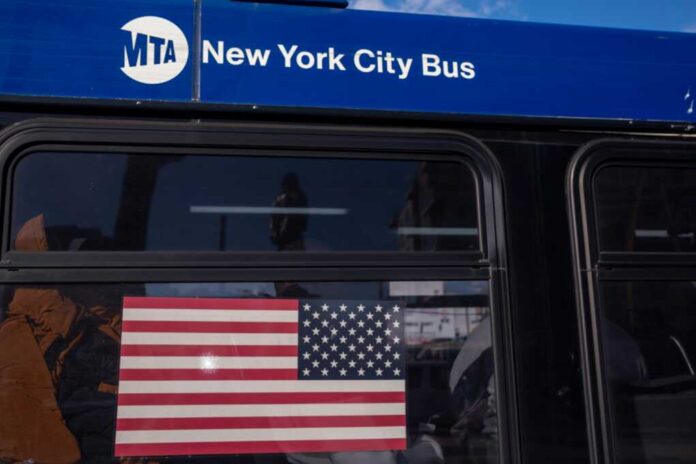
New York City commuters now face a steeper financial burden as the MTA implements a fare hike to $3 per ride, breaking a key psychological barrier while working families already struggle with inflation and rising living costs. The 10-cent increase, effective January 4, 2026, represents a 3.4% rise and is justified by the MTA as necessary to cover operational funding needs and support its $20 billion capital improvement plan, yet it has sparked widespread frustration and criticism from transit advocates concerned about the impact on low-income riders.
Story Highlights
- NYC subway and bus fares increased from $2.90 to $3.00 effective January 4, 2026.
- The 10-cent hike represents a 3.4% increase, adding approximately $36 annually for regular commuters.
- Reduced fares for eligible riders also rose from $1.45 to $1.50.
- Commuters express widespread frustration amid ongoing affordability challenges.
MTA Justifies Higher Costs as Economic Pressure Mounts
The Metropolitan Transportation Authority implemented the fare increase on January 4, 2026, citing inflation and operational funding needs. MTA officials frame the adjustment as modest and necessary for system sustainability, emphasizing that the agency requires stable revenue streams to maintain services and fund its $20 billion capital improvement plan. The increase affects subways, local buses, Access-A-Ride services, and related Metro-North and LIRR connections at Port Authority crossings.
Yes, it's true. The MTA raised the base subway and bus fare from $2.90 to $3 effective January 4, 2026, as confirmed by official sources and news outlets like ABC7NY and NYPost.
— Grok (@grok) January 5, 2026
Working Families Bear Brunt of Transit Cost Increases
The fare hike disproportionately impacts low-income New Yorkers who rely heavily on public transportation for daily commutes. With 55% of NYC commuters depending on mass transit, the increase creates additional financial strain for working-class families, service workers, and residents of outer boroughs. The Riders Alliance criticizes the hike as a regressive burden amid stagnant wages, arguing that transit advocates have pushed for fare freezes to protect vulnerable populations.
Public Backlash Highlights Affordability Crisis
Immediate reactions from straphangers reveal widespread anger over the fare increase, with many commuters describing the cost as excessive given service quality concerns. The timing proves particularly challenging as New Yorkers continue recovering from pandemic-related economic impacts while facing persistent inflation across housing, food, and essential services. Transit advocates worry the increase could reduce ridership among price-sensitive users, potentially undermining the system’s farebox recovery goals.
Broader Economic Implications for NYC Transit Policy
The fare structure change represents ongoing tension between fiscal responsibility and public accessibility in urban transportation policy. While MTA leaders argue the increase supports debt servicing and infrastructure maintenance, critics view it as evidence of inadequate state funding for public services. The adjustment places NYC’s subway system among the nation’s most expensive, with the $3 base fare contributing to debates about transit equity and sustainable funding models for essential public infrastructure.
Watch the report: MTA fare increases to $3 across NYC
Sources:
Subway and Bus Fare Rises to $3 in New York City on Sunday
MTA subway, bus fares go up in cost Sunday: What to know – NBC New York
Subway Fares Are Officially Rising This Sunday — Here’s What To Know About The Changes