
The devastation from Hurricane Melissa in Haiti is yet another reminder of the catastrophic consequences of inadequate infrastructure and political instability.
Story Highlights
- Hurricane Melissa has claimed at least 25 lives in Haiti.
- Severe flooding and infrastructure collapse have displaced thousands.
- International aid efforts are underway amid ongoing challenges.
- Haiti’s vulnerability to natural disasters is exacerbated by political and economic instability.
Hurricane Melissa’s Impact on Haiti
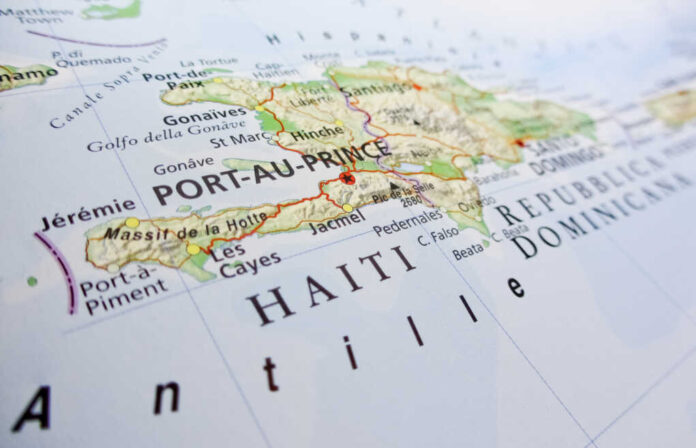
On October 30, 2025, Hurricane Melissa, a Category 4 storm, made landfall in southern Haiti, resulting in at least 25 confirmed deaths. The hurricane’s powerful winds and torrential rains have caused widespread devastation, including severe flooding and the collapse of critical infrastructure. Thousands have been displaced from their homes, seeking refuge in overcrowded shelters.
The Haitian government has declared a state of emergency and is appealing for international assistance to address the humanitarian crisis. The United Nations and the Red Cross are among the international organizations deploying emergency teams to provide relief and support. However, the distribution of aid is hampered by the damaged infrastructure, making it difficult for relief supplies to reach the hardest-hit areas.
Haiti’s Chronic Vulnerability
Haiti’s susceptibility to natural disasters is well-documented, with its mountainous terrain and deforestation exacerbating the impact of hurricanes. The country’s political instability and chronic poverty further weaken its disaster preparedness and response capabilities. Previous disasters, such as Hurricane Matthew in 2016 and the 2010 earthquake, have highlighted the catastrophic potential of major natural events in the region.
Experts emphasize the role of climate change in intensifying hurricanes, pointing to increased sea surface temperatures as a contributing factor. The situation in Haiti underscores the urgent need for resilient infrastructure and effective governance to mitigate the impacts of future disasters.
International Aid and Future Challenges
While international aid efforts are crucial in the immediate aftermath of Hurricane Melissa, the long-term recovery will require substantial investment in infrastructure and governance. The risk of disease outbreaks, such as cholera and dengue, looms large due to poor sanitation and overcrowded shelters. Economic challenges, including crop destruction and loss of livelihoods, are likely to exacerbate poverty and food insecurity.
🇭🇹 At least 25 dead in Haiti as Hurricane Melissa continues destructive path.
The ‘storm of a century’ has torn through the Caribbean, with Jamaica, Haiti and Cuba worst affected.
— Sada Bidari (@JamesSada007) October 30, 2025
The Haitian government, along with international partners, must prioritize building local capacity and community-based disaster preparedness to ensure a sustainable recovery. The international community’s support, coupled with local engagement, will be critical in addressing the immediate humanitarian needs and fostering long-term resilience in Haiti.
Sources:
UN OCHA Situation Report, Oct 31, 2025
IFRC Disaster Response Update, Oct 31, 2025
Reuters, AP, BBC News, Oct 30-31, 2025
IPCC Sixth Assessment Report (2021)