
A sweeping new immigration law unleashes unprecedented enforcement tactics, stirring alarm among conservatives over threats to constitutional rights and family values.
Story Snapshot
- Trump’s 2025 immigration overhaul expands federal and local enforcement powers, fueling mass deportations.
- “One Big Beautiful Bill Act” injects billions for detention centers, enforcement, and expedited removals.
- Due process and humanitarian protections face erosion, raising fresh constitutional concerns.
- Conservative families fear destabilization as legal immigrants lose access to essential benefits.
Trump’s Second Term: Immigration Overhaul Reshapes America’s Landscape
President Donald J. Trump’s second term began with an aggressive push to remake America’s immigration system, fulfilling campaign promises that resonated with conservatives wary of past left-leaning policies. The administration immediately issued executive orders and signed landmark legislation, empowering federal agencies and local police to ramp up enforcement, accelerate deportations, and close gaps previously exploited under the Biden administration. Supporters argue these moves safeguard national sovereignty and restore law and order, but critics warn of overreach and threats to due process.
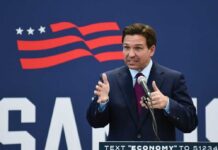
🚨BREAKING: Tom Homan just confirmed that they are TRIPLING the deportation efforts in every sanctuary city nationwide!
This is HUGE!!!
"As a matter of fact, in every sanctuary city, we are going to triple the workforce. We are going to flood the zone with officers."
"If we… pic.twitter.com/GRHLkiMWdQ
— Gunther Eagleman™ (@GuntherEagleman) May 6, 2025
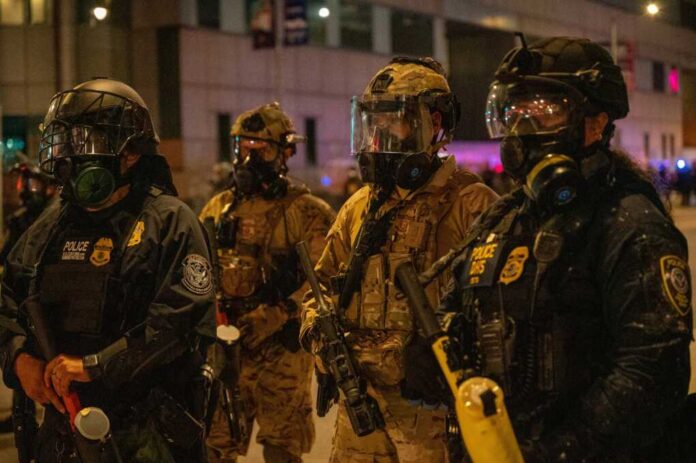
The “One Big Beautiful Bill Act” (OBBBA), signed on July 4, 2025, delivers $170 billion for detention and deportation, quadrupling Immigration and Customs Enforcement’s annual budget. The law funds dramatic expansion of detention centers, including facilities for families, and boosts resources for federal agents conducting indiscriminate raids. OBBBA also strips lawfully present immigrants of access to health insurance and nutrition aid, denying millions of children anti-poverty benefits. Proponents claim these measures deter illegal immigration and protect taxpayers, while opponents decry the humanitarian impact and risk of family separation.
Federal and Local Enforcement Powers Reach New Heights
The Trump administration now leverages state and local police to enforce federal immigration law at unprecedented levels. Through the 287(g) program, law enforcement officers nationwide are deputized to investigate, apprehend, and detain noncitizens, incentivizing aggressive tactics and raising concerns of racial profiling. Federal funding is cut off to sanctuary jurisdictions that resist cooperation, pressuring local governments to aid mass deportation efforts. The administration also deploys military personnel to seal borders and maintain territorial integrity, a move hailed by some as long overdue but challenged by others as excessive and constitutionally questionable.
Executive orders have eliminated parole programs for vulnerable populations and expanded expedited removal proceedings. Noncitizens apprehended anywhere in the U.S. now face summary deportation without judicial hearings if they cannot prove two years of continuous presence. The administration closed down safe mobility offices in Latin America, ending orderly processing for asylum claims, and imposed steep fees on asylum seekers, further restricting legal pathways for those fleeing danger. These actions, justified as necessary for national security, risk undermining fair process and trigger alarm among constitutional conservatives.
Due Process, Family Stability, and Constitutional Concerns
OBBBA and Trump’s executive actions have triggered alarm among legal experts and family advocates over due process erosion and threats to American constitutional values. Rapid-fire deportations, expanded detention, and aggressive raids increase the risk of wrongful removals and family separations, echoing the zero tolerance policy from Trump’s first term. The law mandates minimum non-waivable fees for asylum applications and penalizes border crossings with steep fines, effectively limiting relief for those seeking protection. Restrictions now bar many immigrants from accessing health and nutrition programs, destabilizing families and communities that conservatives have long championed.
Amid these sweeping changes, constitutional debates intensify. An executive order seeks to restrict birthright citizenship, directly challenging the 14th Amendment and stirring fierce opposition from legal scholars. Critics argue the administration’s expansive use of executive power and rapid legislative changes undermine fundamental fairness, due process, and the rule of law. For constitutional conservatives, the battle lines are drawn—not just over immigration, but over the very principles that define American democracy.
Sources:
The Trump Administration’s 2025 Changes to Immigration Law
Project 2025: What’s At Stake for Immigrants’ Rights
Ten Harmful Trump Administration Immigration and Refugee Policies
The Anti-Immigrant Policies in Trump’s Final “Big Beautiful Bill …
Protecting The American People Against Invasion – The White House
The Trump Administration Moves to Reinstate Restrictions on Legal …
100 days of immigration under the second Trump administration