

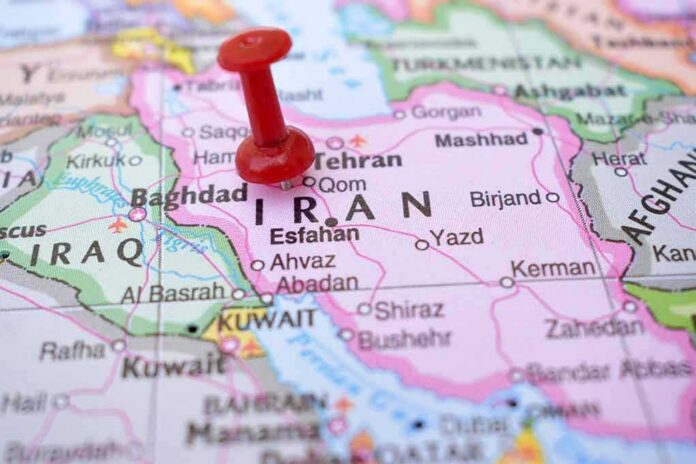
As Washington and Tehran edge toward a new nuclear deal, inspectors still cannot verify where all of Iran’s enriched uranium is or how much is in play.
Story Snapshot
- International Atomic Energy Agency reports show Iran holds uranium far above past deal limits, including to 60 percent.
- Inspectors say unresolved questions remain about undeclared sites and whether related nuclear material is outside oversight.
- Talks appear to hinge on tougher monitoring and access rather than promises alone, echoing lessons from the 2015 deal.
- Verification gaps from recent attacks and restricted access make any rapid, ironclad audit hard to deliver.
What the inspectors say about Iran’s nuclear material
The International Atomic Energy Agency reported that Iran’s enriched-uranium stockpile reached an estimated 9,874.9 kilograms as of mid-June 2025, including about 440.9 kilograms enriched up to 60 percent uranium-235, well beyond past deal limits. The Agency also described months when it could not fully access some sites or independently verify all material after attacks disrupted operations and safety conditions. These figures and limits frame today’s talks and the risks each side is trying to reduce.
The Agency’s leadership also flagged older sites where man-made uranium particles were found—Varamin, Marivan, and Turquzabad—and said those locations were part of an undeclared program in the early 2000s. Inspectors said they could not determine whether related nuclear material remains outside safeguards today. That uncertainty alarms many in Washington and in allied capitals. It also fuels claims in Tehran that politics, not facts, drive Western pressure.
Why verification, not trust, is the deal’s core
The International Atomic Energy Agency Director General said diplomacy must be “strongly backed” by an Agency verification plan. This aligns with how the 2015 nuclear deal worked when it was in force. From 2016 to 2019, inspectors verified and monitored Iran’s nuclear promises under set rules for access, enrichment caps, centrifuge counts, and stockpile size. That record offers a template: clear technical limits, real-time monitoring, and quick checks to catch small breaches before they grow.
Yet talks face hard realities. Inspectors say post-attack gaps and restricted entry leave parts of Iran’s program unverified, including some stockpiles. Any U.S. plan that demands instant, wall-to-wall access will meet practical obstacles and political pushback. That tension—what is needed for safety versus what is possible on the ground—hangs over the negotiations. It also feeds public doubt that elites will trade firm enforcement for short-term calm.
What each side could trade to lower risk
Negotiators could seek a step-by-step plan. First, restore access so inspectors can count enriched uranium and confirm where it sits. That means physical inventory checks, environmental sampling, and sealed storage where needed, with a public Board report to show the math. Second, test whether Iran will cap enrichment below current levels and blend down or export higher-grade stock with inspector seals and chain-of-custody records. These steps would shrink the risk of a rapid sprint.
Third, renew stronger reporting rules on new nuclear sites and gear, so hidden facilities are harder to build without notice. Fourth, place continuous monitors and short-notice visits at sensitive points, like centrifuge shops and enrichment halls, to spot diversion early. Finally, separate nuclear checks from wider fights over missiles, proxies, and shipping lanes, so progress on safeguards does not stall over unrelated disputes. Each move would aim at facts on the ground, not trust.
Politics, pocketbook pressures, and public trust
Americans on the right and left worry that secret talks and soft rules let elites paper over danger. They also worry that war risks and oil shocks will hit families while officials argue. The inspection record cuts both ways. It shows serious breaches of past limits and missing answers on undeclared sites. It also shows that inspectors can lock in real data when given access, as they did from 2016 to 2019. The choice is stark: verifiable limits, or rising guesswork.
Bottom line: what to watch in the coming days
Watch for concrete inspection steps announced in public, not vague promises. Look for a dated plan to verify the current stockpile and locations, with results released by the International Atomic Energy Agency Board. Track whether enrichment at 60 percent drops and whether any high-grade material is blended down under seals. If talks deliver access, data, and timelines, risk falls. If not, the gap between warnings and proof will grow—and so will the chance of miscalculation.