

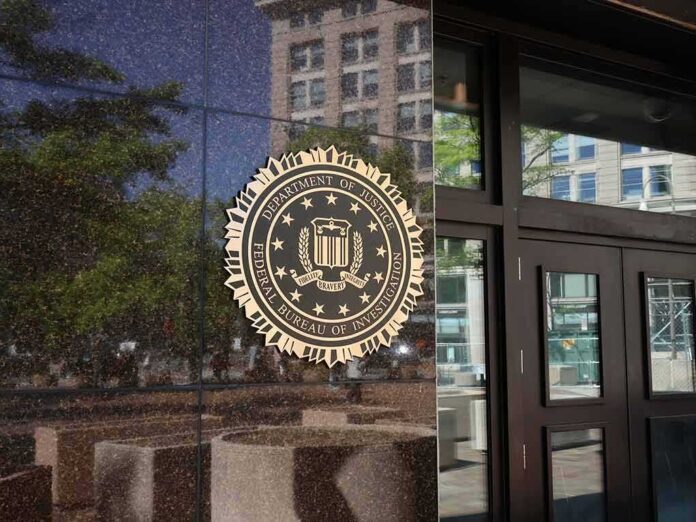
Federal prosecutors say a coordinated intimidation campaign targeted Jewish community leaders and University of Michigan officials, pushing campus protest far past lawful speech into alleged threats and property attacks.
Story Snapshot
- Superseding federal indictment names 12 defendants in an alleged intimidation conspiracy in Michigan.
- Targets allegedly included University of Michigan leaders, a police lieutenant, businesses, and the Jewish Federation of Metropolitan Detroit.
- Prosecutors describe threats, vandalism, and chemical-filled jars thrown into homes; all charges remain allegations.
- One defendant previously worked briefly for Abdul El-Sayed’s campaign; the campaign denies any link to the alleged acts.
Federal Case Alleges Organized Intimidation, Not Isolated Protest
The United States Attorney’s Office for the Eastern District of Michigan announced a superseding indictment charging twelve people with a coordinated conspiracy. Prosecutors say the group aimed to pressure the University of Michigan and private groups to cut ties they saw as linked to Israel. The earlier indictment listed eight defendants, but the new filing adds four more and broadens the scope. Authorities frame the case as organized coercion, not protected protest. Defendants remain presumed innocent under the law.
The government’s description points to planning and coordination tools. The filing says the defendants used encrypted messaging, social media, and overseas collaboration platforms to research, select, and track targets. That claim, if backed by admissible records, could tie separate acts together into one plan. The use of digital tools matches patterns seen on campuses since 2023, where activism and intimidation sometimes blur. The exact messages and device data have not been released publicly at this stage.
Alleged Tactics and Targets Across Campus and Community
Prosecutors describe a set of acts that move beyond speech. The indictment alleges threatening spray paint, broken windows, and glass jars with noxious substances thrown into family homes. The listed targets include two University of Michigan regents, university leaders, a university police lieutenant, a student, businesses, and the Jewish Federation of Metropolitan Detroit. These allegations, if proven, would show intent to frighten people at work and at home. The filing does not assign each act to each person publicly.
Law enforcement argues the goal was clear: force the university and others to sever perceived Israel affiliations through fear. That claim tracks with a broader national struggle on campuses over divestment and speech boundaries. News reports indicate more people were added in October after an earlier June action. An Associated Press summary likewise described added charges against four more activists in the same alleged scheme. None of this is a verdict; trials or pleas will decide outcomes.
Campaign Connection Surfaces, But Evidence Shows No Organizational Link
One defendant, Mariam Muhammed Odeh, is described in media reports as a former hourly employee on Abdul El-Sayed’s United States Senate campaign. National Review reported she was paid for brief work and received a later back payment after a records correction. The indictment does not claim the campaign directed any acts. El-Sayed’s team says she was hired in February and left April 15, and that the campaign had no knowledge of the alleged activity when she was onboarded.
Really! This is the 💩democrats are want in office. Always busted on corruption, here’s the latest please fact check it!
🚨 BREAKING: FEDERAL INDICTMENT CONNECTED TO ABDUL EL-SAYED’S FORMER CAMPAIGN EMPLOYEE! Mariam Odeh, 24, a former paid campaign worker for Michigan Democratic…
— Marc Twain (@MarcTwainsr) November 2, 2026
El-Sayed publicly rejected targeting people or property and argued that justice in these cases can feel uneven. He drew a line between protected advocacy and illegal threats or damage. That tension sits at the heart of the case: when does protest cross into crime? Federal prosecutors say the line was crossed through coordinated threats and attacks. Defense teams will likely challenge the digital evidence, individual roles, and intent. Courts will test those claims in the months ahead.
Sources:
thegatewaypundit.com, justice.gov, m.dailyadvent.com, legalinsurrection.com, breitbart.com, townhall.com