

An envelope with white powder reached a California congressman’s office, triggering an evacuation and an active federal probe.
Story Snapshot
- Rep. Jimmy Panetta’s Santa Cruz office received and opened an envelope with white powder on Oct. 16.
- Staff evacuated and called 911 as federal investigators began testing the substance.
- The Federal Bureau of Investigation (FBI) says similar letters have reached congressional offices nationwide.
- Most white-powder scares prove nonhazardous, but responders treat each as a real threat.
What Happened In Santa Cruz
Rep. Jimmy Panetta’s office in Santa Cruz reported that a staff member opened an envelope with a white powdery substance on the morning of October 16, 2026. The office said staff followed safety steps, cleared the area, and called 911. Local responders and federal partners took over and began testing the substance. The office was briefly evacuated while crews worked. Panetta described the incident in a same-day statement and thanked first responders for their quick action.
The Kansas City Star reported the evacuation and confirmed it stemmed from an envelope with suspicious white powder. The report said the incident affected Panetta’s California district office and that officials treated the item as hazardous until proven safe. That matches how law enforcement handles unknown powders sent through the mail. Agencies aim to reduce risk to staff, neighbors, and the public during the first hours after discovery.
A Broader Series Of Suspicious Letters
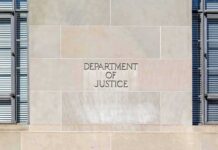
The Federal Bureau of Investigation said it is investigating suspicious mail sent to multiple congressional offices in California and other parts of the country. Some letters contained unidentified substances. The bureau said it is working with partners to test and track the mailings. Local news also reported a similar hazmat response at Rep. Kevin Kiley’s Rocklin office, showing the pattern is not limited to one district or party in California.
Officials and news reports this week linked the congressional mailings to a larger set of letters sent to offices around the nation. The Federal Bureau of Investigation and the United States Postal Inspection Service have coordinated the response and testing. Three law enforcement sources told NBC News that early tests on some samples showed they were not hazardous, though full results can take more time. Agencies continue to advise caution for any suspicious mail.
Why The Response Was So Swift
First responders treat white-powder mailings as real threats because of the 2001 anthrax attacks. Those letters sickened 22 people and killed five. That event set clear rules for handling unknown substances in mailrooms and offices. The Federal Bureau of Investigation has explained that thousands of powder scares occurred in the years after, leading to hundreds of full investigations, even though many cases turned out to be hoaxes or harmless materials.
Law enforcement guidance still calls for quick isolation, evacuation, and testing when powder is found. The Federal Bureau of Investigation has noted that it responded to about 2,500 reports in 2002 involving the use or threatened use of biological agents, with full investigations opened in 305 of those. This history explains why responders in Santa Cruz moved fast and cleared Panetta’s office after the envelope was opened.
Public Safety, Politics, And Trust
People across the political spectrum see mail scares like this as proof that our systems feel brittle. Staffers doing daily work should not face hazmat evacuations. Voters expect leaders and agencies to keep offices safe and to find whoever sends threats, real or fake. The Federal Bureau of Investigation’s multi-state probe aims to do that. Quick, steady updates can help the public understand the risk and see that officials are acting with care and speed.
Envelope of ‘suspicious white powder’ sent to California congressman, office evacuated https://t.co/4pYZp52Q0B
— MercedSunStar (@MercedSunStar) October 17, 2026
Most white-powder scares end with relief, not tragedy, but they drain time and money. They also raise fear and deepen fatigue with government. The best defense is simple and steady: train staff, spot warning signs, isolate the item, call 911, and let experts test. That is what happened at Panetta’s office. It shows how basic safety steps still protect people while investigators work to trace the letters and hold the sender accountable.
Sources:
nypost.com, kcra.com, cbsnews.com, apnews.com, archives.fbi.gov, syracuse.com, votebeat.org