
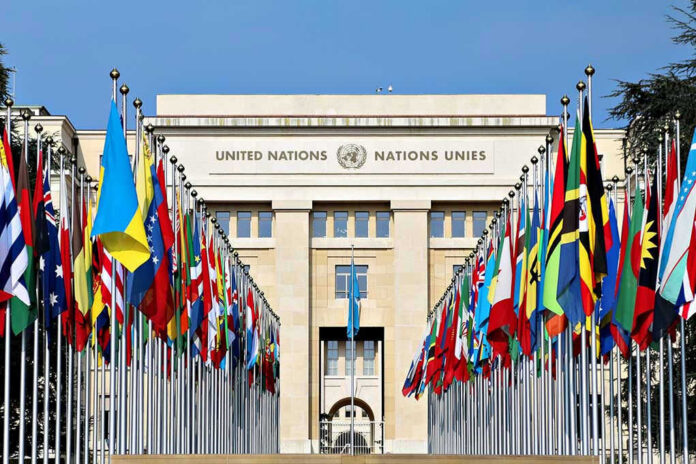
Dozens of United Nations delegates walked out and New York police made arrests as Israel’s leader defended his war policy at the General Assembly, turning a routine speech into a public test of global trust.
Story Snapshot
- Prime Minister Benjamin Netanyahu faced a walkout by many delegations during his speech at the United Nations.
- Protesters rallied outside United Nations headquarters; police made arrests, including some well-known figures.
- Netanyahu defended Israel’s actions in Gaza and the region as necessary for security.
- Walkouts at the United Nations have become a common diplomatic signal on polarizing issues.
Walkout Inside the Hall Signals Sharp Diplomatic Dissent
United Nations delegates left their seats as Prime Minister Benjamin Netanyahu began speaking on September 24, 2026. Reuters described “dozens” streaming out as the Israeli leader defended Israel’s actions in Gaza and beyond. The exits did not stop the speech, but they sent a visible message on the world stage. Such gestures carry weight at the United Nations because they show public disagreement without derailing the formal meeting.
Netanyahu pressed his case that Israel’s military moves are aimed at national defense. He argued critics misread Israel’s choices and motives during war. The address came as Israel faces growing pressure over civilian harm and strategy. The visible protest inside the chamber highlighted how far opinions have split among member states. It also underscored how speeches now serve as both policy defense and political theater before a global audience.
Street Protests Underscore Domestic and Global Frustration
Outside the United Nations, New York police arrested at least 30 people as crowds rallied during and ahead of the speech. Reuters reported that actors and politicians were among those detained near the complex. Photos captured large banners, chants, and counter-protests. Demonstrators demanded a change in Israel’s policy and pressed American leaders to use leverage. The scene reflected a broader pattern: when leaders speak inside, the public often mounts a parallel response outside.
Local outlets and wire services documented hundreds in the streets, some marching and some blocking areas near the venue. The protests mirrored the sharp debate worldwide over Gaza and the rules that govern war. Organizers said they wanted to show solidarity with civilians and to keep pressure on officials. Police said arrests followed orders to clear restricted zones and keep traffic moving. Many protesters framed the day as a stand for human rights and accountability.
Why Walkouts Have Become a Go-To Diplomatic Tool
Reporters and analysts described walkouts as a now-regular practice at the United Nations General Assembly. The New York Times called them “something of a tradition” in recent years, used by countries to register protest without a floor fight. Delegates weigh costs and benefits. Staying signals respect for process; leaving signals a red line. The act is symbolic, but it travels fast on camera. It shapes headlines and gives home audiences a clear, simple image of dissent.
Netanyahu defended Israel's military actions at the UNGA on Sept 24, 2026, asserting settlers are law-abiding citizens and the army is moral, as delegates staged a walkout. This came amidst protests leading to arrests including Susan Sarandon. pic.twitter.com/wDYw4es987
— SamPidia (@PidiaSam) September 25, 2026
This mix of symbolic dissent inside and organized protest outside points to a wider loss of trust. Many people in the United States, across party lines, feel global bodies and national leaders talk past the public. They see speeches, not solutions. They see arrests, not answers. That sentiment crosses old political lines. It reflects fear that elites protect their own power while everyday people carry the burden of war, higher costs, and a sense that rules apply unevenly.
What This Means for Policy and Politics Next
For Israel, the walkout fuels claims of diplomatic isolation and raises pressure to show concrete steps that reduce civilian harm. For the United States, whose leaders also face protests over foreign policy, the day adds to demands for clearer goals and guardrails. For the United Nations, the event shows both its value and its limits. It remains a stage where nations air disputes in public, but not always a place where they find common ground or set enforceable rules.
Sources:
youtube.com, reuters.com, nytimes.com