
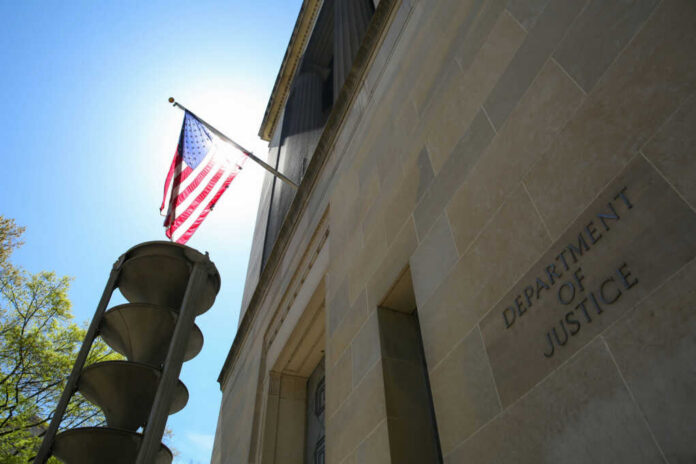
The Trump administration’s Department of Justice has launched federal lawsuits against multiple blue states for granting undocumented immigrants in-state tuition and financial aid benefits that out-of-state American citizens cannot access.
Story Snapshot
- DOJ filed lawsuits against six Democratic-led states including Illinois, New Jersey, Virginia, Minnesota, Nebraska, and California for providing in-state tuition to undocumented immigrants
- Federal prosecutors argue state policies violate federal law by treating out-of-state U.S. citizens worse than undocumented residents
- Attorney General Pam Bondi states the lawsuits aim to prevent American students from being treated like “second-class citizens”
- The DOJ previously succeeded in ending similar policies in Texas, Kentucky, and Oklahoma
Federal Challenge to State Education Policies
The Department of Justice filed complaints in federal court against Illinois and New Jersey in May 2026, targeting state laws that extend in-state tuition rates and financial aid to undocumented immigrants. The lawsuits name governors, state attorneys general, and university boards as defendants. Federal prosecutors contend these policies create a two-tiered system where undocumented state residents receive better treatment than American citizens living in other states. The legal action follows President Trump’s April 2025 executive order directing the DOJ to challenge state laws providing benefits to undocumented immigrants unavailable to U.S. citizens.
Federal Law Interpretation Driving Litigation
The DOJ grounds its legal argument in federal statute prohibiting states from providing post-secondary education benefits based on residency to aliens not lawfully present unless identical benefits extend to all U.S. citizens regardless of residency. Assistant Attorney General Brett Shumate characterized the issue as straightforward compliance: colleges cannot provide benefits to undocumented individuals that they withhold from U.S. citizens. The complaints seek declaratory judgments that state laws are preempted by federal law and permanent injunctions preventing their enforcement. This interpretation marks a sharp departure from previous administrations that allowed states broader discretion in education policy.
State Policies Under Federal Scrutiny
Illinois Governor J.B. Pritzker signed legislation in August 2025 extending student financial aid to undocumented immigrants and transgender students disqualified from federal aid for failure to register for selective service. New Jersey maintained similar policies for over a decade without federal challenge until the Trump administration’s aggressive enforcement posture emerged. U.S. Attorney Steven Weinhoeft called Illinois’s approach a “race to the bottom” that treats undocumented aliens better than U.S. citizens living in other states. The policies allow undocumented state residents to pay lower tuition than American citizens from neighboring states, creating what federal prosecutors view as discrimination against Americans.
Implications for Students and Universities
Undocumented immigrant students in targeted states face potential loss of in-state tuition benefits and financial aid eligibility if the DOJ prevails. State universities must prepare to revise admissions and financial aid policies pending litigation outcomes, creating administrative burdens during an already complex period. Out-of-state U.S. citizens could benefit if undocumented residents lose access to reduced tuition rates. The litigation also imposes increased legal costs on state governments defending challenged laws. Federal enforcement represents a fundamental shift in state authority over education policy and residency-based benefits, potentially setting nationwide precedent for federal preemption of state immigrant benefit policies.
The Trump administration’s prior success in Texas, Kentucky, and Oklahoma demonstrates the DOJ’s capacity to force policy reversals in states that provided similar benefits. Attorney General Bondi emphasized the administration’s commitment to “relentlessly fighting to vindicate federal law” across multiple states. The litigation reflects broader tensions between federal immigration enforcement priorities and Democratic-led states’ social policy initiatives. As cases progress through federal courts, the outcomes will determine whether states retain flexibility to extend education benefits regardless of immigration status or whether federal law compels uniform treatment that potentially disadvantages undocumented students seeking higher education access.
Sources:
DOJ moves to block blue state from giving financial aid to illegals – Fox News
DOJ sues N.J. over in-state tuition, immigrant eligibility laws – New Jersey Globe