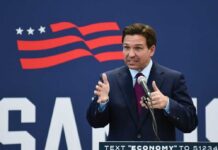


Trump’s renewed threat to terminate New York City’s congestion pricing program has ignited a fierce battle over federal power, local autonomy, and the cost of living for everyday Americans.
Story Snapshot
- President Trump vows federal action to abolish NYC’s congestion pricing, calling it a “disaster” for working families and small businesses.
- Governor Hochul defends the policy, citing reduced traffic and increased business activity, while legal battles escalate in federal court.
- Federal funding for New York is at risk as Trump and Transportation Secretary Duffy threaten financial retaliation against the state.
- Manhattan commuters, suburban drivers, and local businesses face rising tolls amid a nationwide debate on urban transportation policy.
Trump’s Direct Challenge to New York Policy
In November 2025, President Donald Trump reignited his campaign against New York City’s congestion pricing with a pointed Truth Social post, calling the policy “devastating” and threatening to cut off federal funds if Governor Kathy Hochul continues the $9 toll for vehicles entering Manhattan’s core. Trump’s intervention highlights escalating federal-state tension, framing the issue as an economic and social disaster for working families, commuters, and small businesses. By leveraging federal power, Trump aims to rally suburban and commuter voters frustrated by policies they view as government overreach and fiscal irresponsibility.
Governor Hochul responded by defending congestion pricing, touting early data that shows reduced traffic and increased business activity downtown. Hochul emphasized the program’s environmental and transit benefits, insisting that New York will “see them in court” if the federal government intervenes. The Metropolitan Transportation Authority (MTA), which relies on toll revenue to fund critical transit improvements, reported significant progress toward its $500 million annual goal. Despite these claims, many commuters and business owners remain skeptical, arguing the toll disproportionately impacts working-class families and threatens city accessibility.
Legal and Political Showdown Intensifies
The dispute quickly moved into the courts, where a federal injunction currently prevents the Department of Transportation from withholding funds over the program. Trump and Transportation Secretary Sean Duffy have signaled willingness to challenge this order, escalating the conflict between federal authority and local governance. The legal battle is poised to set precedent for future urban transportation policies nationwide, with both sides digging in for a protracted fight. Political rivals, including local figures like Staten Island Borough President Vito Fossella and Rep. Nicole Malliotakis, have joined Trump’s opposition, amplifying calls to end what they describe as an unfair tax on commuters.
Early results from the congestion pricing program show mixed outcomes. Transit advocates point to reduced vehicle traffic, improved air quality, and faster commercial deliveries, suggesting the policy delivers on its promises. However, critics highlight equity concerns, arguing the toll burdens working families and small businesses while failing to address deeper fiscal mismanagement. Rideshare companies, including Uber and Lyft, have largely supported the program, anticipating increased demand for their services. The broader impact on Manhattan’s economy remains contested, with some sectors reporting increased activity and others fearing reduced customer access.
Impact on Conservative Values and Future Urban Policy
For many conservative Americans, Trump’s stance represents a defense of core principles: limited government, individual liberty, and economic opportunity. The threat to restrict federal funding underscores the leverage Washington holds over state policies, raising questions about the proper scope of federal intervention. As legal battles continue, the outcome will shape not only New York’s future but also the trajectory of urban transportation policy nationwide. The clash between local autonomy and federal authority is a defining issue, with implications for gun rights, constitutional protections, and the fight against what many see as irresponsible government agendas. The frustration of everyday Americans—facing rising costs, government overreach, and policies perceived as out of touch—remains at the center of this unfolding drama.
Trump threatens to ‘terminate’ NYC congestion pricing in brutal takedown of Hochul: ‘The entire State is going to hell’ https://t.co/IrilheZOZT pic.twitter.com/UP8JbobA4R
— New York Post (@nypost) November 3, 2025
The coming months will be critical for commuters, businesses, and policymakers. Legal challenges, economic data, and political pressure will determine whether congestion pricing survives or falls to federal intervention. As President Trump continues to champion conservative values and challenge Democratic leadership, his actions in New York may set the tone for similar battles in cities across America.
Sources:
Trump Renews Push To Scrap NYC Congestion Fee, Says It’s Killing The City – Benzinga
Trump calls to end congestion pricing in NYC – amNewYork
NYC congestion pricing: President Trump says he will try to kill city’s tolling system in Truth Social post – ABC7NY
Trump says he is looking to terminate congestion pricing – Audacy