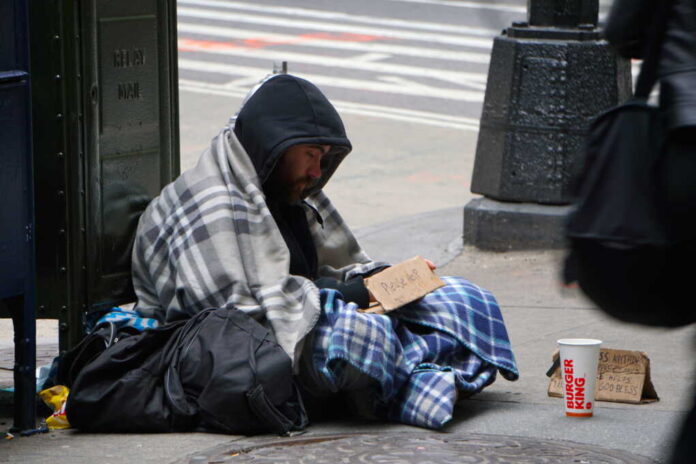
A state judge’s decision to block a controversial “low-barrier” homeless shelter just five feet from an elementary school marks a crucial victory for families and community advocates alarmed by policies that put child safety at risk.
Story Snapshot
- Judge halts city-run shelter for ex-cons and addicts directly beside a Lower Manhattan elementary school.
- Community outrage surged after minimal notification and lack of public input in the shelter’s approval process.
- The “low-barrier” model would have allowed individuals with criminal records and substance abuse issues to reside next to young children.
- Legal intervention underscores growing scrutiny of policies that sideline local voices and threaten neighborhood security.
Judicial Ruling Blocks Controversial Shelter Near School
In September 2024, a New York state judge halted the city’s plan to open a homeless shelter at 320 Pearl Street, a former hotel physically attached to P.S. 343, the Peck Slip School. This “low-barrier” shelter was set to accommodate individuals with criminal backgrounds, substance abuse issues, and possibly registered sex offenders, sparking widespread concerns among parents, teachers, and local residents. The proximity, just feet away from a pre-K and elementary school serving about 400 students, amplified fears over safety and the appropriateness of the city’s approach.
The city’s Department of Social Services (DSS) and Slate Property Group reached a lucrative agreement to convert the hotel into a 106-bed shelter in late 2023. Community Board 1 and local families were notified about the project only days before the end of the school year, leaving little time for public discussion or input. Throughout the summer, residents and school parents organized protests and issued public statements, accusing city leaders of irresponsibly prioritizing rapid shelter expansion over established neighborhood safety and transparency practices.
Community Backlash and Transparency Concerns
Community opposition intensified as details emerged about the shelter’s low-barrier model, which minimizes screening and allows quick admission for individuals with complex needs, including ex-convicts and those struggling with addiction. Critics, including Community Board 1 Chair Tammy Meltzer, cited the lack of detailed background checks and questioned the suitability of the location. Allegations of inadequate community notification and a rushed approval process further fueled outrage, with many residents feeling their concerns had been dismissed or ignored by city officials in the name of expediency.
The backlash was not limited to parents; local leaders and the Southbridge Towers community, with a history of resisting disruptive developments, mobilized to demand greater accountability. They argued that the city’s emergency procurement and expedited siting process circumvented meaningful public review, setting a dangerous precedent for future shelter placements. Community Board 1, in particular, advocated for a more responsible and consultative approach, emphasizing the need for transparent decision-making that respects local input and safeguards family values.
Legal, Social, and Policy Implications
The state judge’s intervention brought immediate relief to families and residents concerned about child safety. The ruling also disrupted city plans to expand shelter capacity in Lower Manhattan, underscoring the limits of top-down policymaking that disregards community voices. Legal experts and urban policy analysts note that this case may trigger increased scrutiny and legal challenges for future shelter sitings, especially those near schools or residential buildings. Short-term, the project’s halt prevents the shelter from opening at 320 Pearl Street; long-term, it could reshape how cities balance homelessness policy with neighborhood security and public input.
Judge Engeron got 1 right. https://t.co/JIocfMw1v6
— aef (@aef2o22) September 7, 2025
Financially, the decision impacts both Slate Property Group, which stood to gain from a $51 million contract, and city agencies responsible for addressing homelessness. Socially and politically, the case has heightened debate over the “low-barrier” shelter model and the risks of government overreach in sensitive locations. While advocates for the homeless argue that opposition stems from stigma, parents and community leaders maintain that their concerns are rooted in legitimate safety and procedural issues. As scrutiny of shelter siting grows, this judicial ruling serves as a pivotal check on policies that threaten core conservative values—protecting children, maintaining local control, and defending community standards against radical urban experiments.
Expert Perspectives and Broader Impact
Urban policy experts agree that addressing chronic homelessness requires compassionate solutions, but caution that shelter siting must account for neighborhood dynamics and public safety. Academic commentary stresses the importance of balancing service provision with careful integration into communities, especially near schools. Legal analysts emphasize that transparent, participatory processes are essential to sustain public trust and prevent future conflicts. The broad consensus across local news outlets and professional commentary is that the judge’s ruling reflects both the necessity of legal oversight and the enduring strength of grassroots advocacy in defending family and community priorities from top-down government actions.
Sources:
Low-barrier homeless shelter plan in Lower Manhattan draws intense backlash
Opposition grows to proposed Pearl Street homeless shelter
Judge blocks NYC opening ‘insane’ homeless shelter
Community Board, Parents Protest Homeless Shelter Adjacent to School
Judge blocks NYC from opening ‘insane’ homeless shelter 5 feet from Manhattan grade school