

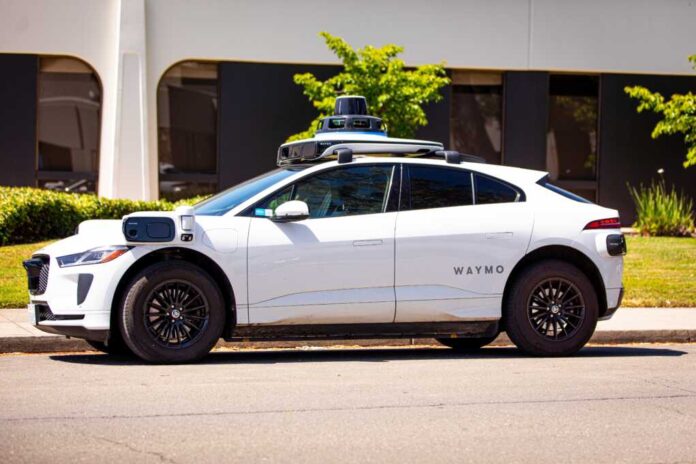
A recent, extraordinary event in San Francisco has added a new, positive dimension to the heated public discourse surrounding autonomous vehicles (AVs). When a woman unexpectedly gave birth inside a Waymo self-driving taxi en route to the hospital, the incident not only showcased the vehicle’s capability to ensure timely arrival at a crucial destination but also highlighted Waymo’s advanced remote monitoring and intervention systems. This unexpected birth has forced a new perspective on AV safety and reliability, contrasting sharply with previous negative publicity, while simultaneously reigniting questions about data privacy and the future of emergency protocols in driverless transport.
Story Highlights
- A woman gave birth inside a Waymo self-driving taxi in San Francisco.
- Waymo’s support team detected “unusual activity” and contacted 911.
- The robotaxi arrived at the hospital before emergency services.
- This event contrasts with previous negative publicity around AVs.
Unexpected Birth in Self-Driving Taxi
On December 8, 2025, a San Francisco woman found herself in an extraordinary situation when she went into labor inside a Waymo driverless taxi. She was en route to the University of California, San Francisco (UCSF) Medical Center when she unexpectedly gave birth in the vehicle. Waymo’s remote support team, utilizing the taxi’s onboard sensors, detected unusual activity and promptly contacted emergency services. The self-driving car continued its journey autonomously, reaching the hospital ahead of the arriving medical responders.
San Francisco mom delivers baby on solo trip in driverless Waymo taxi https://t.co/rN2KbNtWkb pic.twitter.com/gyMBYeOKA7
— New York Post (@nypost) December 10, 2025
Waymo’s Monitoring Capabilities
Waymo emphasized its capacity for remote monitoring and intervention, highlighting its proactive approach to safety. The incident served as a positive example of how autonomous vehicle technology can handle high-stakes situations. Waymo’s team acted swiftly, contacting both the rider and 911 to ensure the mother’s safety. This proactive response showcases the potential of self-driving cars in addressing emergencies, contradicting prior criticisms related to the technology’s safety and reliability.
Despite this positive outcome, Waymo’s operations have been under scrutiny due to previous incidents in San Francisco, including an illegal U-turn in San Bruno and the unfortunate death of a neighborhood cat. These occurrences have sparked public debate about the safety, accountability, and enforcement challenges associated with autonomous vehicles.
Implications for Autonomous Vehicles
This incident adds a new dimension to the ongoing discourse about autonomous vehicles, particularly regarding their role in emergency situations. For some, this story may bolster confidence in using AVs for urgent trips, showcasing their reliability and ability to ensure timely arrival at crucial destinations. However, it also raises questions about surveillance and data privacy, as the incident relied heavily on in-vehicle monitoring through cameras and microphones.
As the conversation evolves, policymakers and the public will need to weigh the benefits of remote support capabilities against concerns about data governance and privacy. The incident could prompt discussions on setting standards for emergency protocols and passenger support in autonomous vehicles, ensuring they are equipped to handle critical events safely and effectively.
Watch the report: Pregnant woman gives birth inside Waymo car
Sources:
Woman Has Baby in Waymo Self-Driving Taxi in San Francisco
Woman gives birth in Waymo on her way to San Francisco hospital
Whoa, baby: San Francisco woman gives birth in Waymo self-driving taxi
Woman Gives Birth In Driverless Taxi On Way To San Francisco Hospital: “A Rare Occurrence”