
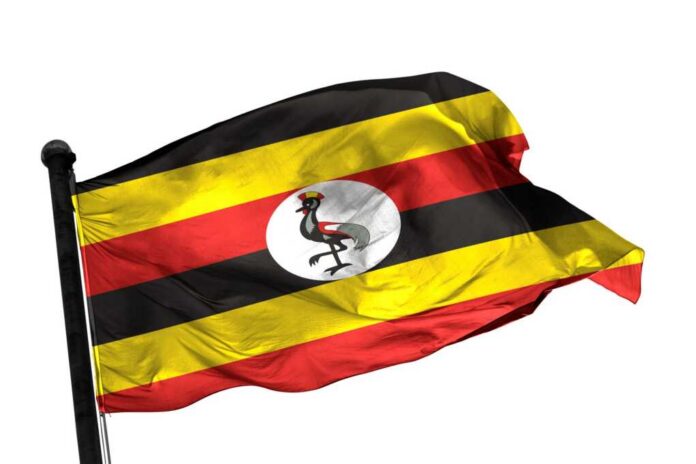
Uganda’s army chief, General Muhoozi Kainerugaba, ignited a rapid diplomatic crisis when he threatened to cut military ties with the United States over unfounded accusations, only to retract his statements and apologize an hour later. This stunning display of volatility underscores the internal crisis gripping a key African security partner and raises serious questions about the stability of its leadership and the future of its strategic alliances.
Story Highlights
- General Muhoozi Kainerugaba, son of Uganda’s president, accused the US Embassy of harboring opposition leader Bobi Wine and suspended military cooperation including Somalia operations.
- Within one hour, he deleted the posts, admitted receiving false information, and apologized to America as “great friends” after diplomatic intervention.
- The incident follows a violent post-election crackdown that killed 30 opposition supporters and arrested 2,000 after disputed January 15 election results.
- Muhoozi has a pattern of inflammatory social media posts targeting political opponents, including death threats against Wine and vows to eliminate his National Unity Platform party.
Impulsive Accusations Against Strategic Partner
Muhoozi Kainerugaba, Uganda’s Chief of Defence Forces and son of 40-year ruler Yoweri Museveni, posted accusations on January 30, 2026, claiming the US Embassy in Kampala coordinated with opposition leader Bobi Wine to help him evade capture. He announced immediate suspension of all military cooperation with the United States, including joint operations in Somalia. The inflammatory posts represented a disturbing escalation against a longstanding security partner whose aid and military funding underpin Uganda’s regional operations. Within sixty minutes, Muhoozi scrubbed the posts from social media entirely.
Uganda's Chief of Defence Forces (CDF), Gen Muhoozi Kainerugaba, has deleted earlier posts he made on X, accusing the @USAmbUganda administration in Kampala of aiding Bobi Wine's escape.
Gen @mkainerugaba, who is also President @KagutaMuseveni's son and a Senior Presidential… pic.twitter.com/rFCYPy6Npf— Daily Monitor (@DailyMonitor) January 30, 2026
Rapid Diplomatic Reversal Averts Partnership Crisis
After deleting his accusations, Muhoozi issued a public apology stating he “was being fed with wrong information” and confirmed that “everything is okay” following a conversation with the US Ambassador. He praised Uganda’s UN Ambassador Adonia Ayebare for resolving the diplomatic crisis and even suggested him for Foreign Minister. Ayebare welcomed the clarification, calling US-Uganda ties “mutually beneficial and resilient.” The swift reversal prevented disruption to critical military cooperation, including counterterrorism operations in Somalia that depend on American logistical and intelligence support.
Post-Election Violence Fuels Manhunt
The accusations emerged amid heightened tensions following Uganda’s disputed January 15 presidential election, where Museveni claimed his seventh term. Opposition leader Bobi Wine, head of the National Unity Platform, rejected the results as “blatant theft” and went into hiding after a January 20 military raid on his home. Soldiers cut power, disabled security cameras, and deployed helicopters during the assault, which Wine’s wife described as violent. Muhoozi claimed responsibility for the operation while denying direct attacks on Wine. Post-election violence claimed at least 30 opposition lives and resulted in approximately 2,000 arrests across Uganda.
Pattern of Reckless Social Media Behavior
This incident follows Muhoozi’s established pattern of provocative, frequently deleted social media posts that create diplomatic and domestic friction. Following the home raid, he issued a 48-hour surrender ultimatum to Wine, threatened to kill 22-30 National Unity Platform “terrorists,” and called the opposition leader a “baboon,” “coward,” and “terrorist.” He publicly vowed to eliminate the NUP entirely, framing his actions as divinely ordained. Wine responded boldly throughout late January, taunting the army’s inability to locate him and urging supporters toward legal resistance. Observers noted concerns that Muhoozi’s impulsiveness and social media volatility pose ongoing risks to Uganda’s international relationships and internal stability.
The rapid resolution preserved American-Ugandan military cooperation but underscored serious questions about leadership stability in a nation where succession planning appears centered on an army chief prone to erratic public statements. For Americans watching foreign aid dollars flow to unstable regimes, this episode illustrates the precarious nature of partnerships with autocratic governments that suppress democratic opposition through violence while maintaining strategic ties through diplomatic damage control. The incident raises legitimate concerns about whether continued military cooperation serves long-term American security interests when allied leadership demonstrates such poor judgment and authoritarian tendencies that threaten regional stability.
Watch the report: Uganda’s Bobi Wine Taunts Army Chief, Museveni’s Son Fails To Hunt Him | Firstpost Africa
Sources:
Uganda’s army chief apologies to “great friends” the US after accusing embassy of helping opposition
Uganda: Army Chief Apologises Over Previous X Post Accusing U.S. of Helping Opposition
Muhoozi Kainerugaba retracts on cutting US military ties with Uganda
Gen Muhoozi deletes tweets threatening US embassy, apologises