
The United States struck Iran after a drone hit a commercial ship in the Strait of Hormuz, and the fight over who broke the ceasefire is now driving the story.
Story Snapshot
- U.S. Central Command said the strikes answered an attack on the Singapore-flagged M/V Ever Lovely.[1]
- President Donald Trump said the drone attack violated the ceasefire agreement.[1][4]
- Iran rejected the U.S. version and called the strikes a clear violation of the ceasefire.[3]
- The clash has raised fears about shipping, oil prices, and wider regional escalation.[4][8]
Why Washington Moved Fast
U.S. officials said the strike was meant to punish what they called an unwarranted attack on commercial shipping. Central Command said American aircraft hit missile and drone storage sites, along with coastal radar installations inside Iran.[1] The U.S. said the target was tied to the drone strike on the M/V Ever Lovely, a Singapore-flagged ship moving out of the strait near the coast of Oman.[1][10]
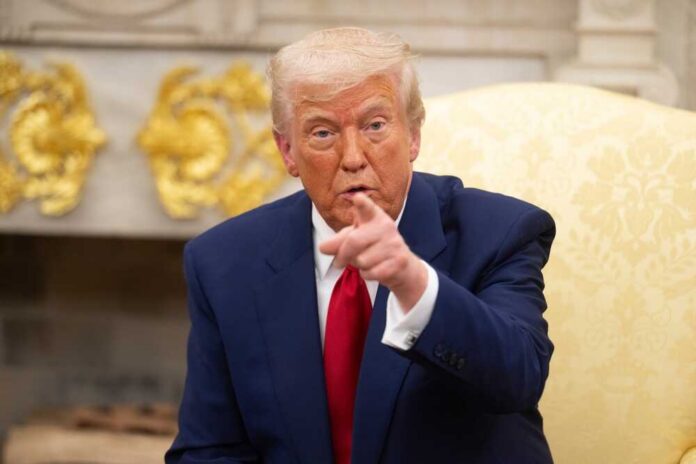
Trump said Iran fired multiple drones at maritime vessels and called the attack a breach of the ceasefire.[1][4] That framing matters because it turns the strike into a response claim, not just a military choice. It also fits a wider U.S. message that freedom of navigation in the Strait of Hormuz must be protected, even if that means quick retaliation against Iranian sites.[1]
Iran’s Challenge to the U.S. Case
Iran pushed back by saying the U.S. strikes were a clear violation of the ceasefire and an act of aggression.[3] Iranian officials also disputed the geography and logic of the American argument, while saying ships in the strait must follow designated routes.[4] That leaves a central gap in the public record: Iran has not provided its own primary evidence explaining the drone attack on the cargo ship.[2][3]
The dispute is bigger than one ship. It shows how each side uses maritime security to build its case in public, while the facts stay partly contested.[2][3] The United States says Iran attacked commercial shipping first. Iran says the U.S. response broke the truce first. Without shared proof, both governments are asking the world to trust their own version of events.[2][3]
What the Standoff Means Next
The immediate risk is that the cycle of strike and counterstrike keeps growing. Reports said Iran later claimed to target U.S. military positions in the region, which suggests the conflict can spread beyond the original shipping incident.[2][5] That is the part many people across the political spectrum fear most: leaders say they want stability, but each move seems to make the next one more likely.
🚨🚨 BREAKING 🚨🚨: 🇺🇸 A US official says the recent strikes were carried out in response to Iran’s reported attack on a commercial vessel and were not a resumption of large-scale military operations.
⚠️ The statement reflects the US government’s position.#USA #Iran… pic.twitter.com/wk7CLISQiG
— DR ADNAN ALI (@DrMalko) June 27, 2026
The broader issue is trust in government claims during fast-moving foreign crises. Supporters of the U.S. response see a needed defense of trade routes and national power.[1][6] Critics see another example of officials acting first and explaining later.[3][4] Both reactions reflect the same deeper concern: when the government says it is protecting the public, people still want proof, restraint, and a clear end game.
Sources:
[1] YouTube – Iran war: Trump says US strike after attack on Strait of Hormuz ship …
[2] Web – U.S. and Iran trade attacks again after Trump pledges Tehran will …
[3] Web – Live updates: US strikes Iran amid nuclear program tensions
[4] Web – 2026 Iran war | Deal, Explained, United States, Israel, Strait of …
[5] Web – US launches new strikes on Iran, targeting missile sites and boats
[8] Web – US military launches strikes ‘against multiple targets in Iran’ – CNN
[10] YouTube – Iran claims to strike US base; Trump changes deal proposal