
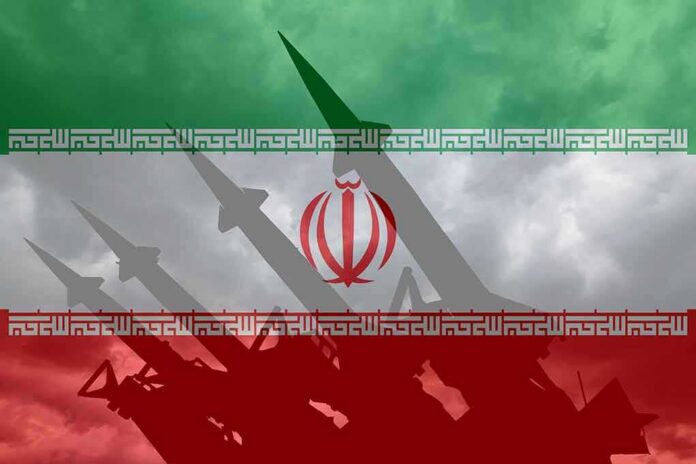
President Trump has again stopped a planned U.S. strike on Iran, turning a near‑war moment into a tense pause that raises hard questions about who really controls America’s war decisions and whether ordinary citizens will ever see the full truth behind them.
Story Snapshot
- President Trump halted a planned military strike on Iran, tying the pause to active peace talks and a possible deal.
- Trump says Iran and Gulf allies asked for more time, while the U.S. military stays “locked and loaded” if talks fail.
- Both sides have paused attacks for now, but no full peace agreement or detailed public terms have been released.
- The decision spotlights how war, diplomacy, and secrecy are managed by political and military elites far from everyday Americans.
Trump Stops Planned Strike, Says Talks With Iran Are Moving Toward a Deal
President Trump says the United States will halt a planned military strike against Iran as Washington and Tehran work toward a possible agreement to limit Iran’s nuclear program and ease the wider war. In public remarks and social media posts, he linked the pause directly to “serious negotiations” and “very good and productive conversations” with Iran. Trump has told Americans that the “perimeters of a deal” are agreed in concept, and that a peace pact could even be finalized within days if talks stay on track.
Trump also claims Iran itself asked the United States to hold off, saying that the two countries are discussing demands that Iran stop nuclear enrichment and accept “NO NUCLEAR WEAPONS FOR IRAN.” He has stressed that U.S. forces remain ready for a “very major attack” or “full-scale assault” if negotiations break down, describing the pause as conditional and reversible rather than a permanent step away from war. This framing lets the administration present restraint to the public while keeping military pressure in place behind the scenes.
Gulf Allies and Missile Concerns Shape the Pause
Trump says he did not make this decision alone. He publicly credited leaders from Qatar, Saudi Arabia, and the United Arab Emirates with asking him to delay strikes for several days to give their mediation efforts a chance. Reporting also shows officials warned Trump about the risk of burning through key air defense and missile stocks if the bombing campaign escalated further, a concern that could weaken America’s position in a longer conflict. These pressures from foreign partners and military planners show how overseas wars are often steered by a small circle of elites, not the voters who pay the price.
For many Americans on both the right and the left, this is familiar and frustrating. Conservatives see another Middle East crisis linked to years of globalist entanglements and expensive wars that never seem to end. Liberals see powerful nations bargaining over war and energy while the gap between rich and poor widens at home. In both cases, it looks like decisions about life, death, and trillion‑dollar costs are made in private rooms, with the public told only what leaders choose to share. This fuels anger at what many call the “deep state” and the political class.
A Fragile Pause: Ceasefire Without a Clear Peace Plan
The halt in strikes has created a fragile opening. After Trump paused bombing, a senior Iranian official told Reuters that Iran would also stop its own attacks as long as the United States maintains the pause, effectively forming a short-term, unwritten ceasefire. Media outlets report that this is now the second or third night in a row with no new U.S. airstrikes, as both sides let talks continue. Some coverage suggests negotiators are working on issues like reopening the Strait of Hormuz and limiting Iran’s nuclear activities, but no full text is public yet.
That missing detail matters. So far, there is no signed peace deal or clearly published terms that explain what each side is promising and who will enforce it. Much of what we know comes from Trump’s own social posts and short media summaries, not official documents open to public review. This lack of transparency feeds the sense that Americans are asked to trust leaders who have taken them close to war and then stepped back, without showing the real plan or admitting the full risks.
Strategic Ambiguity and the Deepening Trust Gap
Officials describe the pause as a way to “give diplomacy more time,” while also warning that strikes may resume if talks fail or Iran breaks its promises. This mix of threat and restraint is what experts call strategic ambiguity: leaders keep the enemy guessing, but they also keep their own citizens guessing. It allows Washington to look careful and tough at the same time, yet it leaves families who have sent loved ones into the military unsure whether peace or escalation is truly coming.
President Trump has stated that the United States will suspend its planned military strike against Iran, as Washington and Tehran are working to reach an agreement. pic.twitter.com/EstzPo3JQx
— Patricia Williams (@Patricia76um3w) August 2, 2026
For older conservatives and liberals alike, this episode fits a wider pattern. They have watched decades of costly wars, rising debt, unstable energy prices, and broken promises about the American Dream. Now they see another near‑war turned into a pause by messages on a social app and closed‑door talks among presidents, generals, and foreign royals. The strike halt may spare lives today, and any real deal limiting Iran’s nuclear program would be a victory for stability. But until leaders show their work in daylight, many Americans will keep asking whether their government serves the people—or only the elites who run it.
Sources:
facebook.com, cnn.com, youtube.com, bbc.com, aljazeera.com, bloomberg.com, apnews.com, washingtonpost.com, nbcnews.com, pbs.org