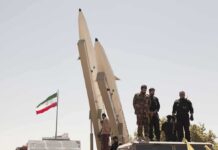
Putin just handed Iran a propaganda win and a targeting edge while American families watch the Strait of Hormuz threat push energy prices and war-risk higher.
Quick Take
- Russia’s president publicly praised Iran as a “loyal friend and reliable partner,” signaling Moscow intends to stiffen Tehran’s resolve during the 2026 war.
- U.S. intelligence reporting says Russia has shared intelligence with Iran on U.S. warships and aircraft, raising the danger to American forces in the Gulf.
- The conflict’s center of gravity remains the Strait of Hormuz, where disruption risks global energy shocks that hit U.S. households directly.
- Iran says it is expanding military and strategic cooperation with Russia and China, deepening an anti-West alignment without a formal alliance.
Putin’s Nowruz Message Wasn’t Small Talk
Vladimir Putin used a Nowruz message to frame Iran as a dependable partner and to encourage Iranian “resilience” under U.S. pressure. The timing matters because it arrived during active U.S.-Israeli strikes and as Washington weighs further action connected to the Strait of Hormuz. Diplomatically, the message reinforces Tehran’s narrative that it is not isolated, even as the war grinds on and risks widening.
Iran’s foreign minister, Abbas Araghchi, has also described Russia and China as strategic partners and confirmed expanded cooperation in military domains, while declining to lay out details publicly. That ambiguity is part of the point: Russia can signal commitment without announcing a treaty obligation or deploying forces. For Americans trying to read the chessboard, the message is less about ceremony and more about Moscow telegraphing that it wants Tehran to hold the line.
U.S. Intel Says Russia Is Feeding Iran Targeting Information
U.S. intelligence assessments reported in early March said Russia began providing Iran intelligence on U.S. warships and military aircraft, including satellite-related information that could improve Iranian situational awareness. Defense Secretary Pete Hegseth has said the U.S. is tracking Russian assistance and intends to confront “back-channel” support. Even if Moscow avoids direct combat, intelligence sharing can still raise the operational risk to U.S. pilots and sailors.
Russia is trying to help Iran complicate U.S. operations while keeping Russia’s own exposure limited, especially with Moscow still heavily committed elsewhere.
Hormuz Is the Pressure Point MAGA Voters Feel at the Pump
The Strait of Hormuz remains the choke point hanging over the entire conflict, because it is vital to global oil flows and therefore to U.S. inflation and household budgets. The Kremlin has warned about regional instability and energy-market impacts, which is both a prediction and a pressure tactic. For conservative voters already burned by years of price spikes and fiscal mismanagement, the immediate question is whether the war’s “mission creep” will lock in higher costs.
Trump supporters are divided as the war continues: some prioritize striking Iran’s capabilities and backing Israel, while others see another open-ended conflict that contradicts promises to avoid new wars. The available information do not quantify public opinion, but they do show the strategic ingredients that fuel that split—escalation risk, energy volatility, and allies’ competing objectives. In practical terms, every added step around Hormuz increases the chance of retaliation and market panic.
A Russia–Iran–China Alignment Grows, Even Without a Formal Pact
Russia and Iran have deepened ties over the past decade through sanctions-driven coordination and overlapping anti-West interests. The research points to a transactional history that includes Iran supplying drones and missiles for Russia’s Ukraine war in exchange for advanced systems and support, plus years of military coordination in Syria. China’s role is described as strategic and economic, with incentives tied to energy and regional influence rather than direct battlefield leadership.
Russia Just Delivered a Big Message to Iran About What It Should Do in Response to the U.S.https://t.co/GFjTJQdZtg
— RedState (@RedState) March 24, 2026
Analysts argue the war also exposes limits on Russia’s leverage: Moscow can help Tehran, but it cannot easily control Tehran’s decisions or absorb the blowback of a wider regional fire. For the United States, that means two realities can be true at once: Russia’s assistance can be dangerous to American forces, and Russia may still be acting from constraint rather than confidence. Either way, U.S. policymakers face a harder problem than a single adversary.
Sources:
Iran war exposes the limits of Russia’s leverage in a fragmenting regional order