

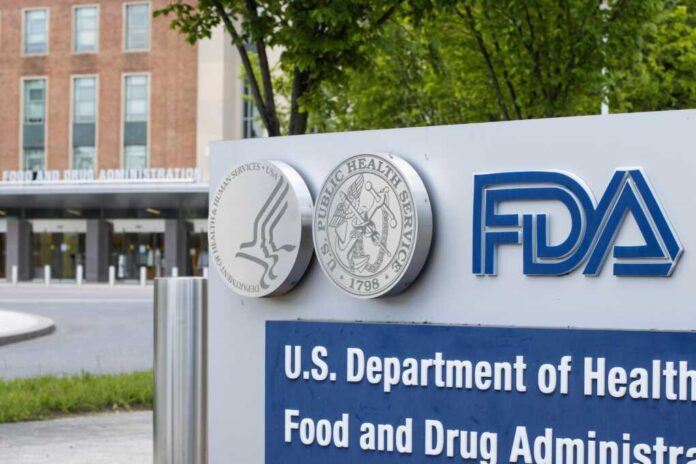
The FDA’s new investigation into hidden gluten in food might finally bring transparency to an issue that has plagued gluten-sensitive consumers for years.
Story Highlights
- The FDA seeks public input on gluten labeling for cross-contaminated grains like rye and barley.
- This initiative aligns with the Make America Healthy Again strategy, focusing on radical transparency.
- Potential new regulations could mandate clearer labeling, benefiting millions with celiac disease.
- Food manufacturers might face increased compliance costs due to stricter labeling rules.
FDA’s New Initiative for Gluten Labeling
The U.S. Food and Drug Administration (FDA) announced a Request for Information (RFI) on January 21, 2026, aiming to address issues surrounding gluten labeling. This initiative focuses on non-wheat gluten-containing grains such as rye, barley, and oats, which are often hidden in packaged foods. The FDA seeks public input to close data gaps on adverse reactions and improve transparency for consumers with celiac disease or gluten sensitivity. This move is part of the broader Make America Healthy Again (MAHA) strategy.
Under the leadership of HHS Secretary Robert Kennedy Jr., the MAHA initiative is pushing for radical transparency in food labeling. The FDA’s RFI aims to gather information that could lead to mandatory labeling of gluten cross-contamination, a critical issue for the estimated three million Americans affected by celiac disease. This is a significant shift from previous voluntary labeling standards and represents a potential victory for consumer health advocates.
Implications for Food Manufacturers
Food manufacturers who have previously relied on voluntary “gluten-free” labeling standards may face increased compliance costs if new regulations mandate disclosure of cross-contamination with grains like rye and barley. These changes could impact the packaged food sector, compelling them to adapt their practices to meet more stringent labeling requirements. However, these regulations could also boost consumer trust and expand the market for gluten-free products by ensuring safer choices for consumers.
Despite potential increased costs, the initiative is expected to have long-term positive effects on consumer health. By reducing the health burdens associated with celiac disease, such as nutrient deficiencies, the FDA’s initiative could significantly improve the quality of life for those affected. Politically, this move aligns with efforts to advance food transparency and consumer protection under the MAHA agenda.
Stakeholder Reactions and Future Steps
FDA Commissioner Marty Makary, M.D., M.P.H., underscores the importance of public input in shaping these regulations, emphasizing consumer protection. The celiac disease community and other stakeholders are encouraged to share their experiences to influence future labeling standards. As the RFI process unfolds, the FDA will evaluate the input received to inform potential regulatory changes, aiming to eliminate the guesswork for those managing gluten sensitivities.
Public engagement is crucial in this process, as the FDA seeks to balance consumer safety with industry feasibility. The outcome of this initiative remains to be seen, but it marks a critical step toward ensuring that all Americans can make informed choices about the food they consume.
No more guessing: FDA investigates the gluten that might be hiding in your food #HEALTH #LATEST https://t.co/0VLRKu8KyI
— DawnNewsUp (@dawnnewsup) January 21, 2026
The FDA’s approach could set a precedent for global standards, influencing how other countries address gluten labeling and cross-contamination in packaged foods. As the RFI progresses, stakeholders will closely watch for developments that could reshape the landscape of food labeling and consumer health protection.
Sources:
FDA Issues Request for Information to Shape Future Gluten Labeling Regulations
Gluten-Free Labeling of Foods
Illinois Allergen Awareness Training Law 2026 Update
FDA – Food Safety