
When politicians normalize calling federal agents “Nazis,” the street-level result can look a lot like Minneapolis—harassment, vandalism, and violence aimed at the people enforcing the law.
Quick Take
- White House Press Secretary Karoline Leavitt accused Democrats of using inflammatory language that she said fuels attacks on ICE in Minneapolis.
- Federal authorities say a Jan. 7 incident turned deadly after a protester allegedly used her vehicle as a weapon against an ICE officer.
- Federal vehicles were vandalized and agitators reportedly rifled through an FBI vehicle during mid-January clashes, raising serious public-safety concerns.
- The Trump White House signaled the Insurrection Act remains a possible tool, though no invocation was announced.
Leavitt targets rhetoric after ICE violence and vandalism in Minneapolis
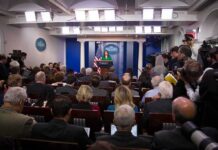
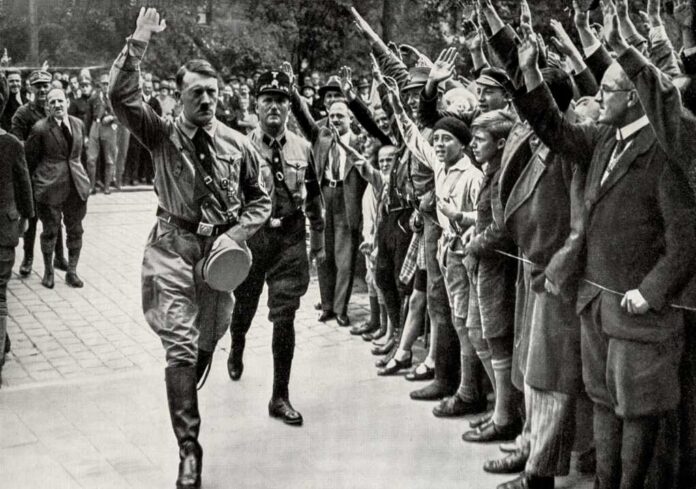
Karoline Leavitt used a Jan. 15, 2026 White House press briefing to draw a direct line from anti-ICE rhetoric to real-world unrest in Minneapolis. Leavitt criticized Democrats and sympathetic media coverage for language she described as “despicable,” citing examples such as calling ICE agents “Nazis” and “Gestapo.” Her argument was straightforward: when officials and influencers dehumanize federal officers, agitators feel emboldened to target them in the streets.
The Minneapolis flashpoint followed a Jan. 7 shooting in which a protester, Renee Good, was killed by an ICE officer. Authorities’ account, as reported in the research, says Good allegedly used her vehicle as a weapon against the officer. That incident intensified existing tensions as federal personnel operated in a city already on edge. The sources do not provide independent verification beyond the reported law-enforcement description, a key limitation when assessing competing claims.
What happened on the ground: clashes, theft claims, and “F ICE” vandalism
Midweek unrest leading into Jan. 15 included confrontations between agitators and law enforcement, alongside reported harassment of ICE agents. The research also describes federal vehicles being vandalized with anti-ICE graffiti, including “F ICE,” and an episode in which agitators rifled through an FBI vehicle. Reports further reference theft of weapons amid the chaos. Taken together, those details paint a public-order breakdown that goes far beyond peaceful protest.
Leavitt’s briefing also featured a combative exchange with reporters, reflecting the administration’s broader claim that legacy coverage too often frames federal enforcement as inherently suspect. One example cited in the research involved a reporter suggesting ICE acted “recklessly” in the Jan. 7 shooting. Leavitt rejected that framing and argued that selective language choices—especially Nazi comparisons—do more than inflame tempers; they can delegitimize lawful authority and raise the risk of copycat aggression.
Federal vs. local power: sanctuary politics and strained cooperation
The Minneapolis turmoil sits inside a larger federal-state conflict over immigration enforcement. The research describes Minneapolis as a Democrat stronghold where local policies have restricted cooperation with ICE for more than a year. In practical terms, that can mean fewer resources for federal officers operating in hostile environments, and more ambiguity for residents about who is responsible for security on the streets. The administration’s position is that enforcement cannot function if local leaders treat it as optional.
The Insurrection Act question—and the constitutional stakes of public disorder
The Insurrection Act surfaced during the briefing as a potential presidential tool, with Leavitt emphasizing that President Trump retains that authority while not announcing any activation. Historically, the Act has been associated with rare moments when local breakdowns overwhelm ordinary capacity. The current reporting does not establish whether Minneapolis meets any legal threshold, but the mere discussion signals how seriously the White House views attacks on federal officers and federal property during immigration-related unrest.
‘EGREGIOUS LANGUAGE’: White House Press Secretary Karoline Leavitt blasts Democrats for “despicable rhetoric” that she says helps fuel threats, violence and attacks against ICE and Border Patrol agents. pic.twitter.com/Bh2giUY6QL
— Fox News (@FoxNews) February 1, 2026
For conservatives watching this unfold, the immediate takeaway is less about partisan theater and more about the basic rule of law. The research documents vandalism, threats, and reported theft claims around federal vehicles—conduct that would be condemned in any other context. If political leaders want reform, the constitutional path is legislation and elections, not intimidation of agents and escalation in the streets. The sources provide only a partial picture, but the pattern described is troubling.
Sources:
White House blames Democrats for ICE violence as Minneapolis erupts, Insurrection Act threat looms
Leavitt accuses Sen. Tillis of holding US economy hostage over Fed nomination dispute