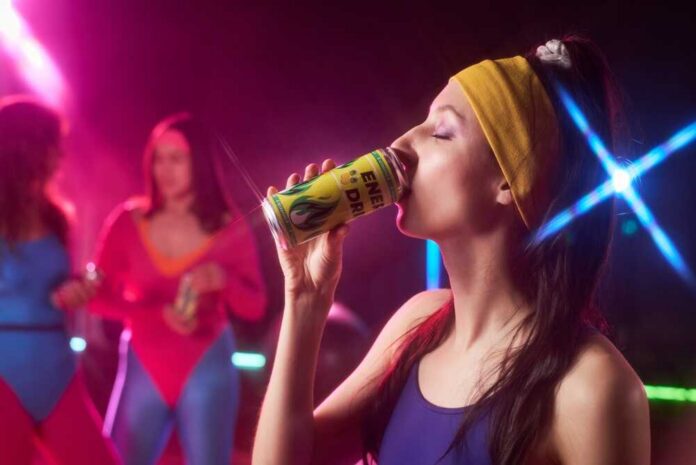
Monster Beverage Corporation’s new gender-specific energy drink line proves corporate America is still obsessed with dividing consumers into categories rather than letting people choose products based on personal taste and preference.
Story Snapshot
- Monster launches FLRT, an explicitly female-targeted energy drink with fruit flavors and wellness ingredients like collagen
- The beverage giant follows competitors capitalizing on 44% of high-income women ages 18-34 who increased energy drink consumption in 2025
- Critics question whether gender-specific marketing reinforces stereotypes rather than simply offering better product options
- Industry experts suggest inclusive branding works better than segregating products by gender
Monster Enters Female-Focused Energy Market
Monster Beverage Corporation announced FLRT, a new energy drink line designed specifically for female consumers, scheduled to debut in retail channels during Q1 2026. The zero-sugar drinks feature 200mg of caffeine per can in fruit-forward flavors including Strawberry Fling, Guava Lava, Berry Tempting, and Sunset Squeeze. CEO Hilton Schlosberg revealed the new line during an earnings call, emphasizing ingredients like collagen boosters and immunity support targeting what the company identifies as female preferences. The soft-colored packaging marks a significant departure from Monster’s traditional aggressive, masculine branding that has dominated the energy drink market for decades.
Market Shift Driven by Female Consumer Demand
The energy drink industry has historically targeted young males aged 18-34 through masculine imagery and intense branding, leaving female consumers underrepresented despite growing demand. Market data reveals 44% of high-income American women in the 18-34 age bracket increased their energy drink consumption in 2025, seeking benefits beyond energy including vitamins, hydration, and cognitive support. Competitor Celsius achieved approximately 50% female consumers by offering fruit-forward flavors in slim white cans with inclusive fitness marketing that avoided heavy masculine cues. This success prompted other brands to pursue female-focused strategies, with Nutrabolt acquiring Bloom Nutrition in 2025 and Alani Nu gaining traction through female fitness influencer partnerships.
Debate Over Gender-Specific Product Marketing
Industry experts express mixed opinions about explicitly gender-targeted energy drinks versus inclusive marketing approaches. Kyle Watson, CMO of Celsius, credits his brand’s success to fruit flavors and neutral branding that appeal to women without excluding men, maintaining an even gender split among consumers. Beverage Daily analysts recommend softening masculine cues and using inclusive fruit branding rather than limiting products to sole-female audiences. Critics argue FLRT relies on gender stereotypes about women preferring lighter flavors and beauty-focused ingredients instead of genuine product innovation. The approach raises questions about whether corporations should segment markets by gender or simply offer diverse options that appeal to individual preferences regardless of demographic categories.
Monster’s strategic move reflects broader industry recognition that women represent untapped market potential in the energy drink category. The company reported 17.7% growth in its energy segment recently, indicating strong category expansion beyond traditional male consumers. Competitors including Alani Nu normalized pink packaging and wellness positioning, while Google Trends data showed increased searches for “pink energy drink for women” in February 2026. Monster hedges its female-focused launch by simultaneously introducing other products like Ultra Punk Punch and Storm Energy, suggesting uncertainty about whether gender-specific marketing will succeed or backfire. The beverage giant’s scale provides advantages over nimbler rivals, but analysts note the risk of alienating male consumers if messaging becomes overly gender-specific.
Common Sense Questions Gender Marketing Strategy
The fundamental question remains whether Americans need products explicitly marketed by gender or simply prefer having diverse options available without demographic labels attached. Traditional conservative values emphasize individual choice and personal responsibility rather than corporate categorization of consumers into identity groups. Energy drink companies could offer fruit flavors, wellness ingredients, and approachable packaging without declaring products designed exclusively for women, allowing consumers to select beverages based on taste and functional benefits. This approach respects individual liberty while avoiding the stereotyping inherent in assuming all women prefer collagen and soft colors while all men want aggressive branding. The market will ultimately determine whether FLRT succeeds based on product quality and consumer choice rather than gender-based marketing tactics.
Sources:
Monster Announces FLRT, a Female-Focused Energy Drink
Energy Drinks Can Do Better to Target Women
Monster Launching Energy Drink for Women
Trend of Pink Revolutionary Energy Drink for Women
Energy Drinks Market in the US