Americans watching gas top $4 again are now being told a “peace deal” with Iran might fix it—but the fine print shows any relief could be small, slow, and easily blown up by the same elites who created the crisis.
Story Snapshot
- Oil prices dropped on early reports of a U.S.-Iran peace deal, but remain well above pre-war levels.
- Analysts say any gas-price relief depends on a signed deal and real tanker traffic through the Strait of Hormuz.
- Experts warn gasoline is still likely to stay above $4 a gallon for now.
- Market swings highlight how global energy—and family budgets—are held hostage by distant decisions and powerful interests.
Oil Prices Fall On Peace Hopes, But Stay Painful At The Pump
Energy traders reacted fast when word leaked that Washington and Tehran were close to a peace agreement to end the conflict and reopen the Strait of Hormuz.[1] Axios reported that crude oil prices dropped about $5 per barrel in the first major trading session after early outlines of a deal appeared, with the global Brent benchmark down about 4.6 percent from Friday’s close.[1] Video reports from business networks showed similar moves, with oil futures sliding more than 4 to 5 percent as traders priced in lower risk.[2] These drops offered a brief sense of hope to drivers, but even after the selloff, Brent crude remained far above the roughly $70 per barrel level seen before the war.[2] Families still face much higher fuel costs than they did just a few years ago, after years of policy swings and global shocks.
Reporters and analysts quickly connected the oil move to gasoline prices, which had climbed well above $4 a gallon during the crisis.[1] Patrick De Haan, head of petroleum analysis at GasBuddy, said gas prices were already easing but warned that the national average would likely “remain significantly above $4 per gallon” until there is a signed agreement and “a considerable number of vessels” actually moving through the Strait of Hormuz.[1] That means the peace headlines alone do not magically reset prices at the pump. For both conservative and liberal households, the message is the same: even when politicians declare progress, the costs of past decisions and broken systems still show up every time they fill their tank.
Why A Deal With Iran Matters For Oil And Gas Prices
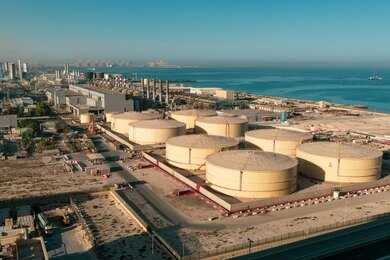
The Strait of Hormuz is one of the most important oil shipping lanes in the world, and fighting there raised fears that tankers could not move safely.[2] Those fears helped push oil toward or above $100 per barrel at points in the crisis, piling more pressure on drivers, truckers, and small businesses already hurt by inflation and high energy bills.[4] As both the United States and Iran began talking about a deal and ways to reopen the waterway, news outlets reported that hopes for a safer Strait were a key reason for the recent drop in prices.[2] Later coverage noted that some vessels had begun to cross the strait again with Iranian authorization, another sign that the worst supply fears might ease.[2] Both right and left can see how a single chokepoint, thousands of miles away, can raise the cost of everything from groceries to school bus fuel in their hometown.
Broader reporting shows this deal fits a larger pattern in energy markets. The National, a business news outlet, described how oil prices had dropped below $90 per barrel after both countries said they were close to a peace agreement, marking a second straight weekly loss. Analysts there said traders were responding to lower odds of major supply disruption, but warned that prices were still high and that the market could swing back if talks collapsed. Other coverage of earlier stages in the negotiations noted that Asian equity markets rose as investors “priced in the worst case” and bet that if a deal came together, oil might settle back into the $70–$80 range rather than stay near $100.[3] This shows how quickly markets jump on diplomatic headlines, even when real-world supply has not yet changed much.
Why Relief May Be Limited, Fragile, And Slow To Reach Drivers
Even with the recent pullback, energy experts stress that the peace deal is not a magic wand for gasoline prices.[1] Axios reported that research firm ClearView Energy Partners told clients that reopening the Strait, clearing stranded tankers, and restarting shut-in production could take “weeks to months,” meaning markets would stay unsettled for some time.[1] Earlier in the conflict, Time magazine described how fresh United States strikes on Iran sent global oil back to about $100 per barrel and “brought renewed instability to the markets,” a warning of how fast events can reverse.[4] The same leaders who promise peace today can order new strikes tomorrow, sending prices right back up.[4] This stop‑and‑go cycle feeds the belief, on both the right and the left, that regular Americans are stuck on a roller coaster built by distant officials and energy giants.
Friday morning. Everything changed overnight.
Trump canceled Iran strikes. Peace deal could
be signed in Geneva as early as Sunday.
Oil cratered: WTI -4%, Brent below $87.The market is repricing it all in real time:
S&P, Nasdaq, Dow futures green.
Korea Kospi +4.6%. Japan…— MTOptions (@MTOptions1) June 12, 2026
For many families, the deeper frustration is that every crisis seems to hit them while powerful players land on their feet. Conservative voters blame years of “green first” rules, globalist trade deals, and runaway spending for making the system fragile and expensive. Liberal voters blame “America First” shocks, cuts to social support, and a growing gap between the rich and everyone else. Stories like this U.S.-Iran peace deal show a hard truth both sides now share: the federal government has allowed basic needs—like affordable fuel—to depend on high‑risk global bets and secretive negotiations. The headlines promise “pump pain relief,” but the fine print says Americans are still at the mercy of the same elite decision‑makers, the same fragile chokepoints, and the same boom‑and‑bust energy model that has failed them for years.
Sources:
[1] Web – Pump Pain Relief? Gas Above $4 May End Soon As U.S.-Iran Peace Deal …
[2] Web – Oil prices sink on signs of U.S.-Iran deal – Axios
[3] YouTube – Oil prices ease on renewed hopes of US-Iran peace deal
[4] YouTube – Oil Prices Drops as US-Iran Peace Deal Nears Breakthrough