
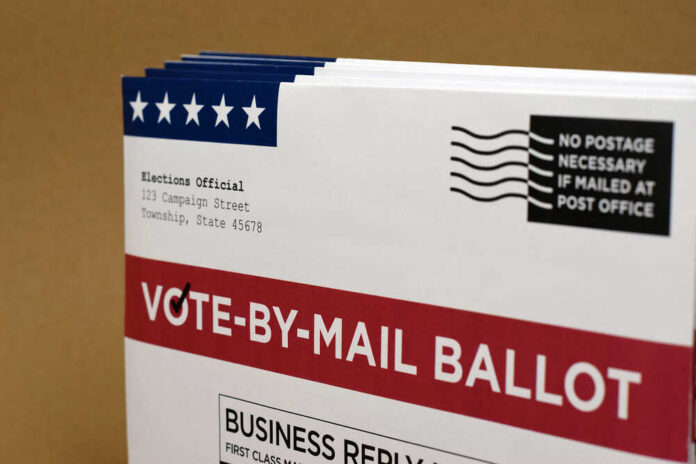
On primary day in deep-blue Oregon, late-arriving ballots and simmering anger at Democrat mismanagement are testing whether voters are finally ready to push back.
Story Snapshot
- Oregon’s all-mail system means a last-minute wave of ballots can still reshape the 2026 primary landscape.
- Election officials expect a surge right up to the deadline, keeping both parties guessing about turnout.
- Republican gubernatorial candidates are hammering taxes, regulation, and Democrat overreach to channel voter frustration.
- Lack of transparent, party-specific turnout data lets media spin the night before the votes are fully counted.
How Oregon’s Vote‑by‑Mail Rules Set the Stage for Late Drama
Oregon’s system all but guarantees that what voters hear on primary day is not the final story. The Oregon Secretary of State confirms that ballots for the May 19, 2026 primary began mailing to active voters on April 29, with Election Day as the last day to return a ballot, and results remaining unofficial until they are certified weeks later. That structure means ballots can keep arriving and being processed after the political talking heads start declaring narratives.[2]
County clerks on the ground say they routinely see a flood of ballots in the final days before an election, and they are bracing for the same pattern this year.[1] Oregon Association of County Clerks president Derrin “Dag” Robinson described turnout as “a little bit low” early on but said they are “assuming that we’ll have a little bit of a surge” by tomorrow night.[1] That late surge is baked into the system, but it also creates space for an eleventh‑hour Republican push if conservative voters hold their ballots until the deadline.
Conservatives Hope a Late Wave Becomes a Red Warning Shot
For Republican voters who have watched Oregon drift further left on taxes, regulation, and social policy, this primary is less about choosing a nominee and more about sending a message. Because ballots can be returned through Election Day and many arrive right at the cutoff, any early turnout snapshot is inherently incomplete.[2] That reality means a late‑breaking Republican surge, if it exists, will not be obvious until after the commentary class has already spun its first hot takes.
The risk is that many in the media will declare “business as usual” based on partial results, then quietly adjust later once the full count shows stronger conservative participation. Oregon’s rules allow ballots postmarked by Election Day to be received and processed afterward, which further stretches the window where narratives can outrun facts.[2][7] For conservatives already skeptical of establishment framing, this lag only deepens the sense that their energy and frustration are constantly being downplayed.
Republican Candidates Channel Anger at Taxes, Spending, and Overreach
On the campaign trail, Oregon Republican gubernatorial candidates are speaking directly to that frustration. Debate coverage shows a unified Republican front attacking Democrat Governor Tina Kotek’s agenda, focusing on what they describe as a “massive burdensome regulatory machine,” runaway spending, and heavy taxes, including what one candidate called a “$15 billion gas tax increase.”[1] Their message is simple: Oregon families and small businesses are paying the price for big‑government experiments championed by Portland‑style progressives.[1]
Candidate Ed Diehl has tied the state’s economic malaise directly to policy, warning that businesses are leaving Oregon because of aggressive regulation, high taxes, and a governor who ignores their concerns.[1] Other Republicans have called for cutting fat in state government and auditing agencies, arguing that taxpayers deserve to see where every dollar goes and why basic services keep getting more expensive.[1] For conservative voters worn down by inflation, high energy costs, and the sense that bureaucracy always grows while accountability shrinks, this message resonates as overdue common sense rather than partisan theater.
Media Spin, Missing Data, and the Battle Over the Narrative
Despite clear evidence of late ballot surges, available public data still does not show whether Republicans are actually turning out at higher rates than Democrats in this primary.[1][2] Oregon’s statewide releases focus on overall turnout and deadlines, not detailed, real‑time breakdowns by party. Without transparent, party‑specific ballot return statistics, both sides are left arguing over what sparse numbers “really mean,” and media outlets can fill the gap with storylines that fit their preferred politics rather than the full electorate.
🚨 Oregon GOP Primary
TODAY is the deadline. 🇺🇸Oregon is a deep blue state that conducts elections through a universal vote-by-mail system. That is why these primaries matter.
This is where Republicans decide who carries the conservative message into November, builds the bench… pic.twitter.com/QGYOCtEzLg
— RINO Removal Project (@RINO_Removal) May 19, 2026
That information gap matters for conservatives who want proof that ordinary Oregonians are rejecting progressive one‑party rule. State officials are clear that election results are unofficial until they are certified and that ballot processing continues after Election Day.[2][7] Yet early returns and partial counts often become instant headline material. In a state where late‑arriving mail ballots are normal, treating those early numbers as the final verdict is misleading at best. For now, the most honest reading is that anger at Democrat policies is real and visible in Republican messaging, while the size of any actual “red wave” will only be known once every lawful ballot is counted—and not a moment sooner.
Sources:
[1] YouTube – Oregon counties brace for last-minute primary election ballot rush
[2] Web – Voting – Upcoming Elections – Oregon Secretary of State
[7] Web – May 19, 2026 Primary Election