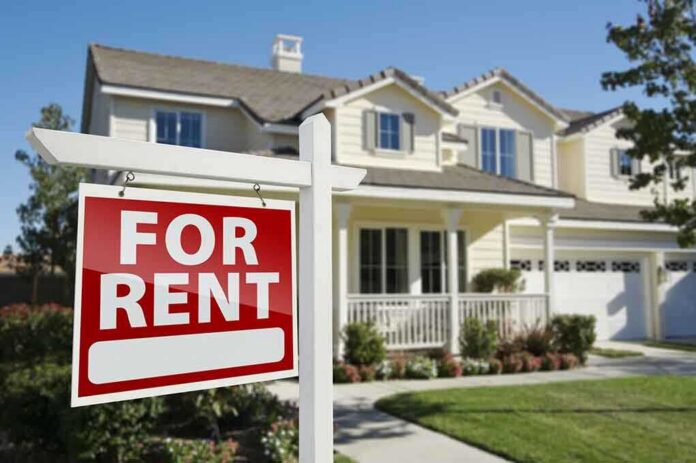
Florida voters just approved a major homestead tax break that helps many owners but could squeeze local services if cities scramble to plug lost revenue.
Story Snapshot
- Amendment 3 passed with about 62% support, expanding the non-school homestead exemption in phases.
- The exemption rises to $150,000 in 2027 and $250,000 in 2028, then indexes to inflation.
- Analysts warn local governments could face multi-billion-dollar revenue losses and service cuts.
- Real estate voices say seniors and new residents could benefit, but renters may bear more costs.
What Florida Voters Approved And When It Hits
Florida voters approved Amendment 3 with roughly 62% of the vote, clearing the state’s 60% bar for constitutional changes. The measure expands the homestead exemption for primary residences, but only for non-school property taxes. The new exemption rises to $150,000 in 2027 and $250,000 in 2028, with future increases tied to inflation. Supporters framed it as direct relief to homeowners who live in their homes, not to investors or second-home owners.
The timing matters for households planning moves. Coverage said people who arrive in Florida later could face a longer wait to qualify, while current residents and earlier movers benefit sooner. Real estate professionals said that could speed decisions for some buyers who want the tax break to apply sooner. But officials have more rules to write, and practical questions on eligibility and processes remain for county offices to sort out.
Why Homeowners Cheer — And Who May Miss Out
Homeowners who claim the homestead exemption stand to cut their taxable value for local, non-school levies. For seniors living on fixed incomes, lower annual tax bills can help them stay in their homes. Real estate advocates say the savings could matter when insurance and other costs keep rising. They also argue the change could draw more people to Florida, especially those leaving higher-tax states. Still, renters and newer buyers may not see direct relief from this policy.
The policy targets owner-occupied homes, so it leaves out many households. Analysts warn that governments often shift costs when one group gets relief. That can happen through higher fees or higher rates on properties that do not get the expanded break, including rental housing. An advocacy analysis warned that renters could face higher costs if landlords pass along added charges or taxes. That would blunt the plan’s broader affordability goals for non-owners.
The Coming Budget Crunch For Cities And Counties
Local governments depend on property taxes to fund police, fire, emergency medical services, parks, roads, and libraries. After Amendment 3, they will collect less from many homesteads. News outlets and watchdogs reported estimates of large losses, starting near $4.9 billion in year one and growing toward a recurring hit near $12 billion after the full phase-in. Leaders warned the gaps could mean service cuts, delayed projects, or higher fees to make up the difference.
Officials across the state flagged public safety and core services as top concerns. Some said front-line staffing would be protected first, but support programs could shrink. Others pointed to likely cuts in libraries, youth services, road work, and transit. A nonpartisan tax group said local governments typically respond by shifting burdens, raising alternative revenue, or reducing services. None of those paths is painless for residents who already feel stretched.
Migration, Markets, And The Limits Of The Evidence
Supporters link the tax break to stronger demand from out-of-state buyers and to seniors choosing to stay. That case rests on simple math: lower annual costs make a home more affordable. But current reporting does not prove a clear migration jump tied only to this change. Many other forces matter too, like jobs, insurance premiums, and home prices. Hard data on how many households will get the full exemption, and by how much, also remains scarce.
The blue wave has a lot of people upset and scared, but here are two quiet wins for people who want to keep more of what they own.
Florida Amendment 3: 61.98% yes when it needed 60%. Unofficial until certified. Homestead exemption for non-school taxes: $150K in 2027, $250K in…
— Kurt Wuckert Jr (@kurtwuckertjr) November 6, 2026
Past Florida policies show that tax relief for incumbents can last and shape markets. But those policies also created uneven treatment between similar homes bought in different years. Amendment 3 may continue that pattern. A fair test now would track homestead applications, sales data, and fees after 2027. Counties also need to publish clear rules on eligibility and timelines. Without that, families and local leaders will plan in the dark while big choices on budgets approach.
Sources:
facebook.com, miamiherald.com, foxbusiness.com, taxfoundation.org, pnj.com, tallahassee.com, floridatrib.org, wgcu.org, rmb.reuters.com, heraldtribune.com