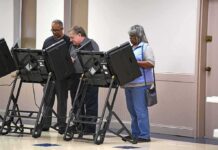


In a stunning break with three decades of statewide results, Democrats swept Texas’s governor and United States Senate races on election night, according to major network projections.
Story Highlights
- CBS News and NBC News projected Democratic wins in both top Texas races.
- Governor Greg Abbott conceded to Gina Hinojosa, saying the math no longer worked for him.
- NBC’s tally showed Hinojosa leading Abbott by double digits in the statewide vote.
- James Talarico was projected to defeat Ken Paxton, ending a Senate drought for Democrats since 1988.
What Networks Projected In Texas
CBS News projected Democrat Gina Hinojosa the winner over Republican Governor Greg Abbott, and projected Democrat James Talarico the winner over Republican Ken Paxton in the United States Senate race. NBC News also projected Talarico as the Senate winner, confirming a rare Democratic breakthrough at the top of the Texas ticket. Projections arrived as votes continued to be counted across the state. One outlet noted that state returns remain unofficial until canvassed and certified by officials.
Governor Abbott publicly conceded the race to Hinojosa. Abbott said he had reviewed county results statewide and called Hinojosa to congratulate her, adding the remaining vote could not change the result. Concessions are not legal certifications, but they matter because they show the losing candidate accepts the outcome. Abbott’s statement signaled the governor’s race was effectively decided while the state moved toward the formal canvass process.
The Numbers That Drove The Call
NBC’s results page listed Hinojosa with about 4,022,000 votes, or 57.0 percent, and Abbott with about 2,946,679 votes, or 41.7 percent. That margin reflected a clear statewide lead as networks made their calls. For the Senate race, multiple desks identified the contest as a Democratic flip, with CBS describing Talarico as the first Democrat projected to win a Texas United States Senate seat since 1988. Local NBC coverage also framed the results as major Democratic victories in Texas.
Earlier in the evening, returns showed both Democrats holding leads while a large share of votes were still being counted. As additional counties reported, those leads held and then hardened, giving decision desks enough data to project winners. Reporters also noted that the Texas Secretary of State’s page shows unofficial returns on election night and that formal certification follows later, which is standard procedure after every statewide election.
Why This Breakthrough Matters
Texas Republicans had won every statewide partisan election for roughly three decades, building dominance after the mid-1990s. That record made these two wins stand out for their historical weight. A Democratic governor-elect and a Democratic United States senator from Texas mark a political shift for at least this cycle. The key test now is whether this is a durable change or a one-year surge shaped by candidates, turnout, and national mood. That answer will come from future elections, not one night’s map.
𝗧𝗵𝗲 𝗺𝗼𝘀𝘁 𝗶𝗺𝗽𝗼𝗿𝘁𝗮𝗻𝘁 𝗶𝗻𝗳𝗼𝗿𝗺𝗮𝘁𝗶𝗼𝗻 𝗳𝗿𝗼𝗺 𝘁𝗵𝗲 𝗹𝗮𝘀𝘁 24 𝗵𝗼𝘂𝗿𝘀
1. 🏛️ Two Senate races once considered competitive have turned into decisive victories for the Democrats.
2. 📊 Democrats have gained seats in several states, including Texas and… pic.twitter.com/qSZcN0Nc97
— XPRESS (@Xpress_24_7) November 4, 2026
People across the spectrum will read these results through their own concerns. Many conservatives worry about higher taxes, energy costs, and border policy. Many liberals worry about cuts to social programs, wealth gaps, and treatment of minorities. A shared frustration ties them together: a belief that leaders in both parties have not fixed real problems. These Texas outcomes will raise a simple question for both sides: who will now deliver on jobs, safety, schools, and cost of living, not just talk about them?
What Comes Next In Texas
State officials will conduct the canvass and then certify the results, as required by law. After certification, transition steps follow for the governor’s office, while the Senate result will move to federal certification processes. Parties will dig into county and precinct data to see where coalitions shifted. Analysts will compare these returns to recent presidential and statewide races to judge whether this was a one-time break or the start of a broader trend.
Sources:
youtube.com, cbsnews.com, usatoday.com