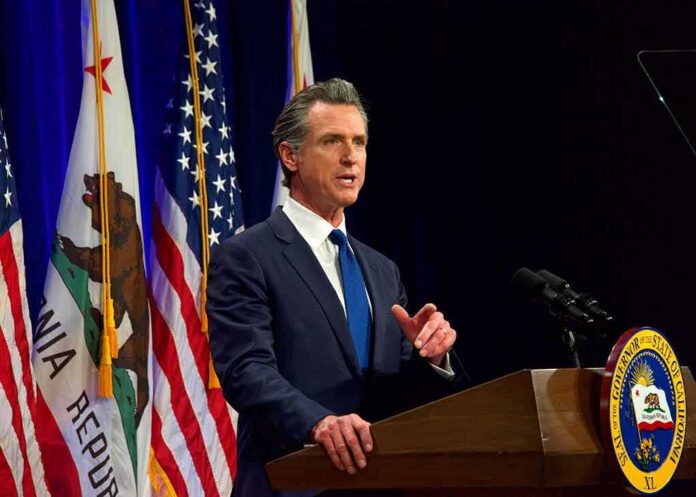
California’s governor signed a state order to keep using “artificial intelligence” after President Trump told federal agencies to call it “super intelligence.”
Story Snapshot
- Governor Gavin Newsom ordered California agencies to keep using “Artificial Intelligence” and “AI.”
- President Trump directed federal agencies to use “Super Intelligence” (“SI”) in place of “AI.”
- Newsom paired the move with an AI oversight push, including audits and a possible “kill switch.”
- The clash highlights how leaders use executive orders to shape language and power.
What Newsom’s Order Says And Who It Covers
Governor Gavin Newsom signed a California executive order on September 30, 2026. The order tells agencies under his control to keep using “Artificial Intelligence” and “AI” in official work, even if the federal government uses a new term. Reports say the instruction applies to communications, documents, and policy materials inside state government. This action sets a clear state standard for how workers and the public will see the technology named in California.
Newsom’s public post reinforced the directive’s message, framing it as a standing rule inside the state. Several outlets reported the same core facts: the governor rejected the federal rename and told state agencies to stick with “AI.” These accounts align on timing and scope, though they summarize the language rather than publish the signed order’s full text. That leaves a small gap for document hunters but not for the basic news of what California intends to do.
Trump’s Rename And The Federal Scope
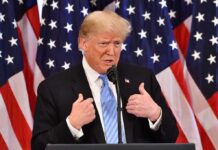
President Trump ordered the federal executive branch to replace “Artificial Intelligence” with “Super Intelligence,” or “SI.” A White House fact sheet states he signed an executive order to direct departments and agencies to use the new term in communications and policy documents. The president argued the technology is not “artificial” and that the new name better fits its power. The directive aims to standardize language across the federal government.
The rename surfaced in speeches and media coverage around late September 2026. Reports described the policy as covering non-statutory executive branch materials. That suggests federal agencies will shift style and messaging, while laws and regulations with “AI” in their text remain unchanged unless amended by Congress. The move sets a top-down vocabulary for Washington, which can shape contractors’ language and how the press describes federal initiatives.
Why The Words Matter Beyond Labels
Terminology fights can look like theater, but naming is a form of power. The federal government’s words ripple through grants, guidance, and vendor paperwork. A different term can nudge how the public sees risk and promise. California’s counter-order tries to hold the line on a familiar label used by universities, courts, and industry. The state’s stance also signals to workers and firms that its rulemaking will not hinge on a branding change from Washington.
BREAKING: LOL! Gov. Gavin Newsom brilliantly trolls Trump by signing an executive order declaring that Artificial Intelligence will be "permanently" called "Artificial Intelligence" in California.
This is extra funny when you consider where Silicon Valley is located…… pic.twitter.com/5MlMCvOI4M
— Occupy Democrats (@OccupyDemocrats) October 1, 2026
State and federal symbols often carry weight even when immediate legal effects are narrow. Here, California also advanced a broader oversight agenda, including plans for independent audits and an emergency “kill switch” proposal for risky models. That policy track reaches beyond words and into enforcement and safety design. It shows the state wants both steady language and stronger guardrails as systems spread into schools, workplaces, and public services.
What Citizens Should Watch Next
People should watch how agencies and contractors actually write. If Washington’s “Super Intelligence” term becomes standard in forms and grants, most of the country may adopt it by habit. If California keeps “AI” across state websites, bids, and consumer notices, millions will still read the older term every day. The result could be a split vocabulary, which can confuse citizens and small businesses trying to follow rules across state and federal lines.
Voters on the right and left see a deeper issue: leaders trade symbols while core problems linger. Families worry about jobs lost to automation, data abuses, and scams. Workers want clear safety rules and real accountability. The public also wants less spin and more plain talk. Whatever the label, people will judge this era by whether schools, hospitals, and main-street shops get tools that are safe, fair, and useful—and whether watchdogs can shut them off when they are not.
Sources:
twitchy.com, forbes.com, ground.news, x.com