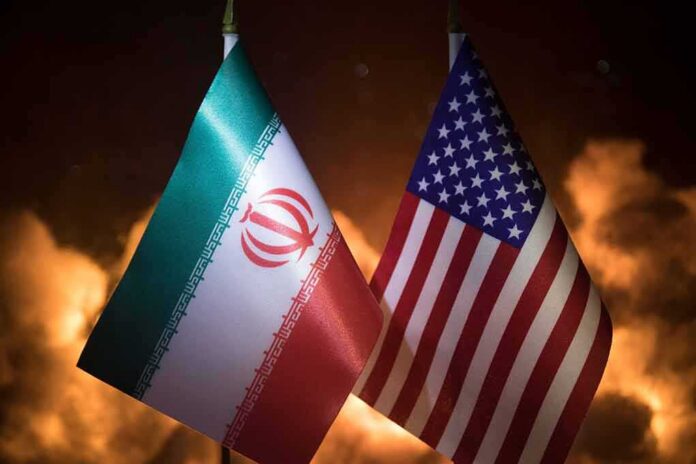
At the United Nations, President Trump warned Iran to choose a deal or face “annihilation,” while Iran’s president vowed never to surrender.
Story Highlights
- Trump presented a binary choice for Iran at the United Nations: agreement or rapid destruction.
- The White House pushed for complete economic isolation to force Tehran’s hand.
- Iran’s President Masoud Pezeshkian said Iran would not bend, claiming it is a victim of terrorism.
- Both speeches fit a high-stakes pattern of threats mixed with calls for talks, risking escalation.
What Triggered the Standoff at the United Nations
President Trump used his United Nations address on September 22 to lay out a stark choice for Iran. He said he faced a “big decision” between striking a deal or “annihilating” the Islamic Republic, and he tied that warning to stopping Iran from getting a nuclear weapon. He also urged other nations to tighten pressure on Tehran, calling for “complete economic isolation” to force change in Iran’s behavior. The remarks drew global attention and immediate pushback.
Coverage from major outlets described the same core message. Reports said Trump framed the moment as a live decision between diplomacy and destruction, not a distant threat. The remarks came amid an ongoing conflict context and claims from the administration that pressure and force had blocked Iran’s path to a bomb, though the record provided contains no inspection reports here to verify those claims. That evidence gap fueled concerns about escalation and global fallout.
How Iran’s Leader Answered the Threat
Iranian President Masoud Pezeshkian spoke from the same United Nations stage the next day. He rejected the terrorism label and said Iran was the victim of terrorism and attacks. He added that Iran would not bow its head or bend at the knee under pressure. He said Iran was ready for dialogue and negotiations, but not under the “language of force,” staking a defiant but diplomatic line before a global audience.
Pezeshkian also described harm to civilians and blamed the United States and Israel for fueling instability. He said innocent people had died under bombs tied to Western weapons, seeking to shift moral blame and win sympathy abroad. His countermessage aimed to blunt U.S. leverage while signaling that talks are possible if pressure eases. That position challenges Washington’s bet that maximum isolation will force a fast concession from Tehran.
Why This Moment Matters for Americans
This clash shows how leaders use the United Nations to run hardball diplomacy. The United States raised the stakes with a public threat and a push for total isolation. Iran met that with vows of resistance and a narrow door for talks. That mix can boost leverage, but it can also raise the risk of miscalculation, higher oil prices, and wider conflict. History shows threats and sanctions often need proof, clear goals, and allied unity to work well.
Americans on the right and left may see their core worries reflected here. People who fear a weak response to hostile regimes see resolve. People who fear endless war see a path to escalation without clear evidence in public view. Both sides ask if Washington is serving the people or staging theater. Until verifiable records and inspection findings are shared, the public debate will lean on speeches and headlines rather than hard documents, keeping trust low and tensions high.
Sources:
youtube.com, nytimes.com, abcnews.com, bbc.com, theguardian.com, courthousenews.com, dw.com