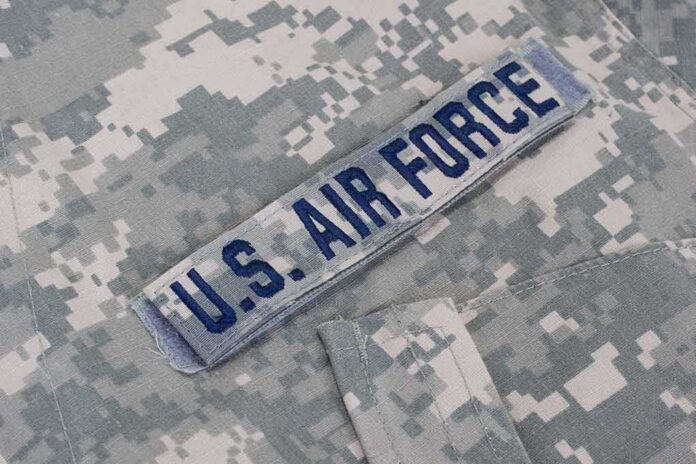
After an American F-15E was shot down over Iran, U.S. forces fought through missiles, mountains, and time to pull two Airmen out alive.
Story Highlights
- The Air Force says both crew members were rescued after their jet was shot down over Iran.
- The pilot was recovered within hours; the weapons officer evaded capture for roughly two days.
- Officials describe one of the largest and most complex combat rescues in recent memory.
- The rescued colonel has now spoken publicly about the ordeal and the rescue.
What Happened: A Shootdown and a High-Risk Rescue
U.S. officials said an American fighter jet was shot down over Iran, and search teams recovered one of two crew members who ejected, marking a rare shootdown of a U.S. aircraft in combat. The Air Force later announced that both crew members were rescued after a two-day operation inside Iran, following the crash during a combat mission. The second recovery capped a large, fast, and dangerous effort that moved from first contact to extraction under threat from Iranian forces and local militias.
News outlets reported the pilot was recovered within hours, while the weapons systems officer, a colonel, remained on the ground until a special operations team reached him. Military coverage described hundreds of personnel, many aircraft, and several close calls as the mission unfolded. The operation matched textbook combat search and rescue steps: locate, support, authenticate, and extract, all under hostile pressure. That speed and coordination helped beat enemy patrols to the survivor.
On the Ground: Survival, Evasion, and the “Terrifying” Wait
The rescued colonel has now spoken in a televised interview, describing his fall, painful injuries, and long hours hiding in rugged terrain. He said he prayed and used his survival training while he moved, signaled, and watched for armed searchers nearby. Reports said he was alone for about two days before teams reached him. That timeline lines up with standard doctrine, which expects the enemy to flood the area, forcing careful verification before any pickup attempt.
Accounts from national and defense media described how the downed officer climbed to higher ground, found cover, and kept communications gear safe while evading capture. That basic playbook traces back decades: save strength, keep a low profile, confirm identity with rescuers, and move only when it helps survival. The goal is simple and hard: stay alive long enough for friendly forces to gain control of the air and the ground around you.
Inside the Mission: Scale, Deception, and Air Dominance Under Strain
Military reporting said senior leaders called the mission one of the largest, most complex rescue efforts in years. Open-source coverage cited dozens of aircraft, surveillance platforms, and strike packages protecting the route in and out. One report said the Central Intelligence Agency used a deception plan inside Iran to confuse hostile trackers. That tactic fits long-standing personnel recovery practice: create doubt for the enemy while clearing a narrow window to extract the survivor.
This rescue showed American reach, but it also showed risk. Analysts noted that even after weeks of heavy strikes, Iran could still shoot down an advanced U.S. jet and threaten a downed crew. That means air superiority can be broad but not perfect, and rescue costs climb fast when missiles and gun teams can still contest the sky and the ridgelines. The military’s answer was mass: more eyes, more jets, and faster moves to control the rescue space.
Why It Matters: Trust in the Mission and the People Who Run It
Americans across the political map can see two truths in this event. First, U.S. service members carried out a risky, disciplined rescue and brought their teammates home. That is a real win for the crews who train for the worst day and still go. Second, the shootdown itself is a warning. Adversaries can still punch through, even with modern jets overhead, and that raises the price of every mission and every rescue.
For many readers, this also taps a deeper worry about leadership and accountability. People on the right and left often feel that Washington’s most powerful protect their own careers first. This rescue showed courage at the edge, but it also showed how fast war forces hard choices. The country owes these crews the tools, plans, and clarity to win quickly and come home. That means clear goals, honest briefings, and steady support that outlasts politics.
Sources:
thegatewaypundit.com, cbsnews.com, en.wikipedia.org, yahoo.com, nypost.com, airandspaceforces.com, nbcnews.com, reuters.com, blogs.jonathancecilj.dev, apps.dtic.mil, wsj.com, bbc.com, businessinsider.com, copernical.com