A federal judge temporarily blocked the Postal Service from enforcing key parts of a mail-voting rule for the 2026 elections, resetting the battlefield over who controls election procedures and voter data.
Story Highlights
- A court issued a preliminary injunction halting the Postal Service from implementing part of a mail-voting rule for 2026 elections.
- States and advocacy groups say the rule would force rapid, sweeping changes and risk disenfranchising voters.
- The Postal Service says the rule aims to track ballots, aid law enforcement, and reduce fraud while leaving eligibility decisions to states.
- Litigation continues over timing, privacy, and the Postal Service’s authority to demand voter lists and set envelope standards.
What The Judge’s Block Means For November
A federal court granted a preliminary injunction stopping the United States Postal Service from implementing a section of a new mail-voting rule tied to President Trump’s 2026 executive order, at least for the November 2026 midterm elections and earlier contests. The order pauses enforcement while the case proceeds. The ruling does not finally decide who is right on the law. It prevents sudden rule changes that could disrupt election plans already underway this fall.
Reuters reported that the presiding judge also criticized the Postal Service for moving forward with a final rule despite earlier court limits, underscoring the high-stakes timing fight before November. That concern reflects a basic election law norm: do not rewrite procedures on the eve of voting. Courts often weigh stability against new rules, even rules that aim to tighten controls. Here, the court favored stability for 2026 while keeping arguments alive.
Why States And Groups Sued The Postal Service
State attorneys general and voting-rights groups argue the final rule would force rushed overhauls to vote-by-mail systems and invite errors that could keep valid votes from counting. Colorado coverage summarized claims that the rule clashes with the Constitution, federal privacy law, and the Postal Service’s own statute. Plaintiffs say the Postal Service strayed beyond its lane by dictating election administration steps to states. They also warn the data demands create privacy and security risks.
Wisconsin’s filing says the rule would require states to send the Postal Service a list of mail voters 60 days before the election and load eligible mail voters into a new Postal Service database. That step would come while ballots, printers, and staffing are already locked in. Complying could mean new software links, new audits, and new staff training with little time. Plaintiffs frame this as an impossible timeline with real risk to voters who rely on mail ballots.
The Postal Service’s Case For Standardization And Tracking
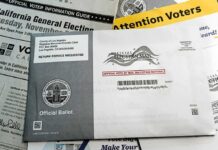
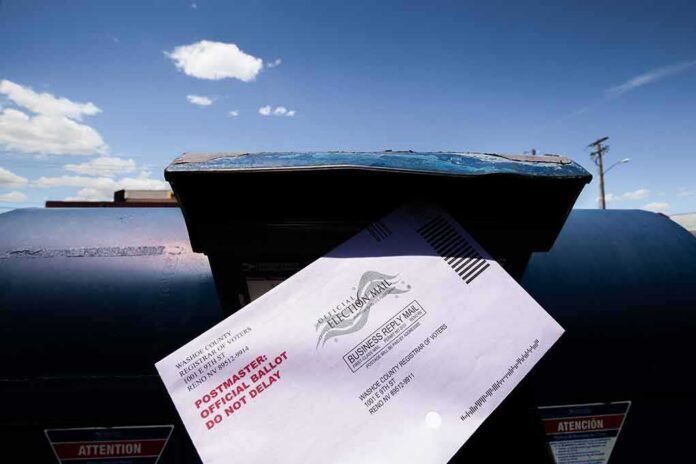
The Postal Service says the rule would improve ballot tracking, help law enforcement, and reduce fraud, while leaving voter eligibility decisions to the states. The plan would standardize ballot envelopes with Election Mail markings, require unique Intelligent Mail barcodes, ensure automation compatibility, and route designs through Postal Service review. Supporters argue these steps create a uniform, nationwide audit trail for mailed ballots, closing chain-of-custody gaps across states.
Agency summaries also say officials could compare how many ballots were mailed with how many returned to flag problems for review, not to open ballot envelopes or collect party data. In plain terms, the Postal Service wants to log exterior envelope data and barcodes to ensure ballots move as the law requires. Backers believe this adds transparency. Critics answer that the data flow and deadlines are too heavy for state systems this close to Election Day.
Key Tension: Federal Mail Rules Versus State Election Authority
California’s attorney general describes the rule as unconstitutional and outside the Postal Service’s authority because it interferes with states’ power to run elections. That mirrors a long-running fight in American elections: who sets the rules, and when. The court’s temporary block reflects caution about late changes. It does not settle whether the Postal Service can set mail standards that touch how states prepare and track ballots.
TRUMP'S MAIL-VOTING ARCHITECTURE (EO 14399, as unlocked Aug 24–26, 2026)
Summary
DHS creates a new federal citizenship-reference layer.
DOJ attaches potential enforcement consequences to how state officials respond to it.
USPS independently creates a voter-linked ballot-mail…— Thomas Paine Alliance 4 Environment & Equality (@JeffersonianAll) August 27, 2026
Expect more filings and fast hearings as November nears. Plaintiffs want the court to keep the brakes on the rule this cycle and clarify the scope of prior orders. The Postal Service defends the rule as a neutral fix to standardize envelopes and tracking to protect every legal vote. For readers, the bottom line is simple: the rule is on hold for now, the fight is not over, and stability for 2026 remains the court’s short-term priority.
Sources:
thegatewaypundit.com, cnbc.com, cpr.org, axios.com, reuters.com, oag.ca.gov, abc7.com, aclu.org