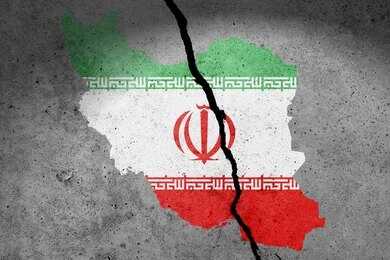
President Trump’s stark warning reveals Iran’s regime may simply swap one hardline tyrant for another, ensuring endless threats to America and Israel persist unchecked.
Story Snapshot
- Israeli airstrike on February 28, 2026, eliminates Ayatollah Ali Khamenei, Iran’s Supreme Leader for 37 years of anti-U.S. aggression.
- Trump declares worst-case scenario is a successor as radical as Khamenei, maintaining nuclear ambitions and terror sponsorship.
- Iran’s new leadership contacts White House for talks, but IRGC pushes rapid hardliner replacement amid public unrest.
- U.S. prioritizes forcing behavioral change over full regime collapse, backing Israel’s pressure campaign.
Khamenei’s Demise Shakes Iran’s Hardline Core
Israeli airstrikes killed Ayatollah Ali Khamenei on Saturday, February 28, 2026, over Tehran. Smoke rose after a second wave targeted regime sites. This followed escalating U.S.-Israeli operations that eliminated dozens of Iranian leaders in recent weeks. Khamenei, who ruled since 1989, championed anti-Western policies, nuclear development, and IRGC-backed terrorism across the Middle East. A three-person temporary council, including cleric Alireza Arafi, now governs provisionally. The IRGC demands swift action to lock in hardline control despite economic ruin and widespread protests.
Trump’s Pragmatic Assessment of the Threat
President Trump stated Tuesday that Iran’s worst outcome is selecting a new leader as vicious as Khamenei. Potential successors like son Mojtaba Khamenei, Ali Larijani, and Gholamhossein Mohseni Ejei all embody regime extremism. Larijani, tied to past protest massacres, threatened an “unforgettable lesson” against U.S. and Israel. Defense Secretary Pete Hegseth noted regime change happened organically, making the world safer without U.S. boots on the ground. Trump welcomes talks from “new Iranian leadership” but eyes behavioral shifts over superficial rebranding.
Succession Battle and External Pressures
The Assembly of Experts, 88 senior clerics, holds power to choose Khamenei’s replacement soon under IRGC pressure. Hardliners dominate: Mojtaba advances destabilization via IRGC forces; Arafi endorses violence against protesters. Rare moderate Hassan Khomeini, grandson of the revolution’s founder, pushes negotiations but faces slim odds. Israel under Netanyahu aims to prevent any seamless transition, echoing June 2025’s “12-day war” on nuclear sites. U.S. strategy encourages Iranian public uprising while sustaining air operations, avoiding ground involvement.
Power rests with Assembly and IRGC, as public discontent grows amid crushed protests and over 10,000 recent deaths. External strikes disrupt hardliner plans, but experts warn of quick Hamas-style replacement.
BREAKING
Trump says ‘worst case’ in Iran is new leader ‘as bad’ as Khamenei!
Well what do you know Trump pulled a GWB!The U.S. and israel are carrying out heavy airstrikes against Iran. Video online show a strike in the city of Urmia using a large 2,000-pound guided bomb! pic.twitter.com/lYIKToBSe6
— Lee Golden (@LeeGolden6) March 3, 2026
Implications for U.S. Security and Stability
A hardliner successor risks escalation, sustaining terrorism and nuclear pursuits that endanger Israel and Arab allies. Talks offer a narrow de-escalation path if moderates emerge, though experts like Gordon Gray call it a “distinction without a difference.” Iranian economy collapses under sanctions; social unrest boils without overthrow capability. U.S.-Israel campaign could last weeks, spiking oil prices and testing Middle East calm. Trump’s focus on behavior change aligns with conservative priorities: protect American interests, dismantle terror networks, and reject endless globalist entanglements.
Sources:
Fox News: Trump says Iran wants talks, who will lead after Khamenei
Politico: Compass on Iran’s regimes
Fox San Antonio: Iran could dictate course of conflict with who it chooses for new leader
Time: Iran Ayatollah Ali Khamenei successor next Supreme Leader
Soufan Center: Intelbrief 2026 March 1b