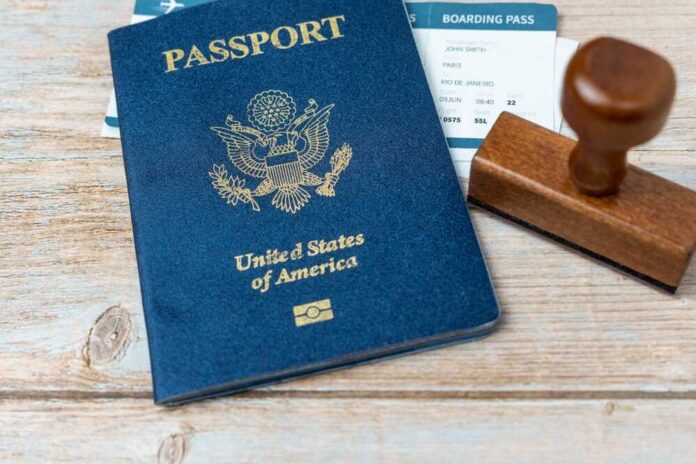
Supreme Court faces pivotal challenge to birthright citizenship as Trump’s Executive Order 14160 risks upending 150 years of constitutional precedent amid frustrations over illegal immigration and endless foreign entanglements.
Story Highlights
- Trump signed Executive Order 14160 denying U.S. citizenship to children of undocumented immigrants and temporary visa holders.
- Federal courts blocked the order multiple times, citing violations of the Fourteenth Amendment and 1898 Wong Kim Ark precedent.
- Supreme Court hears oral arguments this week, first major review since 1898, testing “subject to the jurisdiction thereof” clause.
- Order targets anchor babies, aligning with conservative push against illegal immigration incentives, but faces strong legal hurdles.
- Potential ruling could limit automatic citizenship, easing burdens on taxpayers while preserving constitutional limits on government overreach.
Executive Order Targets Illegal Immigration Anchor Babies
President Trump signed Executive Order 14160 directing federal agencies to deny citizenship to children born in the U.S. to undocumented mothers or those present unlawfully or temporarily, and fathers lacking citizenship or permanent residency. This move addresses long-standing conservative concerns that birthright citizenship incentivizes illegal border crossings and chain migration. Families exploit the policy, securing lifelong benefits for offspring and pathways to sponsor relatives, straining public resources already stretched by inflation and fiscal mismanagement from prior leftist regimes. Trump promised to end such abuses, prioritizing American workers and sovereignty.
Historical Precedent Under Fire: Wong Kim Ark at 128 Years
The 1898 Supreme Court decision in United States v. Wong Kim Ark established that children born on U.S. soil gain citizenship regardless of parental status, rooted in the Fourteenth Amendment ratified in 1868 to overturn Dred Scott and secure rights for freed slaves. Justice Horace Gray’s opinion affirmed broad application, including to children of resident aliens, with exceptions only for diplomats. Conservatives argue the “subject to the jurisdiction thereof” clause excludes those owing allegiance elsewhere, like illegal entrants, offering a textual path to reform without new amendments. This precedent has enabled mass exploitation, fueling demands for clarity.
Federal Courts Block Implementation Nationwide
Multiple federal courts in Massachusetts, New Hampshire, and the District of Columbia halted Executive Order 14160, ruling it unconstitutional and contrary to over a century of precedent plus federal statute 8 U.S.C. 1401. Groups like the NAACP Legal Defense Fund and ACLU sued immediately, claiming violations of established law. Lower courts upheld Wong Kim Ark’s interpretation that jurisdiction covers all born here except narrow diplomatic cases. This standoff elevates the dispute to the Supreme Court, where justices will scrutinize original intent amid 2026’s war strains and MAGA divisions over foreign commitments versus domestic border security.
Supreme Court Oral Arguments Signal Major Test
The Supreme Court schedules oral arguments this week on challenges to Executive Order 14160, marking the first deep review of birthright citizenship since 1898. Constitutional scholars like Gregory Downs note its foundational role since 1868, while others like Martha Jones and Kate Masur filed briefs for broad inclusion. The Brennan Center highlights consistent interpretation across government branches favoring birth on soil. Conservatives see opportunity to realign with limited government, curbing illegal immigration’s pull factors without endless wars or woke overreach eroding family values and sovereignty.
High Court Set To Hear Oral Argument This Week On Birthright Citizenship Case
READ: https://t.co/Qh5u5n1QLV pic.twitter.com/7AK6UDN07j
— The Gateway Pundit (@gatewaypundit) March 30, 2026
Potential Impacts on Immigration and Constitution
Upholding the order could strip citizenship from millions in mixed-status families, creating stateless classes and administrative hurdles but deterring illegal entries that burden schools, hospitals, and welfare. Critics warn of division; supporters view it as restoring fairness, ending incentives for lawbreaking amid high energy costs and war fatigue. The case probes federal power limits, echoing conservative calls for constitutional fidelity over globalist policies. A reversal would affirm text over activism, bolstering Second Amendment-like defenses of founding principles against erosion.
Sources:
American Immigration Council: Origins of Birthright Citizenship Explained
UC Davis Letters and Science: Brief History of Citizenship and 14th Amendment
SCOTUSblog: A History of Birthright Citizenship at the Supreme Court
Brennan Center: Birthright Citizenship Under the U.S. Constitution
White House: Protecting the Meaning and Value of American Citizenship
American University Law Review
NAACP LDF: Know Your Rights – Birthright Citizenship
SCOTUSblog: Birthright Citizenship and the 1952 Statute