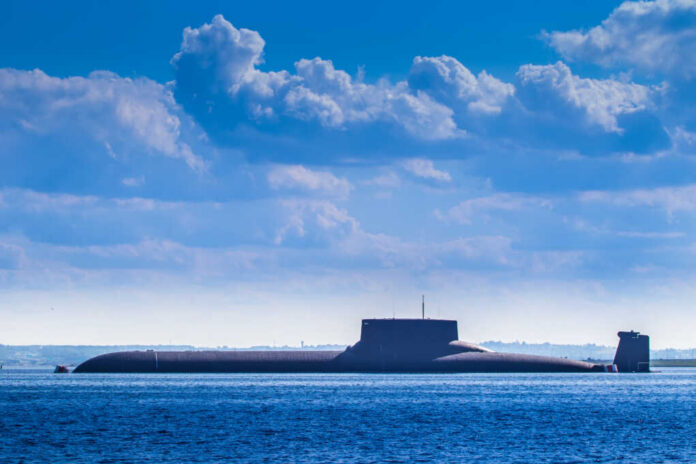
A shortsighted post-Cold War decision to abandon America’s most lethal submarine program has left our Navy dangerously understaffed in undersea warfare capabilities, proving once again that political budget cuts undermine long-term national security.
Story Highlights
- Pentagon canceled the Seawolf-class program in 1992, slashing plans from 29 submarines to just three despite warnings from defense experts
- Navy faces critical submarine shortfall in 2026 with aging Los Angeles-class retiring and slow Virginia-class production plagued by workforce shortages
- Electric Boat industrial base suffered production halt that created costly restart challenges and skills gaps still impacting submarine construction today
- Only three Seawolf submarines remain operational with maintenance issues limiting availability as global submarine threats proliferate to over 20 nations
Cold War Excellence Sacrificed for Budget Politics
The Seawolf-class submarine represented the peak of American undersea warfare engineering when the Navy ordered the first hull from Electric Boat in 1989. Designed with HY-100 steel for unprecedented depth capabilities and engineered as the quietest fast-attack submarine ever built, the Seawolf program aimed to deliver 29 vessels capable of carrying 50 Tomahawk missiles while maintaining superiority over Soviet submarine forces. Defense Secretary Dick Cheney announced the program’s cancellation in January 1992, citing the Soviet Union’s collapse and the allure of a “peace dividend” that prioritized short-term budget savings over sustained military readiness.
Industrial Base Destruction and Workforce Collapse
The abrupt halt devastated Electric Boat and the broader submarine construction industry, forcing a production hiatus from fiscal year 1993 through 1997 that eliminated critical skilled labor and supplier networks. Senator Joseph Lieberman warned in 1992 that terminating the program risked leaving America vulnerable to submarine proliferation among emerging threats while crippling the industrial capacity needed for future builds. The prediction proved accurate as the Navy’s BuildSubmarines campaign launched in November 2022 reveals a staggering 100,000-worker shortage plaguing efforts to construct the cheaper Virginia-class submarines that replaced the Seawolf program.
Navy Faces Critical Submarine Gap in 2026
Only 23 Los Angeles-class submarines remain active from the original 62-hull fleet, with retirements of USS Scranton, Alexandria, and Annapolis scheduled through 2027 as these aging boats reach service life limits. The Virginia-class program has produced just 24 operational submarines against a requirement for 69, with 10 currently under construction but delayed by the workforce crisis created decades earlier. The three Seawolf submarines—USS Seawolf, USS Connecticut, and USS Jimmy Carter—remain homeported at Naval Base Kitsap, Washington, but face maintenance constraints that limit availability. USS Connecticut sits in repairs following a 2021 collision with expected completion in late 2026, while USS Seawolf entered major overhaul in April 2026.
Strategic Blunder Echoes Across Decades
Defense experts at the U.S. Naval Institute characterized the 1992 cancellation as a “shock” that ignored emerging threats from over 20 nations acquiring advanced submarine technologies. The decision mirrored other post-Cold War cuts that sacrificed proven capabilities for budget savings, similar to the retirement of Iowa-class battleships despite their Gulf War effectiveness. The attack submarine force that military planners projected at 63 hulls by 2000 has collapsed dramatically, with gaps in Arctic operations and stealth capabilities that the unmatched Seawolf-class was specifically designed to provide. This pattern of prioritizing short-term fiscal concerns over long-term defense requirements represents government decision-making at its worst, leaving America’s submarine force undermanned precisely when Chinese and Russian undersea threats demand superiority.
The U.S. Navy’s Big Mistake: ‘Sinking’ the Seawolf-Class Stealth Submarine Programhttps://t.co/xAPLEph5XS
— 19FortyFive (@19_forty_five) February 13, 2026
The Seawolf program’s destruction stands as a cautionary tale about sacrificing military excellence for political expediency. While budget-conscious lawmakers celebrated immediate savings, they ignored warnings about industrial base erosion and force structure gaps that would take decades to manifest. USS Seawolf’s historic 2020 Arctic deployment demonstrated the continuing value of these three exceptional submarines, yet the Navy lacks sufficient fast-attack boats to meet global commitments as peer competitors expand their own undersea fleets with capabilities designed to challenge American dominance.
Sources:
US Navy – Proceedings, April 1992
The Russians Couldn’t Touch the Seawolf-Class Submarine. Budget Cuts Could – The National Interest
The U.S. Navy’s Big Mistake: ‘Sinking’ the Seawolf-Class Stealth Submarine Program – 19FortyFive
Seawolf: Reasons Why – Proceedings, June 1992
America’s Big Seawolf-Class Submarine Mistake Still Stings – National Security Journal
Seawolf Class Submarine – Naval Encyclopedia
Seawolf-class Submarine – Naval Technology