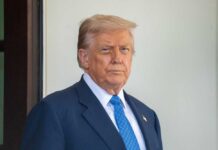
GOP hawks are openly defying President Trump’s NATO skepticism, risking party fractures that could undermine his America First agenda amid rising global threats.
Story Snapshot
- House Armed Services Chair Mike Rogers and Senate counterpart Roger Wicker issued a joint rebuke against rumored Trump plans to abandon the NATO SACEUR position.
- Republican leaders demand interagency process and congressional input before any U.S. pullbacks from NATO or Pacific commitments, signaling internal GOP tensions.
- Isolationists like Rep. Thomas Massie push full NATO withdrawal via HR 6508, clashing with establishment hawks who prioritize deterrence against Russia.
- No White House confirmation of changes; rumors persist as Gen. Cavoli’s tenure nears end, with NDAA restrictions limiting unilateral moves.
GOP Leaders Issue Direct Warning to Trump
Republican House Armed Services Committee Chairman Mike Rogers of Alabama and Senate Armed Services Committee Chairman Roger Wicker of Mississippi released a joint statement on March 20, 2025. They rebuked reports of Trump administration considerations to vacate the U.S. NATO Supreme Allied Commander Europe (SACEUR) role. The leaders called such unilateral actions risks to global deterrence without proper interagency coordination or congressional consultation. This marks rare public pushback from GOP chairs against Trump’s foreign policy direction. They affirmed support for burden-sharing goals that Trump championed but insisted on structured processes to avoid signaling weakness to adversaries like Russia.
Background on NATO Role and Trump Skepticism
NATO established the SACEUR position in 1949 to lead collective defense under Article 5, with the U.S. filling it continuously since inception. Army Gen. Christopher Cavoli currently holds the dual-hatted role as U.S. European Command head. Trump’s first term pressured allies to meet 2% GDP defense spending targets, yielding gains dubbed the “Trump effect.” Recent events include Russia’s 2022 Ukraine invasion, U.S. troop surges in Europe like Romania, and Russian drone incursions into NATO airspace. Trump’s second term features military reforms, including dismissing Joint Chiefs Chairman Gen. CQ Brown, amid rumors of NATO leadership shifts reported by NBC News the week of March 17, 2025.
Isolationist Push Contrasts with Hawkish Concerns
Rep. Thomas Massie (R-Ky.) introduced HR 6508 by December 11, 2025, seeking U.S. withdrawal from NATO under Article 13’s one-year exit clause. Massie labels NATO a “Cold War relic” costing trillions and risking unnecessary U.S. wars, with co-sponsor Rep. Anna Paulina Luna (R-Fla.). Sen. Mike Lee (R-Utah) filed a Senate companion “NATO Act.” These moves align with Trump’s base prioritizing domestic borders over endless foreign commitments. Rogers and Wicker, however, warn that abrupt pullbacks send wrong signals to Putin, especially amid Ukraine ceasefire talks and October 29, 2025, criticisms of Romania troop drawdowns.
Defense Secretary Pete Hegseth oversees Pentagon changes framed as empowering allies, but Congress holds leverage through National Defense Authorization Act (NDAA) funding and restrictions barring Europe drawdowns without certification. Legal experts note 2024 NDAA provisions like the Kaine-Rubio measure require two-thirds Senate approval for exit, complicating rapid changes. As of early 2026, no formal announcements confirm SACEUR vacancy or full withdrawal, though rumors linger post-NBC report.
House Republican Warns Trump of GOP ‘Civil War’ if President Withdraws U.S. From NATO https://t.co/JsTf6jbaMN
— Mediaite (@Mediaite) March 18, 2026
Impacts on U.S. Security and Party Unity
Short-term risks include undermined deterrence against Russia following drone incidents and disruptions to Ukraine negotiations from perceived U.S. retreat. A SACEUR vacancy could fracture NATO command structures affecting U.S. troops in Europe. Long-term, withdrawal promises trillions in savings for domestic priorities per Massie, but hawks fear emboldened adversaries and lost transatlantic influence. This deepens GOP divides between isolationists favoring Pacific pivots and borders, and hawks defending alliances. Taxpayers face spending debates, while broader shifts weaken ties amid migration and Russian threats. Trump continues non-NATO ally talks, like securing the Strait of Hormuz.
Sources:
GOP leaders warn Trump not to abandon NATO post, Pacific buildup plans
Thomas Massie introduces bill to pull US out of NATO
Top Republicans slam Trump administration’s troop drawdown in Romania
Can Trump Pull the United States Out of NATO?