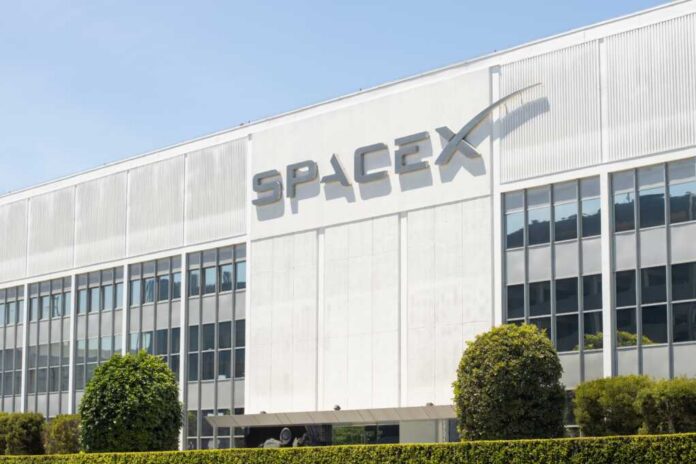
Elon Musk’s SpaceX is preparing a confidential IPO filing that could saddle everyday Americans with the financial risks of a company built on government contracts while Wall Street banks position themselves to rake in billions from what would be history’s largest public offering.
Story Snapshot
- SpaceX targets June 2026 public debut with unprecedented $1.75 trillion valuation, raising $50-75 billion through confidential SEC filing
- Major Wall Street banks Morgan Stanley, Bank of America, Goldman Sachs, and JPMorgan Chase orchestrating massive IPO syndicate
- Over 20% of shares earmarked for retail investors who will absorb risk while insiders and institutions secure liquidity
- Company’s valuation doubled since July 2025 despite integration complexities with xAI and volatile Starship development timeline
Wall Street’s Biggest Payday Built on Taxpayer Dollars
SpaceX plans to file confidential IPO documents with the Securities and Exchange Commission as early as March 2026, according to multiple media reports from SatNews and The Information. The company founded by Elon Musk in 2002 has remained private for over two decades, growing its valuation through venture capital, NASA contracts funded by American taxpayers, and secondary share sales. Now Wall Street’s biggest players are lining up to profit from what amounts to a publicly-funded enterprise going public at a staggering $1.75 trillion valuation—more than double its worth from just eight months ago.
The confidential filing process, permitted under the JOBS Act for emerging growth companies, allows SpaceX to conduct regulatory review privately before exposing its financials to public scrutiny. This same approach was used by Facebook before its IPO, enabling companies to manage complex disclosures away from public view. For SpaceX, this strategy appears designed to obscure the integration challenges with xAI, which adds approximately $1.25 trillion in combined private valuation, and the ongoing volatility surrounding Starship development. The company’s valuation surged from $1.5 trillion targeted in December 2025 secondary sales to the current $1.75 trillion estimate.
Retail Investors Set Up as Bag Holders
SpaceX plans to allocate more than 20 percent of IPO shares to retail investors, a move being marketed as democratizing access to space investment. In reality, this structure positions everyday Americans to absorb market risk while company insiders, early venture capitalists, and institutional investors secure their exit with guaranteed liquidity. The timing raises serious questions: Why go public now after maintaining private status through years of growth? The answer likely lies in providing liquidity for employees and early investors who have watched valuations soar, while shifting future financial uncertainty onto the backs of working-class shareholders.
The company’s decision to pursue a June 2026 public debut hinges partly on a major Starship test launch scheduled for late March 2026. Industry analysts note this test is critical for institutional investor confidence, yet retail investors are being invited to buy shares before this crucial technical milestone is achieved. If Starship encounters failures, newly minted public shareholders will bear the financial consequences while insiders will have already cashed out. This represents the classic Wall Street playbook: privatize the gains, socialize the losses, and let Main Street hold the bag.
Government Contracts Fueling Private Fortunes
SpaceX’s meteoric rise was built substantially on the foundation of government contracts, particularly lucrative deals with NASA that funneled billions in taxpayer money to develop capabilities the government itself once handled. The company leveraged reusable rocket technology and the Starlink satellite broadband network to achieve its current market position. Now, as SpaceX prepares to go public, the financial gains from these publicly-funded advancements will disproportionately benefit Wall Street investment banks through underwriting fees on the $50-75 billion capital raise, while American taxpayers who funded the initial development receive nothing.
Elon Musk has historically expressed caution about taking SpaceX public, citing concerns about short-term market pressures conflicting with long-term innovation goals. Yet despite these stated reservations, the IPO is moving forward with no direct confirmation from Musk or SpaceX, only insider reports and analyst confirmations. Reuters has been unable to verify the timeline, and SEC EDGAR filings show no public IPO documents as of early March 2026, only prior Form D filings for private fundraising. The lack of transparency raises concerns about accountability and whether this massive public offering truly serves innovation or merely provides an exit strategy for early stakeholders.
Questions About Oversight and Real Beneficiaries
The confidential nature of SpaceX’s filing process means critical financial details remain hidden from public view during the crucial preparation phase. The integration of xAI into SpaceX’s corporate structure adds layers of complexity that demand rigorous disclosure, yet the confidential filing mechanism allows the company to control what information surfaces and when. For conservative investors who value transparency and limited government intervention, the irony is striking: a company built on government contracts now uses regulatory provisions designed to help emerging businesses to avoid public scrutiny while preparing the largest IPO in history.
Morgan Stanley, Bank of America, Goldman Sachs, and JPMorgan Chase stand to collect enormous fees from underwriting this record-breaking offering. These same financial institutions have long benefited from government bailouts, favorable regulatory treatment, and access to cheap Federal Reserve credit. Now they’re positioned to profit handsomely from an IPO that shifts risk from private investors who funded SpaceX’s growth onto retail shareholders who will buy at peak valuations. The broader aerospace industry will feel effects as well, with traditional contractors like Boeing and Lockheed Martin facing intensified competitive pressure, potentially reshaping the sector that underpins national security capabilities.
Sources:
SpaceX Prepares for Record-Breaking $1.75 Trillion Confidential IPO Filing in March – SatNews
SpaceX IPO Filing Report – MEXC