
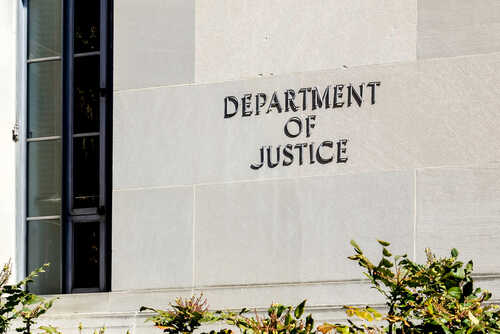
A radical anti-ICE demonstrator allegedly vowed to murder a federal agent’s “whole family,” and the Trump Justice Department says this time the threats will be met with full federal prosecution, not a slap on the wrist.
Story Snapshot
- The Department of Justice is treating explicit death threats against immigration officers as serious federal crimes, not protected protest.
- Recent cases show a pattern of anti-ICE agitators using social media to threaten murder, doxx officers, and incite violence.[1]
- Federal prosecutors say all credible threats against law enforcement will be investigated and charged to protect agents and their families.[2]
- Civil-liberties groups claim some anti-ICE prosecutions chill dissent, but courts draw a clear line between protest and “true threats.”[3][5]
Threats Against ICE Families Cross a Bright Constitutional Line
Federal law has always distinguished between heated political speech and what the Supreme Court calls “true threats” of violence, and the statements at the center of this case fall on the criminal side of that line. According to recent Justice Department actions in similar prosecutions, anti-ICE activists have used social media to call for followers to “hunt” immigration officers, to place “bounties” on their heads, and to threaten to murder agents, sometimes targeting their families as well.[1] These are not vague slogans or abstract slogans about “resistance”; they are direct promises of lethal violence communicated in interstate commerce, which federal threat statutes squarely cover. When a protester singles out an officer and vows to kill his “whole family,” that implicates not only the agent’s safety but also the safety of spouses and children who never chose the line of work.[2] Conservative readers who believe in law and order understand that free speech does not extend to terrorizing families in their homes.
Justice Department officials have repeatedly emphasized that threats against immigration and customs enforcement agents will be treated as serious crimes, not symbolic gestures.[2] In one North Texas case, an illegal immigrant was charged after posting a TikTok video soliciting others to murder immigration agents, prompting prosecutors to stress that “all threats against our agents and officers will be investigated thoroughly.” In another matter from Minneapolis, a self-described Antifa supporter was arrested on federal cyberstalking and threat charges after allegedly posting messages urging followers to forcibly confront and assault federal officers.[1] Those actions allegedly included doxxing a pro-ICE individual and directing harassment toward his family.[1] The Trump Justice Department’s vow to prosecute the latest suspect who threatened to wipe out an agent’s “whole family” fits squarely within this enforcement pattern and sends an unmistakable deterrent message.
How Anti-ICE Threat Cases Have Evolved Since the Trump Crackdown
Since federal immigration enforcement became a flashpoint in the Trump era, a subset of anti-ICE activism has crossed over from protest into organized campaigns of intimidation and, at times, actual violence.[4][5] Federal prosecutors in California announced charges against a dozen defendants linked to anti-ICE rioting, accusing them of assaulting officers, injuring California Highway Patrol personnel, and damaging government property during immigration operations.[5] One defendant faced an assault on a federal officer charge that carried up to eight years in prison.[5] In another high-profile case, Department of Justice officials secured convictions against Antifa cell members involved in a shooting at the Prairieland immigration detention center, describing the matter as part of their “unwavering commitment” to confronting domestic terrorism.[4] Alongside these violent episodes, investigators have documented a stream of online calls to arms against ICE, including explicit murder threats and solicitations to kill agents.[1] This broader pattern explains why the Department is no longer willing to treat a vow to kill an agent’s “whole family” as mere online bluster.
At the same time, not every aggressive prosecution has held up under scrutiny, and that history matters for understanding how far the government can go when it responds to street protests. In Chicago, federal prosecutors brought a rare misdemeanor conspiracy case against six demonstrators accused of impeding a federal officer by surrounding a government vehicle outside a suburban immigration facility.[1][2] The case collapsed after the United States Attorney admitted prosecutors had engaged in misconduct before the grand jury, including dismissing jurors who disagreed with the charges.[1] A judge permanently dropped all remaining counts and signaled that sanctions against the prosecutors were on the table.[2] Civil-liberties advocates cite that debacle, and a separate Los Angeles case where charges against an activist handing out face shields at an anti-ICE rally were abruptly dismissed, as evidence that some line prosecutors have stretched conspiracy and civil-disorder laws too far into First Amendment territory.[3][4] These reversals show that the judiciary can and does push back when the government overreaches, preserving space for peaceful protest while still allowing firm action against genuine threats.
Balancing Free Speech, Officer Safety, and Conservative Concerns
For conservatives who prioritize both constitutional rights and public safety, the key distinction is not whether a speaker is pro- or anti-ICE, but whether the government is punishing speech or prosecuting concrete threats and violence. Legal experts who criticize certain anti-ICE conspiracy cases acknowledge that the real legal hinge is whether a communication qualifies as a true threat, solicitation, or stalking, as opposed to political rhetoric.[3][5] Reports from watchdog groups argue that immigration enforcement agencies sometimes monitor broad anti-ICE sentiment, searching social media for critical posts that do not rise to the level of threats, raising concerns about surveillance of dissent.[5] Yet even these critics differentiate between generic anti-ICE statements and explicit calls to murder officers, which fall outside First Amendment protections.[5] For a Trump-era Justice Department trying to restore order after years of left-wing tolerance for harassment of law enforcement, drawing that line clearly is crucial: protesters can chant, march, and criticize policy, but the moment they promise to “kill” an agent’s “whole family,” federal prosecutors are not just justified in acting—they are constitutionally obligated to defend the lives under threat.
DOJ vows to prosecute anti-ICE protester who vowed to kill agent's 'whole family'https://t.co/k3qcZffTp1
— Stealth Storm (@GusBluegum) May 29, 2026
The pattern that emerges from these cases should reassure readers who worry that Washington still gives a pass to extremists as long as they target the “right” agencies. Under Trump’s second term, federal prosecutors have moved aggressively against those who threaten or assault immigration officers while also seeing some of their weaker protest cases thrown out by judges, reinforcing the boundary between robust dissent and criminal conduct.[1][2][3] That balance is not perfect, and conservatives are right to keep pressing for equal treatment when threats are aimed at local police, school boards, or pro-life advocates. But in the narrow context of anti-ICE threats like a vow to kill an agent’s entire family, the law is clear, the facts echo prior murder-solicitation cases, and the Justice Department’s promise to prosecute is both consistent with precedent and aligned with the basic duty of government: to protect its servants and their families from targeted violence.[2]
Sources:
[1] Web – DOJ vows to prosecute anti-ICE protester who vowed to kill agent’s …
[2] Web – Anti-ICE Antifa member arrested on federal charges of Cyberstalking …
[3] Web – Man Sentenced For Threatening to Murder Federal Agents
[4] YouTube – DOJ Arrests ‘Self-identified Anti-ICE Antifa Terrorist
[5] Web – Antifa Cell Members Convicted in Prairieland ICE Detention Center …