A potential DOJ inquiry into January 6 Committee associates raises questions of political retribution and accountability.
Story Overview
- DOJ official Ed Martin hints at questioning January 6 Committee associates lacking pardons.
- Over 1,500 individuals charged related to January 6 events.
- Potential political motivations behind DOJ’s investigative focus.
- Implications for congressional oversight and justice impartiality.
DOJ’s New Investigative Focus
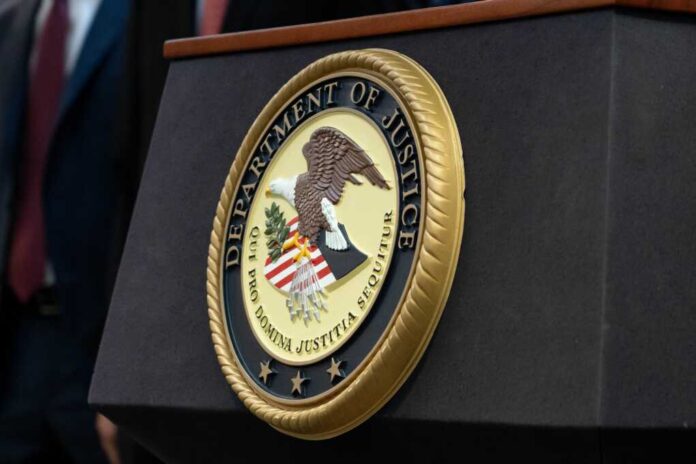
In August 2025, Ed Martin, a Department of Justice official, suggested that individuals associated with the January 6 Committee who did not receive preemptive pardons might be questioned. This development comes amid ongoing investigations related to the January 6, 2021, Capitol attack. The focus on committee associates, rather than just participants, suggests a shift in the DOJ’s investigative priorities, raising concerns about potential political motives.
The suggestion of questioning committee members highlights the complexity of post-January 6 legal and political landscapes. While over 1,500 individuals have been charged in connection with the Capitol attack, the idea of investigating those who probed the events raises questions about political retribution versus legitimate accountability. The involvement of high-level DOJ officials, including Ed Martin, aligns with President Trump’s administration’s interests in addressing perceived injustices from previous investigations.
Political and Legal Implications
The potential inquiry into committee associates could set a concerning precedent for congressional oversight. Legal experts caution that targeting investigators could erode the separation of powers and dissuade future oversight efforts. This development could create a chilling effect, discouraging committees from pursuing investigations that challenge executive actions. The DOJ’s approach, under Attorney General Pam Bondi, appears to reflect a broader strategy aligned with Trump administration goals to address perceived biases in previous investigations.
Historically, the use of congressional committees for high-profile investigations has been contentious. The January 6 Committee’s work, which resulted in criminal referrals and a comprehensive report, was pivotal in documenting efforts to overturn the 2020 election. However, as the DOJ continues its prosecutions, the focus on committee associates raises questions about the balance between political accountability and impartial justice.
Long-Term Impact on Justice and Oversight
The potential questioning of January 6 Committee associates poses significant implications for both justice and congressional oversight. Short-term effects include heightened political tensions and increased scrutiny of DOJ actions. In the long term, this could lead to a precedent where congressional investigators face legal jeopardy, impacting the independence and effectiveness of future oversight efforts. The erosion of public trust in government institutions could further complicate the political landscape, intensifying partisan divides.
As the situation unfolds, it remains crucial to monitor the actions and statements from key stakeholders, including the DOJ and committee members. The lack of preemptive pardons from President Biden for committee associates adds another layer of complexity, as these individuals navigate potential legal exposure amid ongoing investigations.
Trump Weaponization Czar Puts January 6 Committee Associates On Notice https://t.co/5SxyZDJyyV
— Laurence Van Dusen (@lhvd66390000) August 18, 2025
Sources:
January 6 Committee Wikipedia and official reports
DOJ official statements and Special Counsel Smith’s report
January 6 Committee final report and supporting materials
DOJ official statements and press releases