
China has publicly declared its intention to support Cuba in the face of ongoing US threats and an economic blockade. This strategic move, which celebrates 65 years of diplomatic relations between the two socialist nations, is set to bolster their alliance and deepen cooperation in areas like the Belt and Road Initiative and biotechnology. This development directly opposes US policies aimed at isolating the Cuban regime and raises concerns in Washington about China’s growing influence in the Western Hemisphere and the formation of stronger socialist alliances challenging American interests.
Story Highlights
- China pledges support for Cuba amidst US economic blockade.
- Presidents Xi and Díaz-Canel reaffirm socialist ties on 65th diplomatic anniversary.
- Agreements signed to enhance cooperation in Belt and Road and biotechnology.
- China opposes US interference, aiming to deepen strategic ties with Cuba.
China’s Support for Cuba: A Strategic Move
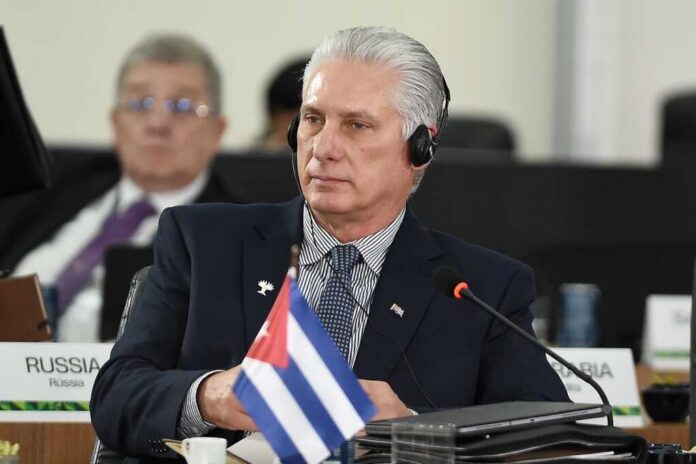
China has publicly declared its intention to support Cuba in the face of ongoing US threats and an economic blockade. This announcement stems from recent high-level meetings between China’s President Xi Jinping and Cuban President Miguel Díaz-Canel, commemorating 65 years of diplomatic relations. This decision is likely to bolster the longstanding socialist alliance between the two nations, sparking concern among those wary of China’s influence in the Western Hemisphere.
Despite economic challenges, China has vowed to continue providing aid to Cuba. This pledge includes enhancing cooperation in pivotal areas such as the Belt and Road Initiative and biotechnology. These sectors are vital for Cuba’s economic growth and stability, making China’s support strategically significant. The agreements signed during these meetings aim to deepen the strategic ties between the two countries, reflecting a shared vision for the future.
30,000 tons donation of Chinese rice arrives in Cuba, a country the US has tried to starve for 65 years pic.twitter.com/vXoPJuTlaN
— COMBATE |🇵🇷 (@upholdreality) January 19, 2026
Implications for US-Cuba Relations
China’s support for Cuba directly opposes US policies aimed at isolating the Cuban regime economically. The US has long maintained a blockade against Cuba, citing concerns over human rights and political freedom. However, China’s involvement could undermine these efforts by providing Cuba with economic and technological resources to counteract US strategies. This situation underscores the complexities of international relations and the shifting power dynamics in global politics.
The growing partnership between China and Cuba also highlights Beijing’s broader geopolitical ambitions. By strengthening ties with countries in the Americas, China is potentially challenging US influence in the region. This development could have far-reaching implications for US foreign policy and its efforts to maintain stability and democratic values in its neighboring countries.
Concerns Over Socialist Alliances
The deepening relationship between China and Cuba raises concerns about the formation of stronger socialist alliances that could threaten US interests. Conservatives view this alliance as a challenge to American values of democracy and individual liberty. The collaboration between China and Cuba could lead to increased influence of socialist ideologies in the Western Hemisphere, complicating US efforts to promote freedom and democracy in the region.
As China continues to expand its influence, it is crucial for US policymakers to reassess their approach to international relations and consider strategies to counteract the growing presence of socialist alliances. This situation serves as a reminder of the importance of maintaining a strong stance on American values and working to preserve the interests of the nation and its allies.
Watch: Why China and Russia are watching Trump’s threats to Cuba closely | DW New
Sources:
China and Russia reaffirm commitment to Cuba : Peoples Dispatch
China Pledges $80 Million, 60,000 Tons of Rice to Cuba – Orinoco Tribune