
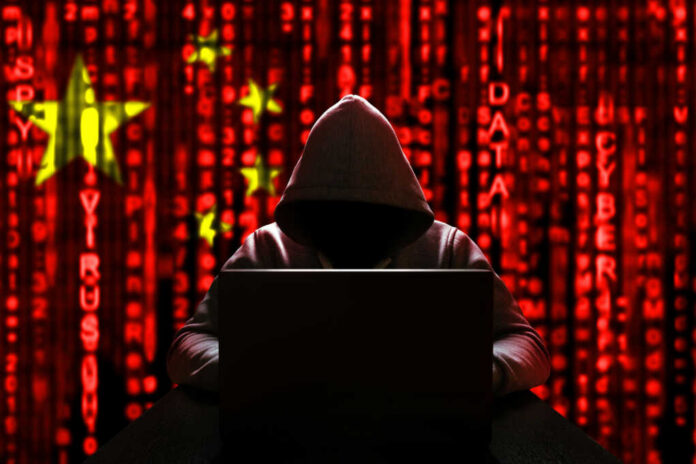
A top cybersecurity firm says China-linked hackers are racing to steal U.S. artificial intelligence secrets, and the gap may be closing faster than Washington admits.
Story Snapshot
- Security reporting says China-linked groups are intensifying theft of U.S. artificial intelligence know-how [1].
- Technology is now the most targeted sector, drawing state-backed and criminal attacks [2].
- Attribution points to China-linked actors in most state-sponsored tech intrusions, sparking industry alarms [1].
- Public evidence focuses on targeting and activity volume, not full proof of what was stolen [2].
CrowdStrike Flags Escalation Aimed at Artificial Intelligence Assets
CrowdStrike’s latest threat reporting, summarized in news coverage, says China-linked groups are increasing espionage against technology companies to take artificial intelligence tools and research they cannot build fast enough on their own [1]. Reported targets include software, models, and company networks that support training and deployment. The reporting aligns with a long trend of theft of intellectual property from high-value sectors. The claim centers on motive and pace: Beijing-linked operators want to narrow the artificial intelligence gap now, not later [1].
Coverage of the report says Chinese actors account for more than half of state-backed targeting against technology firms worldwide [1]. A separate industry outlet also cites that technology has become the top target overall, drawing both state and criminal interest due to the value of code, data, and research [2]. These figures suggest a sustained focus, not a one-off spike. They also match what many security teams see each week: constant probes for weak passwords, vendor access, and unpatched systems [2].
What We Know Versus What Remains Unproven
Public reporting in these cases often arrives before investigators can confirm exactly what was taken or how it will be used. Analysts can measure attempts, intrusions, and malware links with higher confidence than the final value of stolen data. That gap appears here as well. The strongest claims point to who targeted whom and how often. The weakest claims are about the scale of exfiltration and direct state command. Readers should weigh that split when judging the risk picture [2].
China has broadly denied state-backed theft in past cases, but the articles tied to this report do not include a specific, line-by-line rebuttal from a Chinese ministry. That absence does not prove the claims, but it leaves industry statements largely uncontested in public view. For citizens and investors, the takeaway is simple. The evidence for heavy targeting is strong. The evidence for exactly what left the building is still limited in open sources and may stay classified or unknown [1].
Why This Matters for Workers, Consumers, and National Security
When hackers steal artificial intelligence models, training data, or research roadmaps, they can skip years of work. That shortcut can move jobs, shrink market share, and tilt military and police tools abroad. American workers pay when breakthroughs leak, because rivals can undercut prices or flood markets faster. Consumers face fewer choices and less trust. The military edge can also slip if rivals adapt U.S. ideas for surveillance, cyber tools, or battlefield planning faster than expected [1].
CrowdStrike reports that China-linked hackers accounted for 58%+ of state-sponsored targeted intrusions against tech companies.
As AI assets grow, protecting cloud identities, models, APIs, and developer tools is now business-critical.#Cybersecurity #AI #CogentInfotech— Cogent Infotech (@cogentinfo) June 10, 2026
Both left and right see a common failure here. Many feel Washington talks tough about foreign theft but leaves small and mid-size firms on their own. Companies guard trade secrets, but basic defenses still fail across the supply chain. Clear rules, faster threat sharing, and help for smaller vendors could raise the floor. Simple steps like strong passwords, multi-factor logins, and patching still stop many attacks. Federal policy that measures results, not press releases, would help restore trust [2].
Sources:
[1] Web – Security Firm Says China Stepping Up AI Tech Cybertheft
[2] Web – Security firm says China stepping up AI tech cybertheft